🔑 Key Takeaways
- The Jakarta Composite Index (IHSG) closed in the red, dipping to 6,365, after an initial positive opening.
- This correction was driven by investor profit-taking following a recent rally, coupled with cautious global macroeconomic sentiment.
- Analysts advise investors to monitor domestic economic data and global geopolitical developments for potential rebound opportunities.
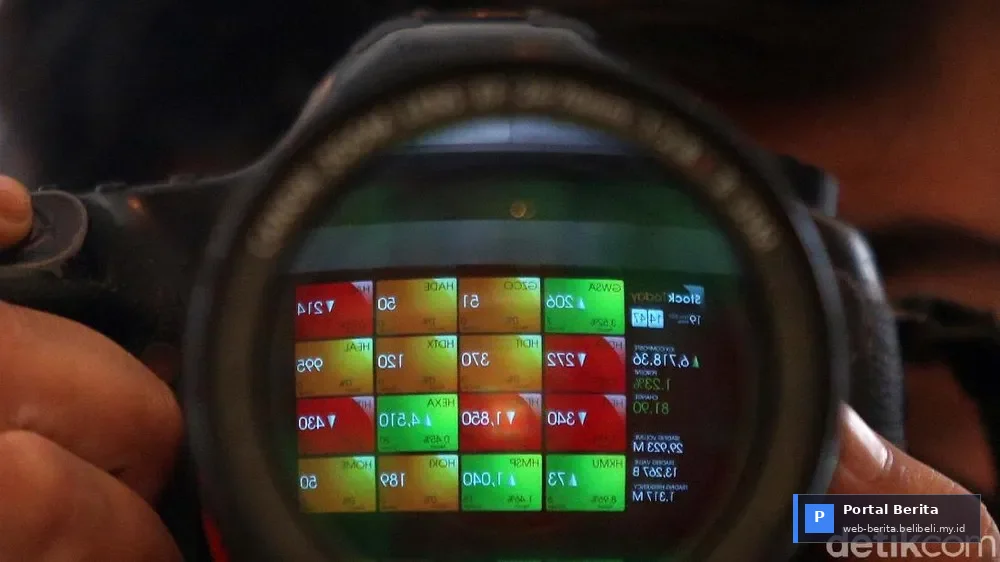
JAKARTA, 2026 – The Jakarta Composite Index (IHSG) concluded today's trading session in negative territory, slipping to 6,365. This weakening close occurred after an initial positive opening, indicating significant market volatility throughout the day.
The IHSG's reversal reflects investor caution amidst various domestic and global factors. Market analysts point to a combination of profit-taking after significant gains in previous sessions and an uncertain global macroeconomic sentiment.
Factors Triggering the Weakness
According to Budi Santoso, Senior Market Strategist at Investama Sekuritas, today's IHSG weakening was not entirely surprising. "This correction is natural after the market experienced a fairly solid rally over the past few days. Investors capitalized on the momentum to lock in profits. Furthermore, concerns regarding potential global economic slowdowns and speculation about interest rate hikes by central banks in developed nations also weighed on sentiment," Budi explained.
Sectors most affected by this decline include technology and consumer staples, which had previously recorded significant increases. On the other hand, some shares in major banking and energy sectors were relatively able to withstand the pressure, although not entirely immune to negative market sentiment.
Outlook and Investor Recommendations
Despite the IHSG's weaker close, the medium-term outlook for the Indonesian stock market is still considered quite solid. Indonesia's strong economic fundamentals, supported by stable GDP growth and controlled inflation, remain an attractive draw for investors.
"Investors are advised to remain prudent in making decisions. Focus on stocks with strong fundamentals and attractive valuations. Close monitoring of domestic economic data releases, such as inflation data and quarterly GDP growth, as well as global geopolitical developments, will be crucial in determining future investment direction," Budi added.
Market volatility is expected to continue characterizing trading in the near future, as anticipation builds for key economic data releases and policy decisions from global central banks. However, analysts remain optimistic that Indonesia will continue to be an attractive investment destination in the region.
❓ Frequently Asked Questions
- What was the main reason for today's IHSG decline?
The IHSG decline was primarily due to a combination of investor profit-taking after recent gains and cautious global macroeconomic sentiment. - Which sectors were most affected by this weakness?
The technology and consumer staples sectors were most impacted, while banking and energy sectors showed relatively more resilience. - What should investors do next?
Investors are advised to focus on stocks with strong fundamentals, monitor domestic economic data, and global geopolitical developments.