🔑 Key Takeaways
- The Indonesian Ministry of Health (Kemenkes RI) has firmly denied a new international Zika virus alert for Bali, affirming the situation is under control.
- Epidemiologists highlight a high risk of 'under-detection' for Zika cases, primarily because many infections are asymptomatic yet transmissible.
- Residents and tourists in Bali are urged to maintain personal preventive measures against mosquito bites, acknowledging the potential for silent spread.
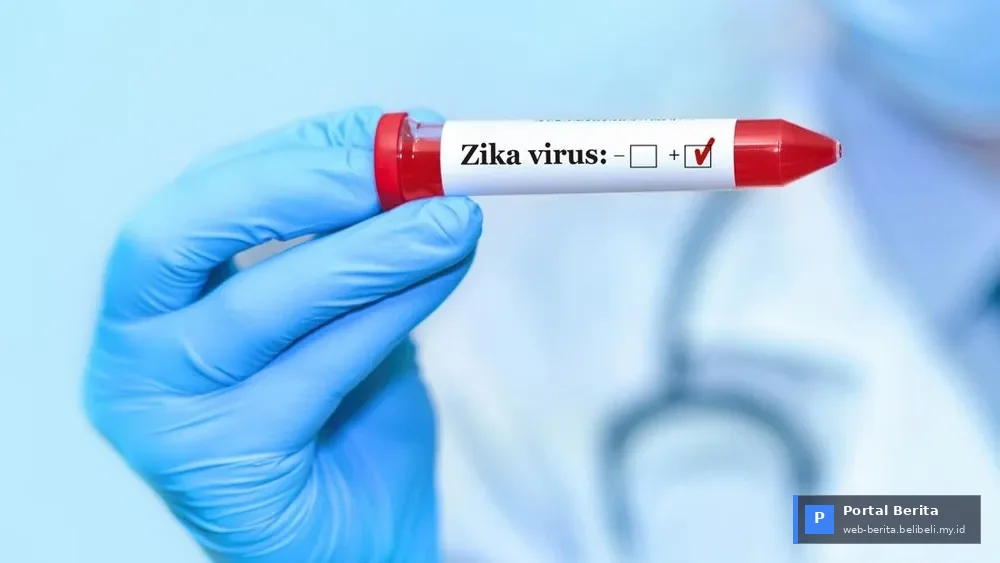
DENPASAR, BALI – A renewed wave of concern regarding the potential spread of the Zika virus in Bali has emerged in early 2026, following reports from several global health institutions emphasizing vigilance. However, the Indonesian Ministry of Health (Kemenkes RI) swiftly issued an official statement vehemently denying any specific warning about an increased Zika risk on the Island of the Gods at this time.
Dr. Budi Santoso, Director General of Disease Prevention and Control (P2P) at Kemenkes RI, affirmed in a virtual press conference held from Jakarta that Kemenkes RI's surveillance system continues to monitor the situation closely. “We have not found any significant surge in Zika cases in Bali or other regions of Indonesia that would warrant a special alert. Our data indicates that the situation remains controlled, and we have effectively implemented standard health protocols,” stated Dr. Budi.
Risk of 'Under-Detection' and Asymptomatic Transmission
Despite Kemenkes RI's reassurance, epidemiologists voice a more cautious perspective. Professor Retno Wulandari, an epidemiologist from Gadjah Mada University specializing in tropical infectious diseases, emphasized that an official denial does not necessarily eliminate the inherent risks of the Zika virus.
“Zika is a cunning virus. Approximately 80% of infections can be asymptomatic, meaning infected individuals show no symptoms at all but can still transmit the virus through the bite of the Aedes aegypti mosquito or even sexually,” explained Prof. Retno. “This creates a high risk of 'under-detection,' where community cases may go unreported or undiagnosed, blurring the true epidemiological picture.”
Prof. Retno added that the dynamics of international tourism in Bali also represent a significant factor. Tourists arriving from or traveling to Zika-endemic areas can become potential vectors, either bringing the virus in or carrying it out. Therefore, personal preventive measures are key.
Symptoms to Watch For and Prevention Steps
Given the potential for asymptomatic infections, it is crucial for both residents and tourists to remain aware of common Zika symptoms, even if they are rarely severe. These symptoms include:
- Mild fever
- Skin rash
- Joint and muscle pain
- Conjunctivitis (red eyes)
- Headache
These symptoms typically appear 3 to 14 days after an infected mosquito bite and last for several days to a week. However, the primary danger of Zika lies in its risk to pregnant women, which can lead to microcephaly and other severe birth defects in babies.
Kemenkes RI and health experts continue to advocate basic preventive measures to reduce the risk of transmission:
- Use mosquito nets when sleeping, especially in areas without air conditioning.
- Regularly apply mosquito repellent.
- Wear long-sleeved shirts and long pants, particularly when outdoors during early morning and late afternoon.
- Ensure water collection points around homes or accommodations are regularly cleaned to prevent mosquito breeding (the 3M Plus program: Draining, Covering, Recycling, plus additional measures like applying larvicides).
- For pregnant women or those planning pregnancy, it is advisable to consult a doctor regarding travel to at-risk areas and take extra precautions.
With proper awareness and preventive actions, the risk of Zika spread can be minimized, ensuring Bali remains a safe and healthy destination for all.
❓ Frequently Asked Questions
Q: Is there a vaccine for the Zika virus?
A: As of 2026, there is no widely approved vaccine to prevent Zika virus infection. Research and development efforts for a vaccine are ongoing.
Q: How long does the Zika virus stay in the human body?
A: The Zika virus typically remains in the blood for a few days to a week. However, the virus can persist longer in other bodily fluids like semen, for several months, allowing for sexual transmission.
Q: What should I do if I experience Zika symptoms after returning from Bali?
A: Consult a doctor immediately and inform them of your travel history. The doctor will conduct examinations and possibly tests to confirm the diagnosis and provide appropriate treatment.