🔑 Key Takeaways
- Chicken meat, eggs, and rice prices in Indonesia have significantly surged in 2026, sparking food inflation concerns and increasing household burdens.
- This rise is attributed to a combination of factors, including high global feed costs, local supply chain disruptions, and increased consumer demand.
- Despite the surge in key staples, chili prices have experienced a surprising decline, thanks to abundant harvests and efficient distribution in some regions.
JAKARTA – The Indonesian economy in 2026 is facing significant challenges with a notable surge in prices for several staple food commodities. Recent data indicates that chicken meat, eggs, and rice are the primary contributors to national food inflation, putting additional pressure on household budgets and businesses. This phenomenon unfolds amidst complex global and domestic market dynamics, raising questions about food price stability for the remainder of the year.
The Surge: Chicken Meat, Eggs, and Rice
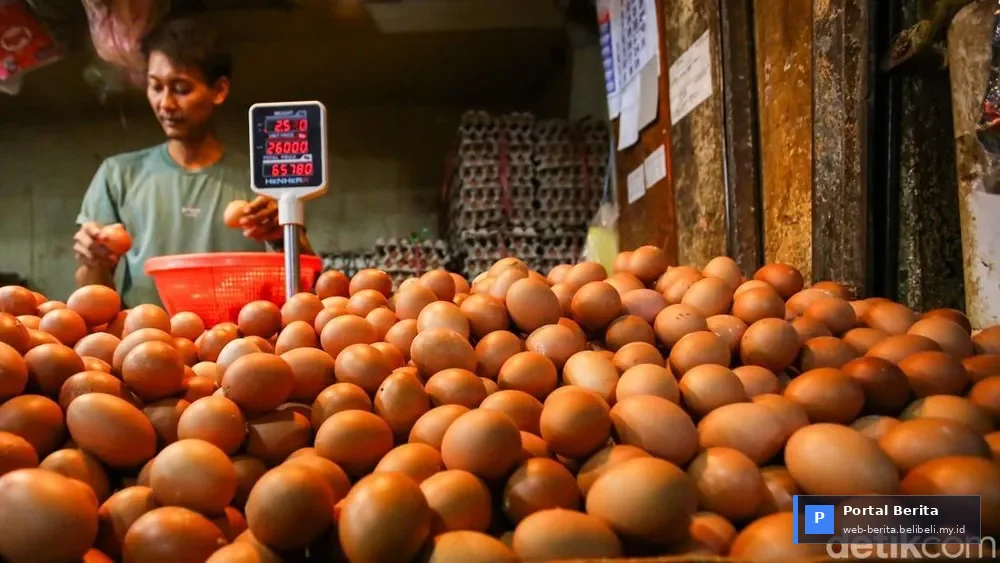
The 2026 price hike for chicken meat and eggs is intrinsically linked to several fundamental factors. According to Senior Agricultural Analyst, Dr. Budi Santoso, from the National Food Studies Center, “Globally rising livestock feed costs, driven by commodity price fluctuations and geopolitics, are the main culprit. Feed accounts for nearly 70% of livestock production costs, so this increase directly impacts farmers and is ultimately passed on to consumers.” Furthermore, disruptions in local supply chains, such as transportation and logistics hurdles during the early year's rainy season, have exacerbated the situation.
Not only poultry products, but rice prices also show a significant upward trend. Although domestic production is projected to be stable, continuously increasing demand due to population growth and changing consumer consumption patterns puts pressure on availability. Some experts also highlight the impact of extreme climate conditions which, while not causing major crop failures, have slightly disrupted planting and harvesting schedules in several major rice-producing areas.
Chili Anomaly: A Surprising Price Decline
Amidst the widespread price increases for other commodities, chili peppers present an anomaly. Chili prices have been observed to decline across various markets. “This is good news amidst inflationary pressures,” stated the Director-General of Horticulture at the Ministry of Agriculture, Ir. Ratna Wijaya. “Government strategies to encourage simultaneous planting and optimize distribution channels in central production regions, especially in Java and Sumatra, have yielded results. Abundant supply, coupled with relatively stable demand, has pushed down retail prices for consumers.” This decline offers a slight relief to consumers grappling with surging prices for other essential goods.
Economic Implications and Government Measures
Rising food prices have serious implications for household purchasing power, especially for low-income groups. Senior Economist at Bank Indonesia, Prof. Dr. Arif Rahman, commented, “Persistent food inflation can erode purchasing power, slow economic growth, and even potentially increase poverty rates if not addressed seriously. Price stabilization policies and supply assurance must be the government's top priority in 2026.”
In response to this situation, the government, through the Ministry of Trade and the Ministry of Agriculture, has launched various intervention programs. These include large-scale market operations, providing feed subsidies for livestock farmers, optimizing the national food logistics system through digitalization, and strict oversight of hoarding practices. Partnership programs with farmers to enhance productivity and maintain supply stability are also being intensified, with the hope of curbing the pace of food inflation in the second half of 2026.
Frequently Asked Questions About 2026 Food Prices
Q: Why are chicken and egg prices so high in 2026?
A: The increase is driven by high global livestock feed costs, which account for about 70% of production costs, and local supply chain disruptions.
Q: What is causing the decrease in chili prices?
A: Chili prices are declining due to abundant harvests in central production areas and efficient government distribution strategies, ensuring supply comfortably meets demand.
Q: What steps is the government taking to stabilize food prices?
A: The government is conducting market operations, providing feed subsidies, optimizing food logistics through digitalization, monitoring hoarding, and implementing farmer partnership programs.