🔑 Key Takeaways
- Bird's eye chili prices have soared to an average of IDR 70,000 per kilogram in early 2026, marking a significant increase that burdens consumer purchasing power.
- The price hikes extend beyond chilies to other staple food commodities such as rice, beef, and chicken, contributing to broad inflationary pressures.
- Extreme climate patterns affecting production, global supply chain disruptions, and rising energy costs are identified as key drivers, prompting government action to strengthen stabilization strategies.
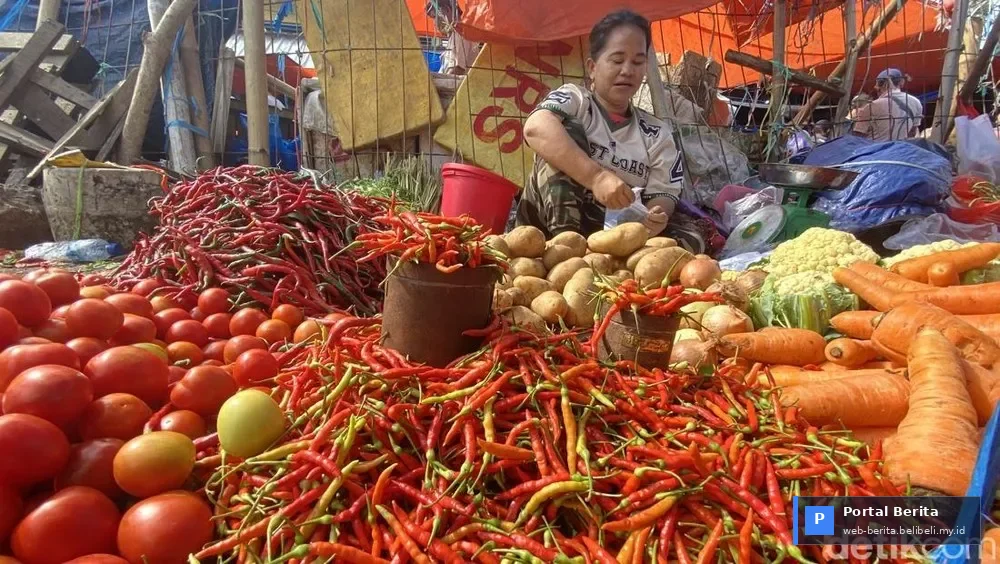
JAKARTA, January 22, 2026 – The beginning of 2026 is marked by renewed concerns in Indonesia's food sector. Bird's eye chili, an essential spice in Nusantara cuisine, has surged to an average of IDR 70,000 per kilogram across various traditional and modern markets. This spike is not merely a seasonal fluctuation but part of a broader food inflation trend that has also impacted the prices of rice, beef, and chicken.
This situation places significant pressure on households nationwide, especially low and middle-income families, as well as micro, small, and medium-sized enterprises (MSMEs) heavily reliant on food ingredients.
Widespread Price Hikes Across Commodities
Recent data from the National Food Agency (Bapanas) indicates that the price of medium rice, the main staple food, has seen a gradual increase since late last year, now settling around IDR 13,500–IDR 14,000 per kilogram in many regions. Meanwhile, beef and broiler chicken have not been spared, with beef averaging over IDR 130,000 per kilogram and chicken exceeding IDR 38,000 per kilogram. The bird's eye chili price surge, peaking at IDR 70,000 per kilogram, stands out as the most prominent indicator of the inflation challenge.
'These price increases are multifactorial,' stated Dr. Indah Sari, a senior economist from Gadjah Mada University. 'We are observing the cascading effects of extreme climate conditions impacting harvests in key production centers, coupled with logistics and distribution disruptions that have not fully recovered post-pandemic, and rising global energy costs pushing up production and transportation expenses.' She emphasized that without appropriate intervention, public purchasing power risks further erosion.
Unpacking the Causes of Surging Food Costs
Further analysis points to several key drivers behind the wave of food price increases in 2026:
- Climate Change and Extreme Weather: Unpredictable weather patterns, such as prolonged rainy seasons or extreme droughts in major producing regions, have led to reduced yields for chilies, rice, and animal feed. This directly impacts market supply.
- Production and Logistics Costs: Persistently high prices for fertilizers and seeds, combined with rising global fuel prices, have increased production costs for farmers. Additionally, lengthy and often inefficient supply chains continue to hinder distribution from producers to consumers.
- Supply-Demand Imbalance: Population growth and increased demand following economic recovery contribute to an imbalance if supply cannot keep pace.
Socio-Economic Ripple Effects
The impact of these rising food prices is deeply felt across various segments of society. For households, it means a larger portion of their budget is allocated to food, reducing their ability to meet other needs like education or healthcare. For culinary MSMEs, increased raw material costs can lead to difficult choices between raising selling prices, risking customer loss, or shrinking profit margins to critical levels.
'Our profit margins have drastically thinned,' lamented Mrs. Siti, owner of a Padang restaurant in South Jakarta. 'Chilies, rice, meat; everything has gone up. We have to think hard about how to survive without burdening our customers too much.'
Government Interventions and Future Outlook
The government, through the Ministry of Trade and the National Food Agency, affirms its continuous monitoring of price movements and implementation of various stabilization efforts. Regular market operations are intensified to distribute affordable food commodities directly to the public. Additionally, the government is evaluating import policies for specific commodities to balance domestic supply deficits and is working to strengthen national food reserves.
Mr. Hadi Pranoto, Director General of Domestic Trade, asserted, 'We are fully committed to maintaining food price stability. Cross-sectoral coordination with the Ministry of Agriculture, Ministry of Transportation, and private sector partners is continuously strengthened to ensure secure supply, smooth distribution, and fair prices for both consumers and producers.'
Despite significant food inflation challenges in early 2026, the government hopes that with integrated strategic measures, the situation can be brought under control in the coming months, while also fostering long-term food self-sufficiency.
Frequently Asked Questions
1. Why are bird's eye chili prices so volatile in Indonesia?
Bird's eye chili prices are highly susceptible to extreme weather conditions (e.g., floods or droughts), pest infestations, and disruptions in the long supply chain, all of which can rapidly affect availability and market prices.
2. What can consumers do to cope with rising food prices?
Consumers can look for cheaper food alternatives, buy in bulk when prices are stable (if feasible), grow some kitchen spices themselves, or plan more budget-friendly meal menus.
3. How is the government planning to prevent future food inflation?
The government aims to prevent future food inflation through increasing domestic production, diversifying food sources, developing logistics infrastructure, strengthening national food reserves, and implementing price stabilization policies and subsidies for farmers.