🔑 Key Takeaways
- Indonesia's HBA for early August 2026 is set at US$124.44/ton, a slight adjustment reflecting global market dynamics.
- The price balances persistent demand from developing economies with growing pressure from renewable energy adoption in key markets.
- Industry experts predict continued volatility, with future prices influenced by geopolitical stability and climate policy developments.
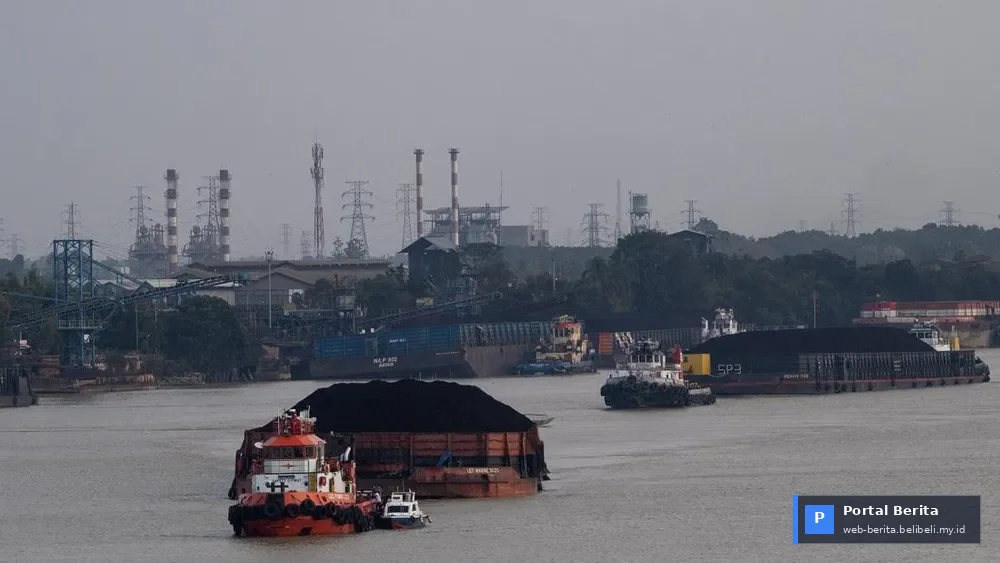
JAKARTA – The Ministry of Energy and Mineral Resources (ESDM) has officially announced the Benchmark Coal Price (HBA) for the first period of August 2026, setting it at US$124.44 per ton. This figure, a crucial indicator for Indonesia's coal industry, reflects a nuanced global energy market where traditional fossil fuel demand continues to coexist with an accelerating shift towards cleaner alternatives.
The HBA serves as a reference for pricing coal sales in Indonesia, a leading global exporter, and significantly impacts the revenue streams for both mining companies and the national treasury. The latest adjustment comes as nations grapple with energy security concerns alongside their commitments to decarbonization.
Understanding the Global Market Dynamics
The US$124.44/ton benchmark for August 2026 underscores a complex equilibrium. While developed nations continue to scale up renewable energy infrastructure and reduce coal dependency, strong demand persists from emerging economies, particularly in Southeast Asia and South Asia, where industrialization and growing populations drive substantial energy consumption. Geopolitical stability, or lack thereof, also plays a critical role, influencing supply chains and energy commodity prices.
“We’re seeing a market that’s constantly recalibrating,” explains Mr. Surya Adiwijaya, a Senior Energy Analyst at Nusantara Global Insights. “On one hand, there’s robust demand for thermal coal to power industries and meet baseload electricity needs in regions still heavily reliant on it. On the other hand, the long-term outlook for coal remains pressured by aggressive decarbonization targets and the increasing cost-effectiveness of solar and wind power. The current HBA reflects this intricate balance, offering stability for producers while acknowledging market headwinds.”
Implications for Indonesia’s Economy
For Indonesia, the HBA is more than just a number; it is a key determinant of national income through royalties and taxes. A stable, yet realistic, HBA helps the government plan its budget and allocate resources. It also provides a predictable environment for coal miners, allowing them to manage production costs, investment decisions, and export strategies.
ESDM’s regular HBA adjustments aim to ensure fairness and transparency in coal transactions, preventing significant price discrepancies between domestic and international markets. This mechanism is vital for maintaining the competitiveness of Indonesian coal on the global stage while safeguarding national energy interests.
Future Outlook and Energy Transition
Looking ahead, experts anticipate continued volatility in the global coal market. While the immediate future for 2026 suggests sustained demand, the trajectory beyond that remains firmly tied to the pace of the global energy transition. Indonesia itself is actively pursuing renewable energy development, aiming to diversify its energy mix and reduce reliance on fossil fuels in the long run.
“The US$124.44 is a snapshot of current market conditions, not necessarily a long-term trend,” notes Dr. Lena Permata, an energy economist from the University of Indonesia. “Coal will likely remain a significant energy source for the next decade in many parts of the world, but its share in the global energy mix will undeniably shrink. Indonesian producers must continue to focus on efficiency and sustainability, while the nation as a whole accelerates its transition towards cleaner energy sources.”
The Ministry of ESDM continues to monitor international coal indices, economic growth forecasts, and the evolving geopolitical landscape to ensure the HBA accurately reflects prevailing market realities for subsequent periods.
Frequently Asked Questions
- What is the Benchmark Coal Price (HBA)? The HBA is a reference price set by the Indonesian government for coal sales, used to calculate royalties and taxes and ensure fair market transactions.
- Who sets the HBA and how often? The Ministry of Energy and Mineral Resources (ESDM) sets the HBA monthly, typically for two periods within each month.
- How does the HBA impact Indonesia? The HBA directly influences Indonesia's national revenue from coal exports, affects the profitability of coal mining companies, and guides domestic coal pricing for power generation.