🔑 Key Takeaways
- A powerful Magnitude 7.7 earthquake struck East Nusa Tenggara (NTT) in 2026, causing extensive damage to vital health infrastructure across the region.
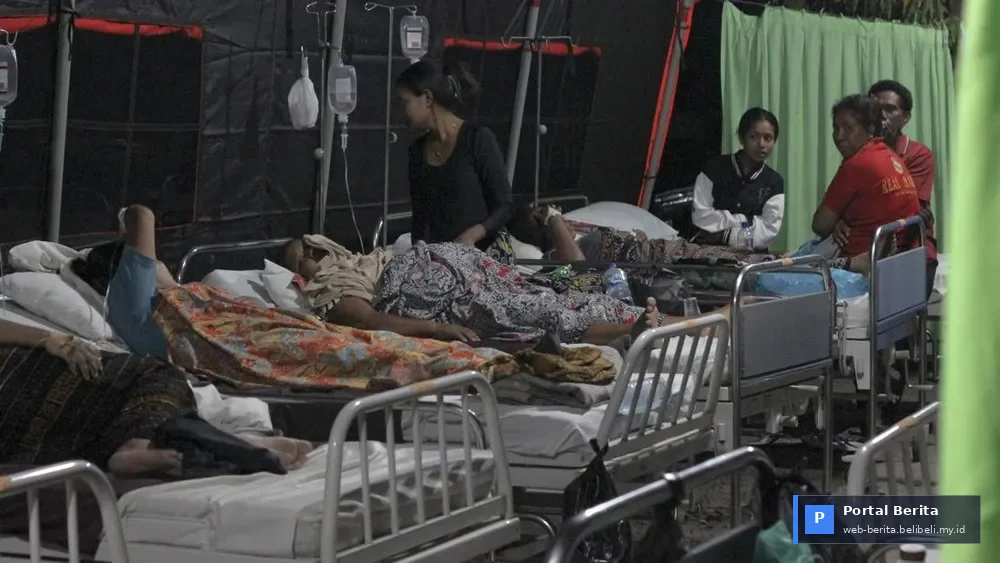
- Two fully equipped, modern field hospitals have been rapidly deployed and are now operational, serving as the primary medical hubs for affected communities.
- Government and aid agencies are coordinating swift responses to maintain critical healthcare access amid ongoing comprehensive disaster recovery efforts.
Kupang, NTT – A devastating Magnitude (M) 7.7 earthquake that rocked East Nusa Tenggara (NTT) in early 2026 has caused significant destruction, particularly to the region's healthcare facilities. Initial reports indicate that dozens of medical centers, ranging from regional hospitals to community health centers (puskesmas) in severely affected areas, have sustained critical structural damage, effectively crippling their ability to provide essential services to the public.
According to the NTT Regional Disaster Management Agency (BPBD), the earthquake's impact was felt across several regencies, with the epicenter located offshore. “Damage to health infrastructure is one of the most significant consequences. Several hospitals experienced severe cracks and even partial collapses, forcing patient evacuations and the suspension of services,” stated Mr. Adrianus Kolo, Head of NTT BPBD, during an emergency press conference.
Rapid Response and Field Hospital Operations
In a swift response to the crisis, the Indonesian Ministry of Health, in collaboration with the Indonesian National Armed Forces (TNI) and the National Disaster Management Agency (BNPB), immediately deployed and operationalized two modern field hospitals. These field hospitals are designed to provide comprehensive medical services, from trauma care and emergency surgery to temporary inpatient care and basic diagnostics.
“Our immediate priority is to stabilize the situation and ensure continuous care. The swift deployment of these fully-equipped field hospitals demonstrates the effectiveness of our refined disaster preparedness protocols and multi-agency coordination,” stated Dr. Aisha Rahman, Head of Emergency Response at the Ministry of Health. She added that these field hospitals are equipped with the latest medical technology and trained personnel, ready to serve thousands of patients in need.
Logistical Challenges and Long-Term Needs
Despite the rapid response, logistical challenges on the ground remain immense. Access to some remote areas is hampered by damaged roads and bridges, complicating the delivery of medical aid and supplies. Furthermore, the need for psychological support for both victims and medical personnel is also a serious concern.
“The road to recovery will be long, but our commitment to the people of NTT is unwavering. We are not just rebuilding; we are building stronger, more resilient healthcare systems for future generations,” affirmed Ms. Sri Mulyani, Minister of Health, during a visit to one of the affected sites. She emphasized the importance of constructing earthquake-resistant health infrastructure in the future.
The public is urged to remain calm, follow instructions from authorities, and utilize the emergency health facilities provided. Collective efforts from the central government, local authorities, non-governmental organizations, and volunteers are expected to accelerate the recovery process and ensure NTT emerges stronger from this disaster.
FAQ
Q: What was the magnitude of the earthquake that struck NTT?
A: The earthquake that hit East Nusa Tenggara (NTT) registered a magnitude of 7.7.
Q: How many field hospitals are operating in NTT following the earthquake?
A: Two modern field hospitals have been established and are fully operational to provide emergency medical services in NTT.
Q: What are the main challenges facing NTT's healthcare system after the quake?
A: Key challenges include widespread damage to health facility infrastructure, logistical hurdles in delivering aid, and the urgent need for long-term mental health support for affected communities.