🔑 Key Takeaways
- A powerful Magnitude 6.2 earthquake struck Labuan Bajo, NTT, triggering a swift evacuation of patients from Siloam Hospital.
- The hospital's updated emergency preparedness protocols for 2026 proved highly effective in ensuring the safety of all patients and staff.
- The incident highlights the critical importance of continuous investment in earthquake-resilient infrastructure and regular simulation drills for healthcare facilities in vulnerable regions.
LABUAN BAJO, NTT – A Magnitude 6.2 earthquake rocked Labuan Bajo, East Nusa Tenggara, this morning. The strong tremors prompted an immediate emergency response, including the systematic evacuation of patients from Siloam Hospital Labuan Bajo to safer open areas. This incident, occurring in 2026, once again tested the preparedness of healthcare facilities in a region notoriously known as part of the Pacific's Ring of Fire.
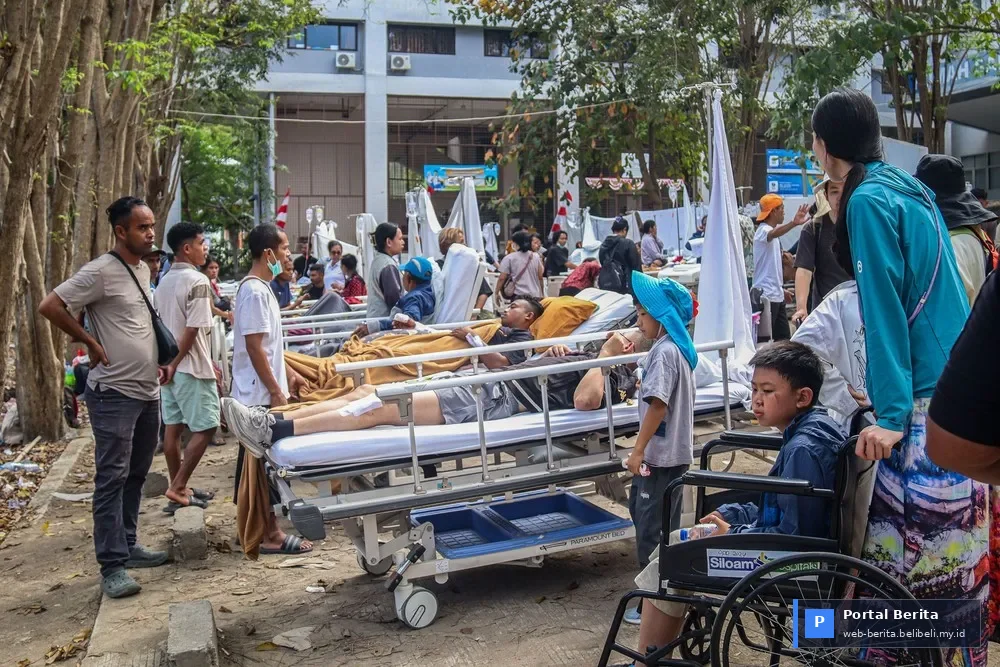
The significantly felt tremors led Siloam Hospital staff to promptly activate their emergency evacuation protocols. In a controlled yet rapid manner, dozens of patients, including those in critical condition requiring medical equipment, were successfully moved by medical teams and nurses to the hospital grounds. This preemptive measure was taken to ensure maximum safety and minimize risks from potential structural collapse or damage following the quake.
Preparedness in 2026: Lessons from Disaster
Indonesia, with its strategic position on an active seismic belt, has consistently ramped up disaster mitigation efforts. By 2026, critical facilities like hospitals are expected to adhere to stringent earthquake-resistant standards and clear contingency plans. “This M6.2 event, with its relatively shallow depth, served as a potent reminder of our geological reality,” stated Dr. Anjani Putri, a senior seismologist from the Agency for Meteorology, Climatology, and Geophysics (BMKG).
“Our enhanced seismic monitoring systems in 2026 allowed for rapid initial assessments, crucial for informing immediate response efforts. Initial data indicates widespread tremors but no reports of major damage, suggesting improved building resilience in the Labuan Bajo area.”
Organized Evacuation in Critical Moments
The evacuation process at Siloam Hospital Labuan Bajo proceeded smoothly, thanks to regular training and staff vigilance. Swiftly, medical teams moved patients using stretchers, wheelchairs, and even manual assistance for those unable to move independently. Essential medical equipment such as ventilators and oxygen tanks were also relocated to ensure vital services remained uninterrupted.
Mr. Rio Santoso, Director of Siloam Hospital Labuan Bajo, expressed his appreciation. “The success of this evacuation is a direct result of our continuous investment in comprehensive disaster preparedness training and infrastructure upgrades over the past years. Every staff member, from medical personnel to administrative support, knew their role. This 2026, our commitment to patient safety remains paramount,” explained Mr. Santoso, adding that all patients were safe and there were no reported injuries from the evacuation.
Building Community Resilience Together
This earthquake incident once again underscores the importance of collaboration between local government, healthcare facilities, and the community. The local Regional Disaster Management Agency (BPBD) immediately activated its emergency command center to monitor the situation across Labuan Bajo and its surroundings, disseminating accurate information to the public.
“Our partnership with critical facilities like hospitals ensures a coordinated regional response,” said the Head of Manggarai Barat BPBD. “The public’s adherence to ‘drop, cover, and hold on’ principles, reinforced through our 2026 awareness campaigns, is equally vital. We are seeing more buildings designed with better earthquake-resilient standards, which is a positive progression.”
While the threat of earthquakes will always be present in this region, the swift and coordinated response in Labuan Bajo demonstrates that with mature preparedness and adequate infrastructure, the impact of natural disasters can be minimized. Siloam Hospital Labuan Bajo once again sets an example of commitment to patient safety, even amidst unforeseen natural challenges.
❓ Frequently Asked Questions
- What are the immediate steps taken by a hospital after an earthquake?
Hospitals immediately activate emergency evacuation protocols, moving patients to safe open areas to mitigate risks from potential structural damage. - How did Siloam Hospital Labuan Bajo ensure patient safety during the evacuation?
Patient safety was ensured through regular staff training, the use of standard equipment for patient transport, and the relocation of essential medical equipment to maintain vital services. - What should Labuan Bajo residents do during an earthquake?
Residents are advised to practice ‘drop, cover, and hold on’ under a sturdy table or other safe areas, stay away from windows and heavy objects that might fall, and follow instructions from local authorities.