🔑 Key Takeaways
- South Korea faces another extreme heatwave in 2026, tragically claiming the life of a 101-year-old in Gangwon, highlighting the severe vulnerability of at-risk populations.
- The South Korean government and health authorities urge the public, especially families with elderly members, to take proactive preventative measures amidst the increasing frequency and intensity of extreme weather.
- Climate and public health experts emphasize the critical need for long-term adaptation, including more heat-resilient urban infrastructure and effective early warning systems, to protect citizens from the escalating climate crisis.
SEOUL – South Korea is once again grappling with an extreme heatwave in mid-2026, with temperatures soaring to alarming levels across various regions. Tragically, these deadly weather conditions have claimed the first life in Gangwon Province, underscoring the serious vulnerability of the elderly population amidst an intensifying climate crisis.
A 101-year-old woman, whose identity has not been released at the family's request, was pronounced dead after suffering severe heatstroke. The tragic incident occurred at her home in a rural area of Gangwon, a region known for its natural beauty but now also experiencing the direct impacts of global climate change.
The Real Threat of 2026 Heatwaves
Annual heatwaves have become an increasingly tangible threat to South Korea. Data from the Korea Meteorological Administration indicates that the average summer temperature in 2026 has increased by 1.5 degrees Celsius compared to the previous decade, with heatwave periods lasting longer and at higher intensities. "We are witnessing a pattern of extreme weather that is continuously recurring and even worsening," stated Dr. Lee So-yeon, a senior climatologist at Seoul National University. "The elderly and those with chronic health conditions are the most at risk, and we must drastically enhance our protection efforts."
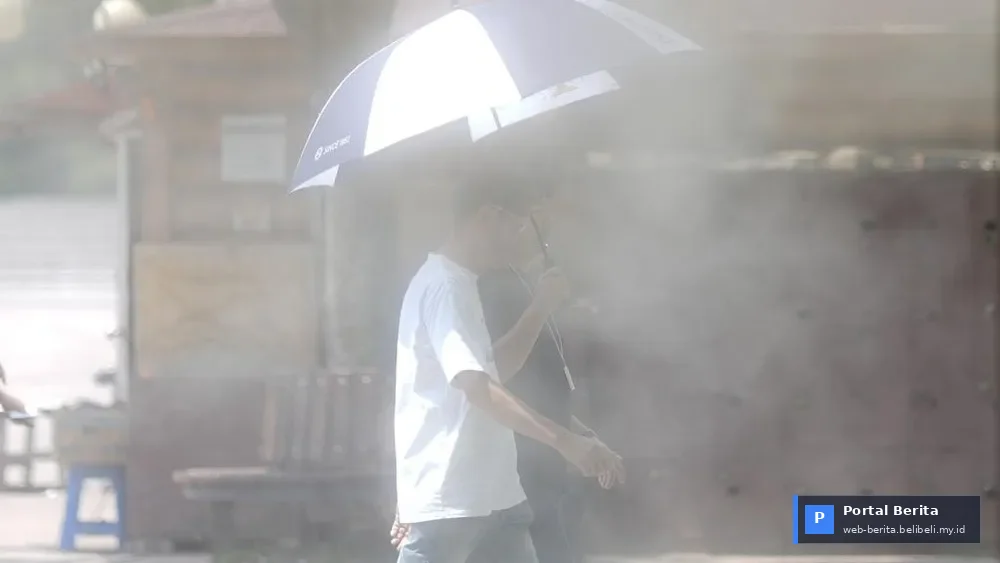
The South Korean government has issued high-level heatwave warnings across most of the country, urging citizens to limit outdoor activities, stay hydrated, and seek cool shelter. Public facilities such as community centers and libraries have been opened as emergency 'heat shelters,' providing air conditioning and free drinking water.
Elderly Vulnerability and Prevention Strategies
The death of the elderly individual in Gangwon serves as a poignant reminder of how vulnerable older populations are to extreme temperatures. With South Korea's aging population growing, the challenge of protecting them from the effects of climate change becomes even more pressing. "The bodies of elderly individuals have less efficient temperature regulation mechanisms, making them more prone to dehydration and heatstroke," explained Professor Kim Ji-hoon, a leading geriatrician from Yonsei University Hospital. "It's crucial for families and neighbors to regularly check on elderly individuals, ensuring they have access to sufficient drinking water and a cool environment."
Public health authorities recommend several critical preventative measures: avoiding direct sun exposure between 10 AM and 4 PM, wearing loose-fitting, light-colored clothing, taking cool baths if possible, and limiting the consumption of caffeinated or alcoholic beverages that can accelerate dehydration. The public is also urged to seek immediate medical attention if experiencing symptoms such as dizziness, nausea, severe headache, or hot, dry skin.
Looking Ahead: Adaptation and Climate Resilience
This tragic incident has reignited debates about South Korea's long-term adaptation strategies to climate change. Several initiatives have been proposed, including the development of 'sponge cities' that can better absorb heat and water, the expansion of urban green spaces, and more sophisticated early warning systems capable of sending direct notifications to citizens' phones, especially in rural areas that may have limited access to information.
"This is not just a temporary weather issue; it's a new reality we must confront every year," Dr. Lee So-yeon remarked. "Investment in climate-resilient infrastructure and comprehensive public education programs are key to protecting lives in the future." Society and government now face the collective task of building better resilience against inevitable heatwaves, ensuring no more lives are tragically lost due to preventable conditions.
FAQ: Frequently Asked Questions About Heatwaves
1. Why are the elderly more vulnerable to heatwaves?
Elderly individuals often have less efficient body temperature regulation mechanisms, may not feel thirst as readily, and might be taking certain medications that affect their body's response to heat, making them more susceptible to dehydration and heatstroke.
2. What are the warning signs of heatstroke?
Symptoms of heatstroke include a high body temperature (above 40°C or 104°F), red, hot, and dry skin (or clammy if still sweating), a rapid pulse, throbbing headache, dizziness, nausea, confusion, and even loss of consciousness. Seek immediate medical attention if these symptoms appear.
3. How is the South Korean government addressing the 2026 heatwave?
The government has issued high-level heatwave warnings, opened 'heat shelters' in public facilities, campaigned for preventative measures, and encouraged monitoring of vulnerable populations. Discussions also continue regarding long-term climate adaptation strategies.