🔑 Key Takeaways
- Garuda Indonesia confirms ongoing discussions regarding a state-owned airline holding company with Pelita Air.
- The initiative aims to create significant synergies, optimize resources, and boost efficiency across state-owned carriers.
- Set against a backdrop of post-pandemic recovery in 2026, this strategic consolidation seeks to enhance Indonesia's aviation competitiveness.
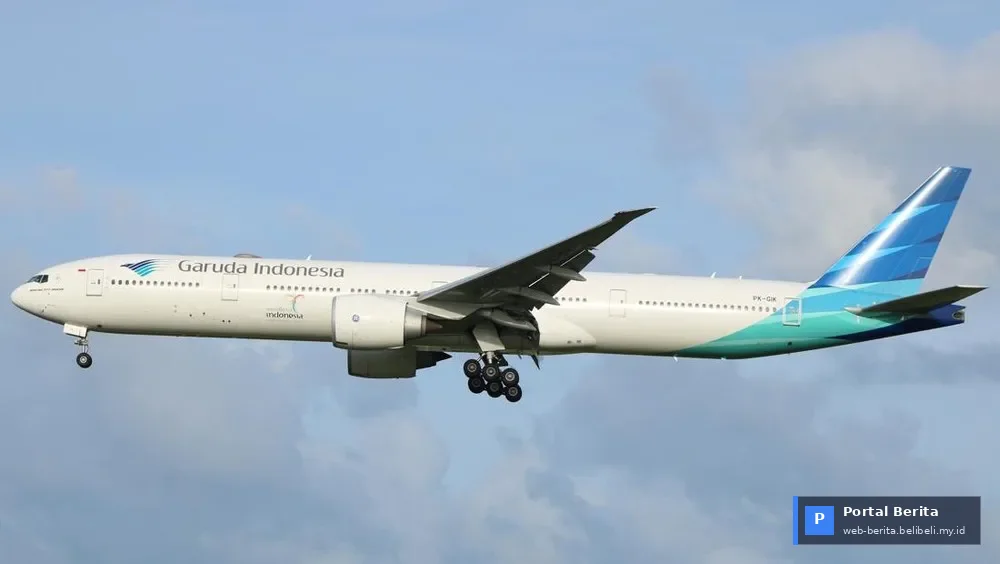
Jakarta, March 12, 2026 – The landscape of Indonesian aviation is poised for a significant transformation as PT Garuda Indonesia (Persero) Tbk, the nation’s flag carrier, has once again addressed the strategic discussions surrounding the formation of a state-owned airline holding company. These pivotal talks, which actively involve Pelita Air Service, are aimed at creating a more robust and integrated national aviation ecosystem by 2026 and beyond.
Vision for National Aviation Consolidation
The proposed consolidation comes at a critical juncture for the industry. Following a strong rebound in passenger traffic throughout 2025 and into early 2026, the Indonesian government is keen to capitalize on this momentum by optimizing state-owned enterprises (SOEs). The vision is clear: to enhance operational efficiency, streamline resource allocation, and ultimately strengthen Indonesia's position as a regional aviation hub.
Garuda's Role and Pelita Air's Growth
Garuda Indonesia's management has affirmed its proactive involvement in the ongoing dialogue. While specific details of the structure are still under wraps, the airline indicated that the core objective is to leverage the unique strengths of both Garuda and Pelita Air. This includes synergizing route networks, optimizing fleet utilization, and consolidating maintenance, repair, and overhaul (MRO) capabilities.
Pelita Air, which has successfully expanded its scheduled commercial services in recent years, brings a dynamic growth trajectory and a strong focus on domestic routes. Its integration into a larger holding structure could unlock new opportunities for market penetration and offer diversified service options to passengers, especially in underserved regions.
Analyst's Perspective: Efficiency and Competitiveness
According to Dr. Adhi Suryo, an aviation analyst from the University of Indonesia, “The formation of an airline holding company in 2026 is a pragmatic move to ensure the long-term sustainability and competitiveness of our national carriers. By centralizing strategic planning and resource management, the new entity can better withstand market volatilities and drive innovation. We could see significant cost efficiencies and improved service standards across the board.” He added, “The key will be effective integration without stifling the unique market propositions of each brand.”
Challenges and Bright Prospects
While the strategic benefits are substantial, the path to consolidation is not without its challenges. These include navigating complex regulatory frameworks, harmonizing diverse corporate cultures, and ensuring seamless integration of human resources and IT systems. However, the government's strong commitment, coupled with the airlines' resolve, suggests a positive trajectory for this ambitious undertaking. The expectation is that this new structure will not only fortify the financial health of the state-owned airlines but also provide better value and connectivity for Indonesian travelers.
As discussions progress throughout 2026, all eyes will be on how this strategic alignment reshapes Indonesia's aviation landscape, promising a more integrated, efficient, and competitive future for air travel in the archipelago.
FAQ: State Airline Holding Company
Q: What is the primary goal of forming a state-owned airline holding company in 2026?
A: The main goal is to enhance operational efficiency, optimize resources, and strengthen the competitiveness of Indonesia's national carriers, such as Garuda Indonesia and Pelita Air, in the regional and global aviation markets.
Q: How will Pelita Air benefit from this consolidation?
A: Pelita Air stands to benefit from synergized route networks, optimized fleet utilization, and shared MRO capabilities, allowing it to expand market penetration and offer more diversified services, particularly in domestic routes.
Q: What are the main challenges in establishing this holding company?
A: Key challenges include navigating complex regulatory frameworks, harmonizing diverse corporate cultures, and ensuring seamless integration of human resources and IT systems across the participating airlines.