🔑 Key Takeaways
- Indonesian Health Minister Budi Gunadi Sadikin has officially entered the shortlist of candidates for WHO Director-General in 2027, marking a crucial moment for Asian representation in global health leadership.
- BGS brings a strong track record in pandemic management, health system transformation, and managerial expertise, making him a serious contender amidst fierce competition from European and Middle Eastern candidates.
- His nomination is strongly supported by Asian nations, who see an opportunity to steer the global health agenda towards equity and preparedness for future challenges like climate impacts and potential pandemics.
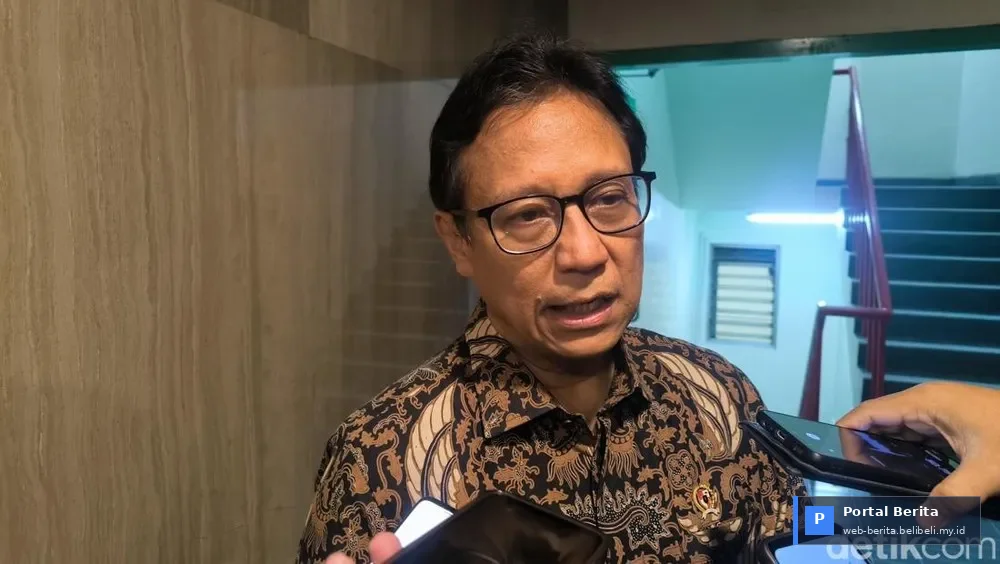
Geneva, Switzerland – Indonesian Minister of Health, Budi Gunadi Sadikin (BGS), has officially been listed as a candidate for the Director-General of the World Health Organization (WHO) for the 2027 term. This announcement has ignited significant discussion among diplomats and global health experts, given the critical importance of WHO leadership amidst increasingly complex health challenges in 2026.
BGS's candidacy signifies a major step for Asia, a region that has not traditionally held many top positions in large multilateral organizations like the WHO. With robust support from Asian nations, he is expected to bring fresh perspectives and innovative solutions to pressing global health issues.
BGS's Track Record: A Strong Foundation for WHO
The Indonesian candidate is not without extensive experience. Budi Gunadi Sadikin is widely recognized for his strategic role in Indonesia's response to the global pandemic, a country with a vast population and unique geographical challenges. The national health system transformation initiatives he spearheaded, focusing on digitalization and upgrading primary facilities, have garnered positive attention from the international community.
“Mr. Sadikin possesses a rare combination of skills: a solid managerial background, a deep understanding of global logistics, and direct experience in leading health responses on a large national scale,” stated Dr. Elena Petrova, a global health policy analyst at the Geneva Centre for Global Health. “In the post-pandemic world of 2026, WHO needs a pragmatic and innovative leader, not just a politician.”
BGS's vision for WHO centers on strengthening the global health architecture, particularly in future pandemic preparedness and response, improving equitable access to healthcare services, and addressing the health impacts of climate change. He often emphasizes the importance of cross-country collaboration and a data-driven approach to policymaking.
Fierce Competition from Various Continents
The path to the WHO Director-General's chair is challenging. Budi Gunadi Sadikin faces stiff competition from several other prominent figures from Europe and the Middle East. Internal WHO sources indicate several potential candidates:
- Prof. Anya Schmidt (Germany): A leading epidemiologist with extensive experience at the European Centre for Disease Prevention and Control (ECDC), known for her expertise in infectious disease surveillance.
- Dr. Khalid Al-Hamad (Saudi Arabia): A former health minister who successfully reformed his country's health system, with an emphasis on medical technology investment and preventive health.
- Dr. Maria Rossi (Italy): A global public health practitioner with a background in non-governmental organizations and the UN, focused on health equity and human rights.
Each candidate brings their respective strengths and regional support, making the 2027 WHO Director-General election one of the most competitive in history.
The Future of WHO and Asia's Role
The election of the new WHO Director-General will be crucial in determining the organization's direction for the next five years. Challenges such as the potential for the next global pandemic, escalating health impacts of climate change, antimicrobial resistance issues, and persistent health access disparities require strong and forward-thinking leadership.
Asia's support for BGS is not just about geographical representation but also about the aspiration to ensure the global health agenda truly reflects the needs and priorities of developing nations. This is an opportunity for the region to focus on locally relevant solutions and strengthen health capacities worldwide.
The selection process will proceed with interview sessions and candidate debates before the WHO Executive Board, with the General Assembly ultimately making the final decision in 2027. The global health community will closely monitor every development in this leadership race.
❓ Frequently Asked Questions
1. When will the new WHO Director-General be elected?
The election process will culminate in 2027, when the WHO General Assembly will elect the next Director-General for a five-year term.
2. What are the key criteria for becoming WHO Director-General?
Candidates must possess a proven track record in international public health, strong managerial expertise, and the ability to lead a complex global organization, demonstrating commitment to WHO's goals and values.
3. Why is Asian support important for Budi Gunadi Sadikin's candidacy?
Asian support signifies a desire for more equitable representation at the helm of global organizations and a belief that BGS can bring unique perspectives and experiences from developing nations to address global health challenges.