🔑 Key Takeaways
- PT Freeport Indonesia's (PTFI) two copper smelter facilities in Gresik, the Manyar Smelter and the expanded PT Smelting Gresik, have reached full operational capacity by 2026.
- This operation drastically enhances Indonesia's capability to process domestic copper concentrate, supporting the national downstreaming agenda and generating significant mineral value-add.
- These projects are expected to create tens of thousands of jobs, attract further investment, and strengthen Indonesia's position as a key player in the global copper supply chain.
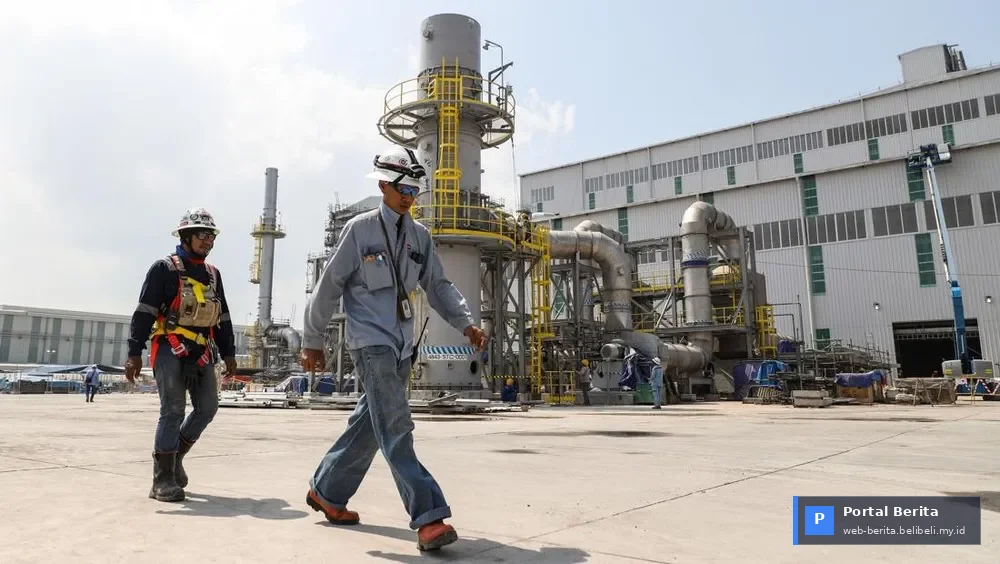
GRESIK, April 23, 2026 – Indonesia has officially cemented its position as a major force in the global mineral processing industry with the full operation of two giant copper smelter facilities owned by PT Freeport Indonesia (PTFI) in Gresik, East Java. PTFI President Director Tony Wenas confirmed that both the newly constructed Manyar Smelter and the expanded PT Smelting Gresik facility have now reached peak operational capacity, marking a strategic milestone for the national economy and the government's downstreaming vision.
The full activation of these two smelters is projected to significantly boost Indonesia's ability to process raw copper concentrate domestically. This move is a crucial part of the government's efforts to reduce raw material exports and maximize the added value from Indonesia's rich natural resources.
Advanced Capacity and Leading Technology
The Manyar Smelter, strategically located within the Gresik Special Economic Zone (SEZ), stands as the world's largest single-line copper smelter facility. With a processing capacity of 1.7 million tons of copper concentrate annually, this facility is expected to produce up to 600,000 tons of copper cathodes per year. Concurrently, the expansion of PT Smelting Gresik, Indonesia's first copper smelter, has increased its total processing capacity to over 1.3 million tons of concentrate per year, yielding approximately 300,000 tons of copper cathodes.
“This is a monumental achievement for both Freeport Indonesia and the nation,” stated Tony Wenas in a recent press statement. “We have fulfilled our commitment to build substantial domestic downstreaming capacity, leveraging cutting-edge technology and best practices to ensure operational efficiency and the highest environmental compliance. The full operation of both smelters in 2026 is not just about production capacity; it's about building a stronger, more resilient, and sustainable industrial foundation for the nation's future.”
Economic Impact and National Downstreaming Agenda
The full operation of the Gresik smelters carries transformative economic implications. It is estimated that tens of thousands of direct and indirect jobs have been created across various sectors, encompassing plant operations, logistics, supporting manufacturing, and related services. This project is anticipated to contribute significantly to regional and national Gross Domestic Product (GDP), as well as boost state revenues from the non-oil and gas sector.
Beyond copper, these facilities will also produce various high-value by-products such as pure gold, pure silver, selenium, sulfuric acid, and slag, which are vital for other downstream industries. This represents a concrete realization of the government's vision for mineral downstreaming, transforming Indonesia from a raw material exporter into a producer of globally competitive, high value-added products.
Indonesia's Strategic Position in the Global Market
With substantial and integrated copper processing capacity, Indonesia is now strengthening its position in the global supply chain. The global copper market in 2026 continues to experience increasing demand, driven by the green energy transition, electrification of transport, and the growth of digital technologies. The ability to process a significant portion of its copper concentrate domestically grants Indonesia a major strategic advantage, reducing reliance on concentrate export markets and allowing greater control over value and supply.
Dr. Surya Atmaja, a senior economic analyst from Gadjah Mada University, underscored the significance of this move. “The operation of these smelters is tangible proof of Indonesia's commitment to industrial development and value addition. Amidst dynamic global markets, with copper demand consistently surging for electric vehicle batteries and renewable energy infrastructure, Indonesia is now exceptionally well-positioned to not only meet these needs but also lead with high-quality processed products and responsible practices.”
Environmental Commitment and Sustainability
PTFI emphasizes that both smelters were designed and are operated with strict adherence to global environmental standards. Advanced technologies are employed to minimize emissions and manage waste responsibly. This includes the implementation of extensive water recycling systems and state-of-the-art emission capture technologies that ensure sustainable operations and minimize ecological impact.
With these high-tech facilities now operational, Indonesia is not only achieving significant economic progress but also affirming its commitment to responsible and sustainable industrial practices on the global stage.
Frequently Asked Questions
1. What are the names of the two Freeport smelters in Gresik that are now fully operational?
The two facilities are the newly constructed Manyar Smelter by PT Freeport Indonesia and the expanded PT Smelting Gresik facility.
2. What is the total copper concentrate processing capacity of these two smelters collectively?
The Manyar Smelter has a capacity of 1.7 million tons of concentrate per year, and the expanded PT Smelting Gresik adds processing capacity to over 1.3 million tons of concentrate per year, with a significant combined total for copper cathode production.
3. What are the main benefits of these smelter operations for Indonesia's economy?
The primary benefits include the creation of tens of thousands of jobs, enhanced mineral value through downstreaming, increased state revenues, and a strengthened strategic position for Indonesia in the global copper market as a producer of processed products.