🔑 Key Takeaways
- Consuming heavy meals late at night significantly strains kidney function and elevates the risk of chronic diseases.
- Eating earlier and lighter meals promotes optimal digestion, stabilizes blood sugar, and supports nocturnal kidney recovery.
- Adopting mindful eating habits by 2026 is crucial for long-term renal health and overall well-being.
In the fast-paced lifestyle of 2026, the habit of consuming heavy meals late at night is drawing increasing scrutiny from health experts. What might seem like a minor indulgence could, in fact, be harboring serious risks for one of our body's most vital organs: the kidneys. Latest research and evolving clinical data underscore that improper eating patterns, especially close to bedtime, can progressively erode kidney function and accelerate the onset of various health issues.
The Hidden Threat Behind Late-Night Suppers
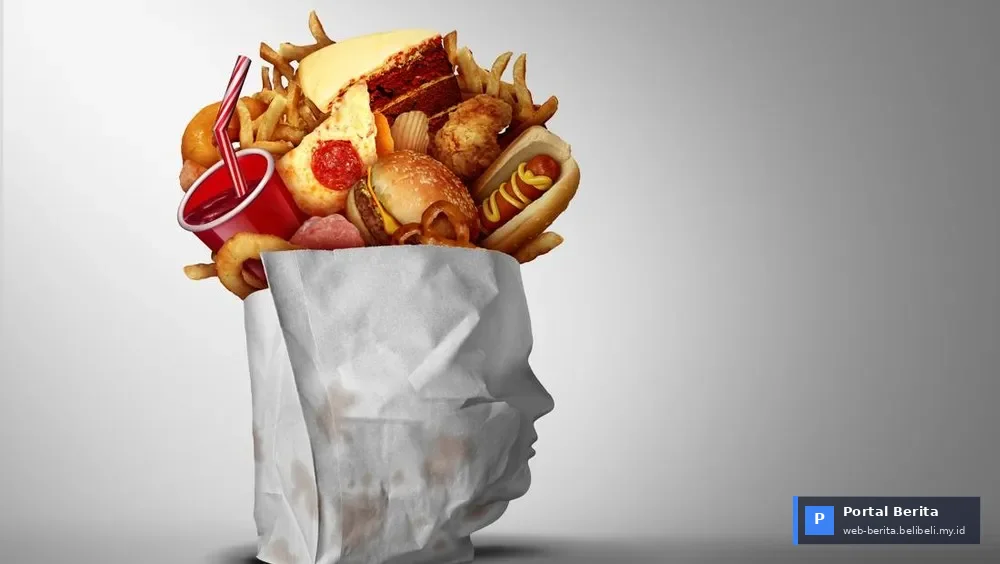
When we consume heavy meals, particularly those high in fat, sugar, and salt, our body requires extra energy to digest them. This process, if it occurs late at night, severely disrupts the body's natural rhythm, which should be preparing for rest. “Eating a heavy meal close to bedtime forces our digestive and metabolic systems to work hard when they should be slowing down,” explains Dr. Anya Wijaya, a leading nephrologist at the National Health Center, during a recent kidney health symposium earlier this year. “This places an additional burden on the kidneys, which are meant to enter a calmer phase of recovery and filtration.”
The kidneys are the body's primary filters, responsible for removing waste products and excess fluids from the blood. When food is inefficiently digested at night, the volume of waste products the kidneys must process can increase. Furthermore, high-sodium foods can lead to temporary blood pressure spikes, while high-sugar meals can trigger blood sugar surges, both of which are significant risk factors for long-term kidney damage.
Why Your Kidneys Suffer
Experts identify several key mechanisms behind the negative impact of late-night heavy eating on the kidneys:
- Increased Workload: Kidneys must work harder to process and excrete excess metabolic byproducts from poorly digested food.
- Blood Pressure Fluctuations: High-salt intake at night can elevate blood pressure, putting extra strain on the delicate blood vessels in the kidneys.
- Blood Sugar Spikes: High-carbohydrate or sugary meals before bed can cause blood sugar levels to spike, which, if repetitive, can contribute to insulin resistance and, eventually, kidney damage.
- Systemic Inflammation: Disrupted digestion and metabolic stress can trigger low-grade systemic inflammation throughout the body, including in the kidneys.
Optimal Solutions for Kidney Health in 2026
The good news is that making simple dietary changes can offer significant protection for your kidneys. Dr. Wijaya recommends several key strategies:
- Prioritize Meal Timing: Aim to finish dinner at least 2-3 hours before bedtime. This allows ample time for the body to digest food before the rest phase begins.
- Choose Appropriate Portions and Content: Opt for lighter, easily digestible meals in the evening, such as steamed vegetables, lean protein (fish or chicken), and small portions of whole grains. Avoid processed foods, high-fat items, and sugary drinks.
- Adequate Hydration: Drinking enough water throughout the day is crucial for healthy kidney function. However, limit large fluid intake right before bed to avoid frequent nocturnal urination.
- Mindful Eating: Pay attention to your body's hunger and fullness cues. Avoid eating out of boredom or stress.
“A simple shift in your eating schedule can be a huge investment in your long-term kidney health,” Dr. Wijaya adds. “In 2026, with increasing understanding of the link between lifestyle and organ health, there's no reason to ignore these warnings. Protect your kidneys, protect your health future.”
FAQ: Frequently Asked Questions
- What's the best time to eat dinner?
Ideally, you should finish dinner at least 2-3 hours before your bedtime, allowing sufficient time for your body to digest the meal. - What foods should be avoided at night?
It's best to avoid high-fat, high-sugar, high-salt foods, as well as large portions of difficult-to-digest items like red meat or spicy meals. - Is late-night snacking equally harmful?
It depends on the type of snack. Light, healthy snacks like fruit or a handful of nuts might not be as harmful as a heavy meal. However, it's still advisable to avoid high-calorie, sugary, or processed snacks late at night.