🔑 Key Takeaways
- Waste Transformation: GO-SARI's 3R facility converts household waste into high-quality compost and animal feed.
- Economic Empowerment: Generates new employment opportunities and boosts income for Guwosari residents, Bantul.
- Circular Model: Stands as a successful and replicable local circular economy model in 2026.
Amidst the escalating challenges of urban waste management, a community-based initiative in Guwosari, Bantul, Yogyakarta, has achieved remarkable success in 2026. The GO-SARI program, a Reduce, Reuse, Recycle (3R) Waste Processing Facility operated by local residents, has transformed from a mere waste treatment site into an empowering circular economy hub. Guwosari's inhabitants now view waste not as a problem, but as an invaluable resource, a tangible demonstration that sustainability and prosperity can go hand-in-hand.
Operational Mechanism of GO-SARI’s 3R Facility
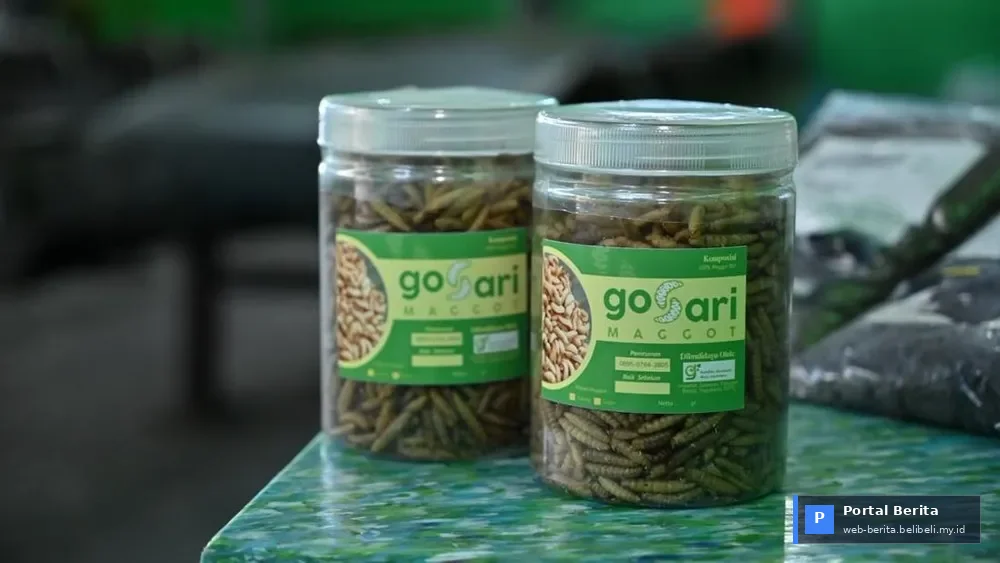
GO-SARI’s 3R facility adopts a holistic approach to waste management. Household waste collected from residents is meticulously sorted. Organic waste is processed into high-quality compost, highly sought after by local farmers, reducing the need for chemical fertilizers and improving soil health. “Every kilogram of organic waste we process is an investment in the future of our agriculture,” states Ms. Sani, GO-SARI’s operational coordinator, who has directly witnessed its positive impact since its inception. Additionally, a portion of the organic waste is converted into maggot feed, an innovation supporting small-scale livestock farming in Guwosari. Meanwhile, inorganic waste such as plastic, paper, and metal is sorted for recycling, fostering partnerships with regional recycling industries and adding economic value.
Significant Economic and Social Impact
By 2026, GO-SARI has created dozens of full-time and part-time jobs for Guwosari residents. From collectors, sorters, compost machine operators, to marketing personnel for recycled products, all earn a decent income. This not only improves individual living standards but also stimulates the local economy. "The income from GO-SARI allows many families to meet daily needs and even plan for the future," says Mr. Andi, a community leader actively involved in the program. "It’s not just about waste; it’s about dignity and opportunity." Beyond employment, the initiative also fosters a strong sense of community ownership and environmental responsibility. Regular skill training is also provided, ensuring workers have the capacity to continually innovate and improve efficiency.
Vision for Sustainability and Replication
GO-SARI's success in Guwosari has attracted the attention of local governments and environmental organizations. This model is now being considered as a blueprint for replication in other areas within Bantul and beyond. "GO-SARI is a clear example of how a grassroots initiative, with the right support, can generate macro-level impact," explains Dr. Widya Lestari, a circular economist from Gadjah Mada University. "Their approach, combining simple technology with active community participation, is the key to a replicable success. This is no longer just a project, but a self-sustaining economic ecosystem." With the aid of digital technology for monitoring and management, GO-SARI aims to continuously expand its reach, proving that responsible waste management is at the core of a resilient future economy.
Frequently Asked Questions (FAQ)
1. What is GO-SARI’s 3R Facility?
GO-SARI’s 3R facility is a community-based waste management site in Guwosari, Bantul, focusing on Reduce, Reuse, and Recycle to transform waste into economically valuable products.
2. How does GO-SARI contribute to the local economy?
GO-SARI creates jobs, generates income from compost and animal feed sales, and reduces reliance on landfill disposal, all of which drive the local circular economy.
3. Can the GO-SARI model be replicated elsewhere?
Yes, GO-SARI’s operational and community empowerment model is designed for replication. Its success makes it an attractive blueprint for other communities looking to tackle waste issues while creating economic value.