🔑 Key Takeaways
- Indonesia's State-Owned Enterprise (SOE) Transformation Agency, Danantara, has successfully streamlined 274 SOE entities by early 2026.
- This strategic move is a core part of the broader SOE transformation agenda aimed at achieving operational efficiency and enhancing global competitiveness.
- The consolidation and optimization efforts are expected to strengthen SOEs' contributions to national economic growth and improved public service delivery.
JAKARTA — In early 2026, Indonesia's State-Owned Enterprise (SOE) Transformation Agency, Danantara, announced a significant achievement in its reform agenda for the state-owned sector. Dony Oskaria, Head of the SOE Transformation Agency (BP BUMN), revealed that 274 SOE entities have been successfully streamlined through the Danantara program. This marks a crucial milestone in the government's efforts to create a leaner, more efficient, and highly competitive SOE ecosystem.
This streamlining is not merely a reduction in numbers but the result of a comprehensive strategy designed to address inefficiencies, overlapping functions, and a lack of focus on core businesses that often hampered SOE performance in the past. “This transformation is key to ensuring that SOEs can become agile economic drivers, delivering maximum value for the state and the community,” Oskaria stated in a recent press release.
Danantara's Vision: Towards Competitive SOEs
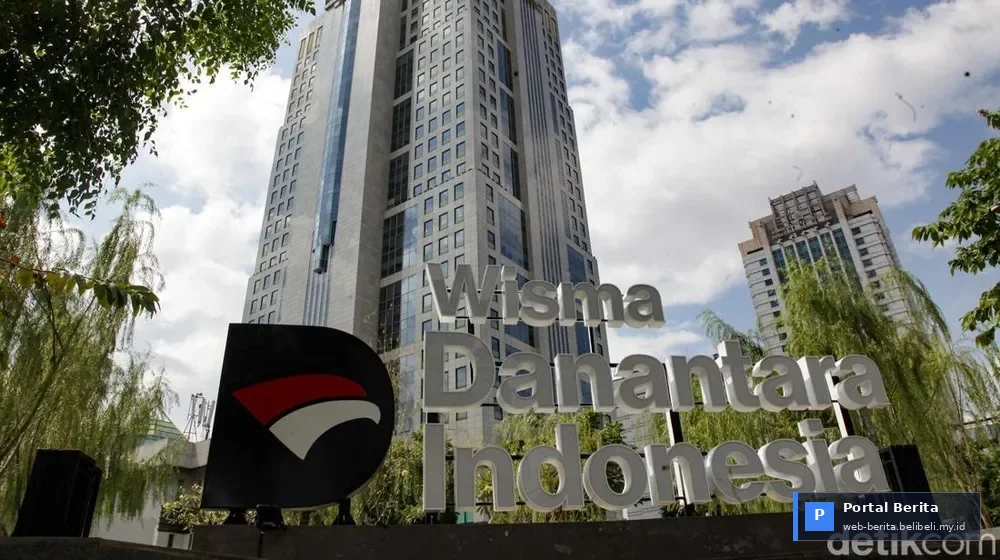
Danantara, established as a specialized arm of BP BUMN, was formed to execute this restructuring mission. Its mandate includes identifying, evaluating, and executing corporate actions such as mergers, liquidations, or divestitures for SOEs deemed non-strategic or underperforming. This process has been intensively ongoing for some time, culminating in the successful streamlining of 274 entities.
According to internal BP BUMN reports, many of the streamlined entities were subsidiaries or sub-subsidiaries with limited operations, or those operating in non-core sectors that burdened operational costs without significant contributions. Consolidation is expected to free up resources for allocation to more strategic and high-growth potential investments.
Impact and Economic Outlook for 2026
Professor Dr. Budi Santoso, an economist from Gadjah Mada University, lauded this initiative. “The streamlining of 274 SOEs is a bold step that demonstrates the government’s commitment to improving SOE governance and profitability. This is not just a reduction in numbers, but a fundamental restructuring that directs SOEs to become agile and profitable economic locomotives,” explained Prof. Santoso.
With a focus on enhanced efficiency and better governance, the remaining SOEs are expected to operate at world-class standards, capable of competing in global markets, and contributing larger dividends to the state. Furthermore, this optimization is projected to improve the quality of public services, foster innovation, and unlock new investment opportunities from the private sector, which now views the SOE ecosystem as more transparent and efficient.
BP BUMN affirmed that this transformation process will continue in the coming years, focusing on strengthening core capabilities and adapting to the evolving global economic landscape. The 2026 agenda serves as a strong foundation for a brighter and more sustainable future for SOEs.
❓ Frequently Asked Questions
- What is Danantara and what is its role in SOE transformation?
Danantara is a specialized body under Indonesia's SOE Transformation Agency (BP BUMN) tasked with planning and executing the restructuring of SOE entities, including mergers, liquidations, or divestitures, to achieve efficiency and optimize performance. - What are the main benefits of streamlining these 274 SOEs?
The primary benefits include increased operational efficiency, improved corporate governance, a sharper focus on strategic core businesses, and the potential for greater dividend contributions to the state. - Will there be further streamlining in the future?
SOE transformation is an ongoing process. Danantara will continue to periodically evaluate the SOE portfolio to ensure relevance and optimization, meaning further streamlining or consolidation may occur as needed.