🔑 Key Takeaways
- The Ministry of Industry (Kemenperin) is intensely evaluating the impact of the new 'America First 2.0' import tariff policies enacted by US President Donald Trump in 2026.
- Manufacturing sectors, particularly textiles, footwear, and processed products, are identified as the most vulnerable to these new tariffs, sparking concerns over declining export volumes.
- The Indonesian government is devising mitigation strategies, including market diversification, enhancing local competitiveness, and strengthening trade diplomacy to protect domestic industries.
JAKARTA – The Ministry of Industry (Kemenperin) of the Republic of Indonesia is currently conducting a comprehensive study on the impact of a new round of import tariff policies recently implemented by US President Donald Trump. These protectionist policies, dubbed 'America First 2.0,' are expected to create a new wave of challenges for Indonesia's export-oriented manufacturing industries in 2026.
Kemenperin's initial analysis indicates that these new tariffs, targeting several categories of manufactured products, could significantly affect Indonesia's export volumes to the US market. The US remains one of Indonesia's largest trading partners, making any policy changes there highly relevant for domestic economic growth.
Most Affected Industrial Sectors
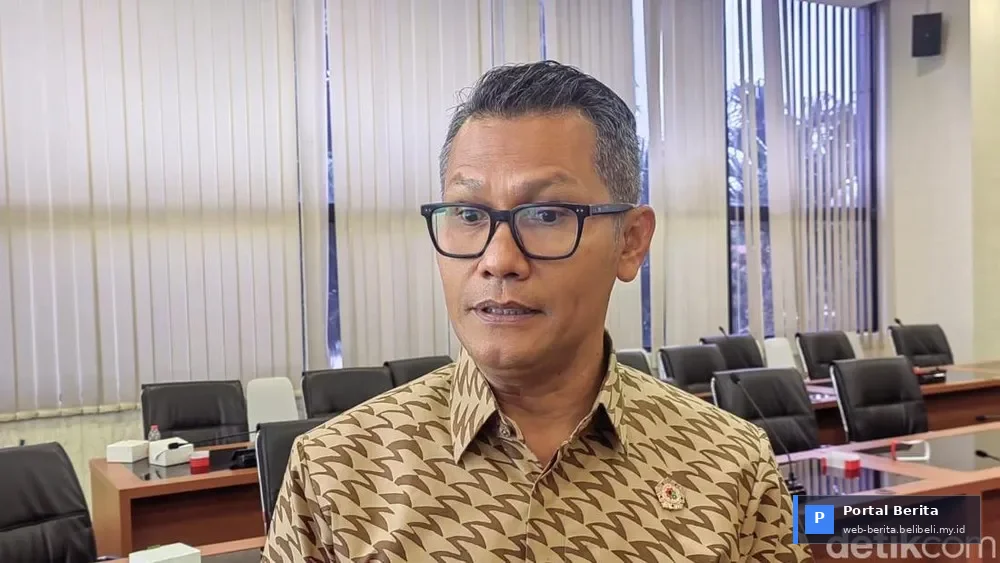
According to the Director-General of Industrial Resilience, Regionalization, and International Industrial Access at Kemenperin, Mr. Ir. Budi Santoso, M.Si., in-depth studies are focused on key sectors. “We see the textile and textile products (TPT), footwear, electronics, and several processed agricultural and fishery products as potentially being directly affected by these new tariffs,” explained Mr. Budi during an internal discussion. “Our step is to map out in detail the supply chains and value added in each sector to understand the risks and formulate appropriate responses.”
Preliminary data suggests that the new tariffs could increase the cost of Indonesian products in the US market, reducing their competitiveness compared to products from other countries or US domestic goods. This has the potential to lead to a decrease in orders and, in turn, impact production levels and employment absorption domestically.
Mitigation and Adaptation Strategies
In response to this threat, Kemenperin, along with other relevant ministries, has begun designing mitigation and adaptation strategies. Key focuses include diversifying export markets to non-traditional countries in South Asia, Africa, and Latin America. Additionally, the government is encouraging an increase in local content and value added for domestic products to reduce reliance on vulnerable global supply chains.
Chairperson of the Indonesian Employers' Association (APINDO), Ms. Shinta Kamdani, welcomed the government's initiative. “Protectionist policies are always a challenge, but also an opportunity to strengthen the resilience of our industries. We hope the government can continue to accelerate negotiations for other bilateral and multilateral trade agreements to open new market access for Indonesian products,” stated Ms. Shinta.
Broader Impact and Future Outlook
Economists predict that Trump's 'America First 2.0' policies in 2026 will trigger similar responses from other nations, potentially leading to global trade fragmentation. However, Indonesia is viewed as having sufficiently strong economic fundamentals and the ability to adapt, provided that appropriate strategies are consistently implemented.
Kemenperin affirms its commitment to continuous dialogue with industry players, business associations, and other stakeholders to gather comprehensive input. This study is expected to be completed by the third quarter of 2026, with clear policy recommendations to navigate the increasingly complex global trade landscape.
❓ Frequently Asked Questions
- What are the 'America First 2.0' policies recently enacted by President Trump?The 'America First 2.0' policies refer to a new series of import tariffs and protectionist measures implemented by the US President Donald Trump's administration in 2026, aimed at protecting US domestic industries.
- Which Indonesian industries are most likely to be affected by these new tariffs?The most vulnerable sectors are textiles and textile products (TPT), footwear, electronics, and certain processed agricultural and fishery products that have significant export volumes to the US.
- What steps is the Indonesian Government taking to address the impact of these new tariffs?The Indonesian government is focusing on diversifying export markets, increasing local content and product value-add, and strengthening bilateral and multilateral trade diplomacy to open up new market access.