🔑 Key Takeaways
- Chicken prices are experiencing a significant upward trend across Indonesia in 2026, putting a strain on household budgets.
- In contrast, rice prices have remained remarkably stable, supported by strong harvests and effective government food policies.
- This price volatility highlights the complexities of both global and domestic food supply chains, necessitating adaptive strategies for consumers and businesses alike.
Jakarta, March 12, 2026 – The Indonesian food commodity market enters the second quarter of 2026 with varied price movements, presenting both challenges and relief for consumers and businesses. Recent data indicates that chicken prices continue to climb steadily, while other staple commodities like rice demonstrate reassuring stability.
Chicken Prices: A Burdensome Ascent
The rising cost of chicken has become a central concern in both traditional markets and modern retail outlets. Average prices for broiler chicken have now reached levels that are increasingly challenging for many families. Market analysts point to several key drivers behind this increase. “The surge in feed costs, heavily influenced by global corn prices and currency exchange rates, is a primary culprit,” explains Dr. Siti Rahayu, an Agricultural Economist at the National Food Studies Center (PSPN). “Furthermore, consistently high demand, coupled with localized avian health and sanitation issues that have slightly impacted supply, contributes to the complex situation.”
This increase is not confined to major cities but is widespread, exerting inflationary pressure on the food component of the economy. Consumers are feeling the pinch, with many looking for alternative protein sources or reducing their chicken consumption.
Rice: An Anchor of Stability Amidst Volatility
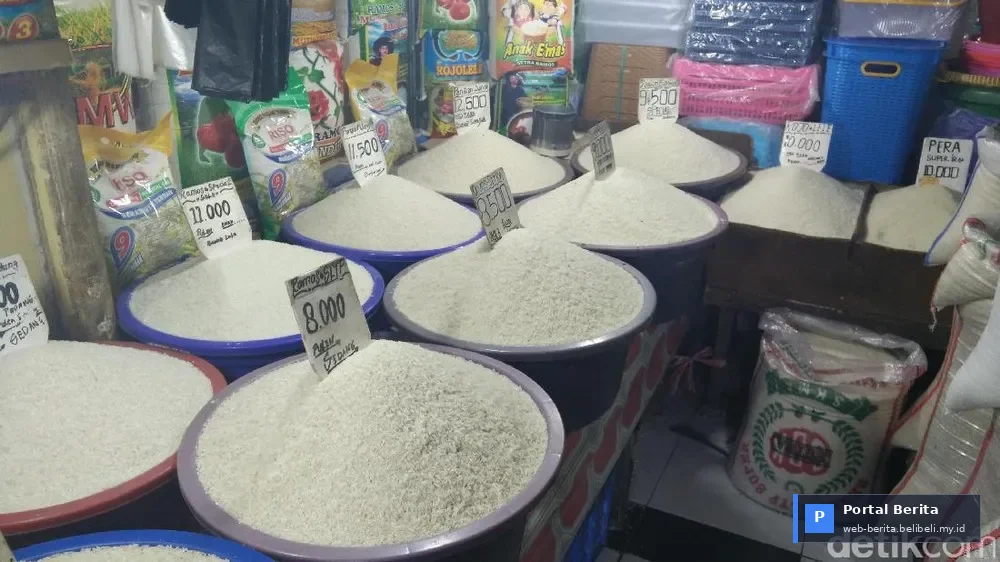
On the other hand, rice prices, for Indonesia's primary staple food, present a more positive trend with remarkable stability. Since the beginning of 2026, prices for both medium and premium rice varieties have remained relatively unchanged. “The stability of rice prices is a result of a combination of crucial factors,” states Mr. Budi Santoso, Director of Commodity Procurement at the National Food Agency (BPN). “Successful harvests in key production centers, combined with sufficient government rice reserves and well-calibrated import strategies, have effectively maintained a secure supply and curbed price speculation.”
This success in stabilizing rice prices is vital for preserving the purchasing power of the populace, especially lower-income groups, and serves as an indicator of effective national food management.
Economic Impact and Future Outlook
These food price fluctuations have broad economic implications. The rise in chicken prices could trigger general inflation, reduce purchasing power, and affect micro, small, and medium enterprises (MSMEs) that heavily rely on this raw material, such as eateries and catering businesses. The government, through the Ministry of Trade and the National Food Agency, affirms its continuous monitoring of price movements and preparedness to implement intervention measures if necessary, including market operations and targeted subsidies.
The future outlook suggests that food price variability will likely remain a dynamic to anticipate. With increasingly unpredictable climate change and global geopolitical tensions potentially affecting supply chains, adaptation and innovation in the agricultural sector, alongside responsive food policies, will be key to ensuring national food security in the years ahead.
Frequently Asked Questions (FAQ)
Q: Why are chicken prices rising in 2026?
A: The rise in chicken prices in 2026 is primarily due to soaring global feed costs (especially corn), increased demand, and potential supply disruptions caused by poultry health issues in certain regions.
Q: What is keeping rice prices stable?
A: Rice price stability is attributed to successful harvests in major production areas, adequate government rice reserves, and calculated import policies designed to balance supply and demand.
Q: How do these price fluctuations affect household budgets?
A: The increase in chicken prices raises protein expenditure, forcing households to seek alternatives or reduce consumption. However, stable rice prices help secure the bulk of staple food budgets, preventing a more severe inflationary impact.