🔑 Key Takeaways
- The Indonesian government has firmly guaranteed that the price of subsidized fuel, Pertalite, will not increase until the end of 2026.
- This policy primarily aims to maintain public purchasing power and national economic stability amidst global dynamics.
- While beneficial for consumers, the move raises discussions about the state's fiscal burden and long-term energy subsidy strategies.
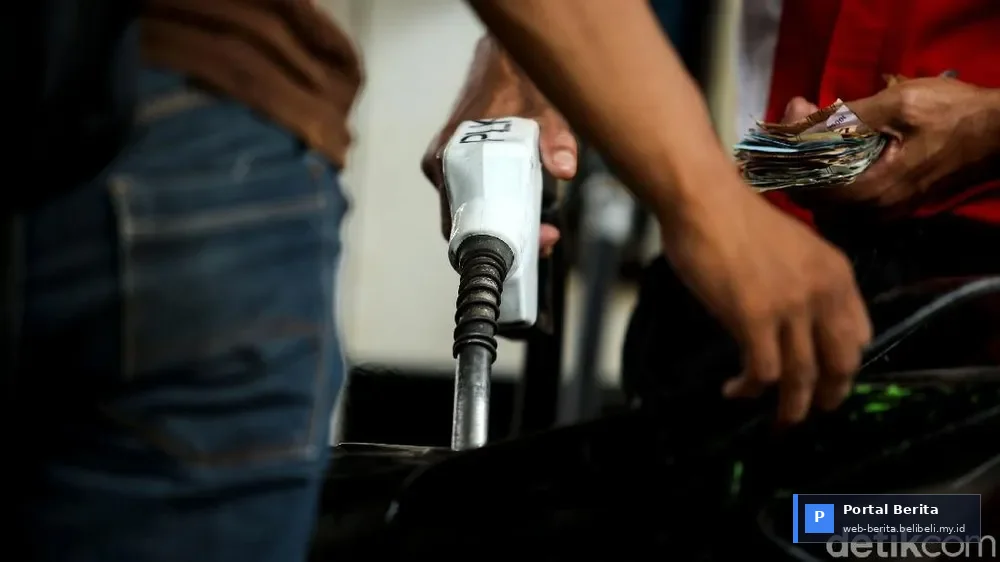
JAKARTA – Good news for millions of vehicle users across Indonesia. The government has once again reaffirmed its commitment to keep the price of subsidized fuel, Pertalite, stable, ensuring no increase until the end of 2026. This decision was announced by the Ministry of Energy and Mineral Resources (ESDM) in the early second quarter of 2026, providing certainty amid fluctuating global energy prices.
Fuel Price Stabilization Policy: A Shield for the Public Economy
The decision to maintain Pertalite prices unchanged is a strategic move by the government to protect the purchasing power of the public, especially lower and middle-income groups, and to safeguard national economic stability. With Pertalite prices remaining stable at around IDR 10,000 per liter, transportation and logistics costs are expected to avoid volatility that could trigger inflation.
'The certainty of Pertalite prices until the end of 2026 is a manifestation of the government's commitment to the people. Amid global economic uncertainties and potential commodity price hikes, maintaining the stability of subsidized fuel prices is crucial to preserve purchasing power and curb inflation,' stated Mr. Budi Santoso, Director General of Oil and Gas at the Ministry of ESDM, during a press conference in Jakarta.
Positive Impact for Consumers and Businesses
This decision has been widely welcomed. For households and daily wage earners, stable fuel prices mean more predictable living costs. The transportation, MSME, and logistics sectors will also benefit from more controlled operational expenses.
'This really helps us, small business owners. With Pertalite prices not increasing, we can plan our operational costs for goods delivery with more certainty, so our product selling prices don't need frequent adjustments. This provides business certainty,' said Ms. Siti Aminah, a catering entrepreneur in Tangerang.
Economic analyst from the National Economic Study Center (NESC), Dr. Mira Lestari, added that this step will also assist the government in managing inflation expectations. 'In 2026, the government's focus is on inclusive economic growth. Energy price stabilization is one of the main pillars to achieve an inflation target of 2-3%, while also providing room for businesses to recover and grow,' she explained.
Fiscal Challenges and Long-Term Energy Strategy
Despite its positive impacts, the policy of maintaining subsidized fuel prices naturally demands a significant allocation of subsidy budget from the State Budget (APBN). The government, through the Ministry of Finance, has allocated substantial energy subsidies for 2026, including for Pertalite.
Discussions about the effectiveness and sustainability of energy subsidies continue. Some parties urge the government to accelerate energy transition and implement more targeted subsidies. However, the government emphasizes that the current top priorities are economic stability and social protection.
'We are continuously reviewing long-term options, including conversion programs to cleaner energy and the development of public transportation infrastructure. However, for this year, keeping Pertalite affordable is a necessity,' concluded the Director General of Oil and Gas.
❓ Frequently Asked Questions
- Q: Why has the government decided to freeze Pertalite prices?
A: The government aims to protect public purchasing power, maintain national economic stability, and control inflation amidst global economic uncertainties. - Q: Does this policy apply to all types of fuel?
A: No, this stable price guarantee specifically applies to subsidized Pertalite fuel. Prices of non-subsidized fuels may be adjusted based on market prices and exchange rates. - Q: What are the fiscal implications of this policy for the country?
A: This policy will require a significant subsidy budget allocation from the State Budget to cover the difference between the selling price and the economic price, but it is considered an investment in social and economic stability.