🔑 Key Takeaways
- The United Progressive Labor Confederation of Indonesia (KBPBI) has postponed its planned demonstration in front of the DPR RI Building next Monday.
- This decision was made as a proactive measure to avoid potential infiltrators who could provoke unrest and tarnish the image of the labor movement.
- KBPBI reaffirms its commitment to continue advocating for the Manpower Bill's passage, focusing on adapting advocacy strategies amidst new challenges in 2026.
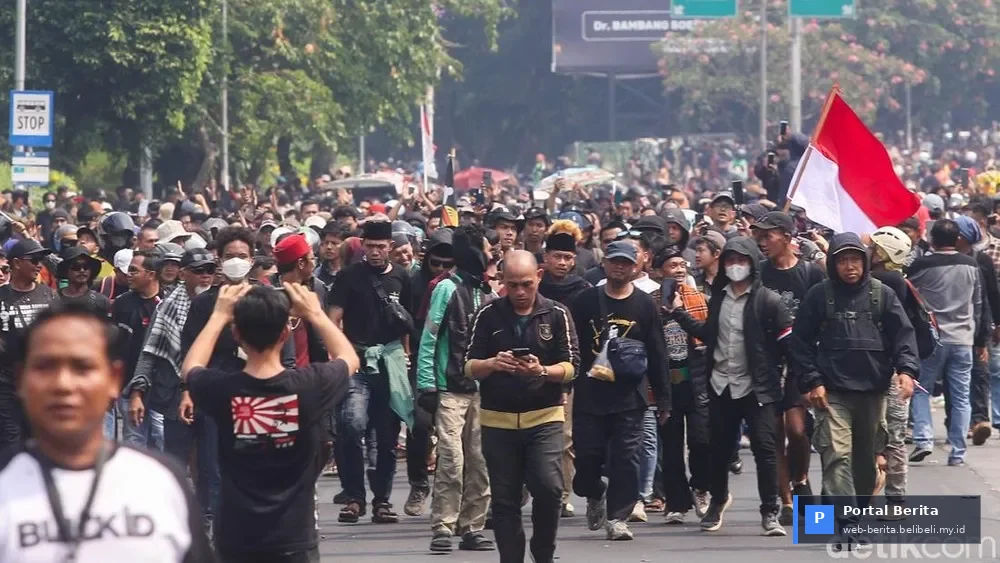
Jakarta, February 12, 2026 – The United Progressive Labor Confederation of Indonesia (KBPBI) has surprisingly announced the postponement of a large-scale demonstration planned for early next week in front of the House of Representatives (DPR) building. The protest aimed to press for the accelerated passage of the Manpower Bill, a crucial piece of legislation expected to strengthen worker rights amid the digital economy landscape and global challenges of 2026. The postponement, according to KBPBI, is not due to a lack of resolve, but a strategic move to prevent potential infiltration by irresponsible parties seeking to undermine the integrity and noble objectives of the labor movement.
Preventing Unrest and Preserving Movement Integrity
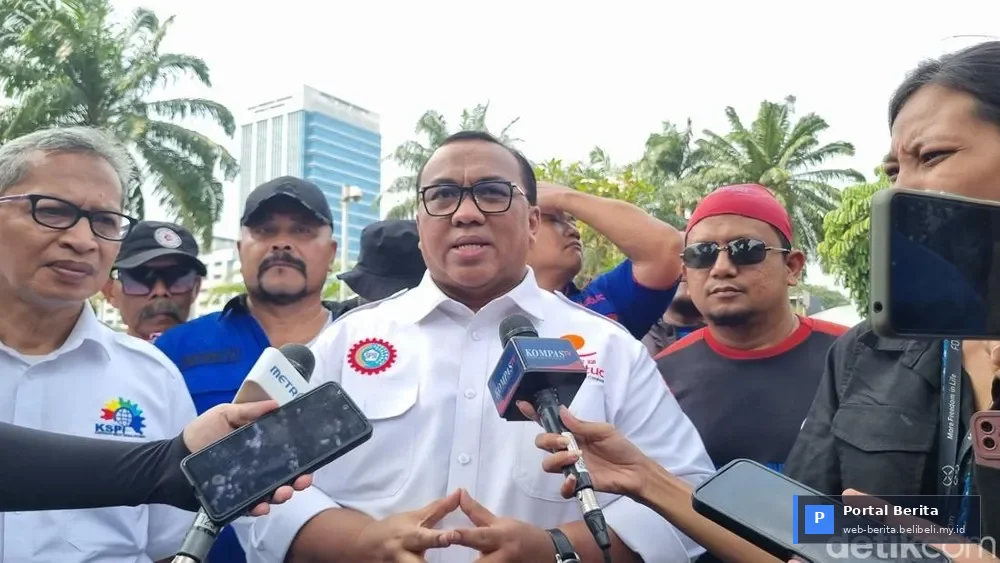
KBPBI's decision to postpone the action is based on bitter experiences from previous demonstrations, which were often infiltrated by provocateurs, leading to incidents of unrest and vandalism. “We do not want our struggle to be tainted by anarchist actions carried out by infiltrators. Our goal is clear: to voice workers' rights peacefully and constitutionally,” stated KBPBI Chairman, Mr. Budi Santoso, in a virtual press conference held today. He added that in the fast-paced information era of 2026, a single negative incident can easily be generalized, damaging the reputation of the entire movement. “Integrity is our greatest asset,” he emphasized.
Political and social observer from Paramadina University, Dr. Citra Lestari, commended KBPBI's step. “In the context of modern democracy in 2026, an organization's ability to self-reflect and adapt its strategy is key to its sustainability. The decision to postpone the protest due to infiltrator concerns demonstrates KBPBI's maturity and commitment to peaceful action. This also sends a positive signal to the public and the government that they are constructive dialogue partners, not just executors of street pressure,” Dr. Citra explained.
The 2026 Manpower Bill: A Pillar of Worker Rights in the Digital Age
The Manpower Bill, championed by KBPBI, is a major focus for millions of Indonesian workers. In 2026, this bill is expected to address new challenges, including protection for gig economy workers, more comprehensive social security, and the adaptation of regulations to remote work models and automation. Many elements within the bill remain fiercely debated among labor unions, employers, and the government.
Labor Economist, Prof. Dr. Andi Wijaya from the Indonesian Economic Studies Institute, highlighted the bill's urgency. “Indonesia in 2026 is at a crossroads of economic transformation. Without a modern and fair labor legal framework, we risk creating deeper disparities between formal and informal workers, and hindering innovation potential. This bill must be able to balance labor market flexibility with fundamental worker protections,” he stated.
KBPBI's New Strategy: Adaptation and Internal Strengthening
While street action is postponed, KBPBI asserts that their struggle will continue through other avenues. The confederation plans to intensify lobbying efforts with parliamentary factions, conduct online public hearings, and launch a more extensive digital education campaign to raise public awareness about the importance of the Manpower Bill. Internal consolidation will also be undertaken to strengthen their ranks and formulate more effective and resilient long-term advocacy strategies.
This postponement reflects the complex dynamics faced by labor movements in 2026, where maintaining order and a positive image is as crucial as conveying aspirations. KBPBI's decision is expected to set a positive precedent for other mass organizations to prioritize strategic and responsible approaches in all their advocacy actions.
Frequently Asked Questions
Why are infiltrators a major concern for labor unions in 2026?
Infiltrators can disrupt peaceful protests by inciting violence or vandalism, damaging the union's reputation and undermining their message. In the fast-paced information era of 2026, negative publicity can spread rapidly, eroding the movement's legitimacy in the eyes of the public and government.
What is the current status of the Manpower Bill in 2026?
The Manpower Bill, focusing on gig economy and digital worker protection, comprehensive social security, and modern work regulation adaptation, is still undergoing intense deliberation in the DPR. KBPBI continues to push for its accelerated passage with pro-worker amendments.
How does this postponement affect KBPBI's advocacy efforts?
Despite postponing physical action, KBPBI will intensify digital lobbying, online hearings, and internal consolidation. The delay also provides time to devise safer and more effective strategies to convey their aspirations, ensuring their message is heard without being marred by violence.