🔑 Key Takeaways
- BPOM Indonesia has officially launched six new regulations and fifteen guidance books, significantly strengthening national food safety oversight in 2026.
- A primary focus is on integrating technological innovations, such as artificial intelligence and blockchain, to enhance efficiency and transparency across the entire food supply chain.
- BPOM is also intensifying cross-sector collaboration—with industry, academia, and international bodies—to cultivate a safer, healthier, and more sustainable food ecosystem for Indonesian society.
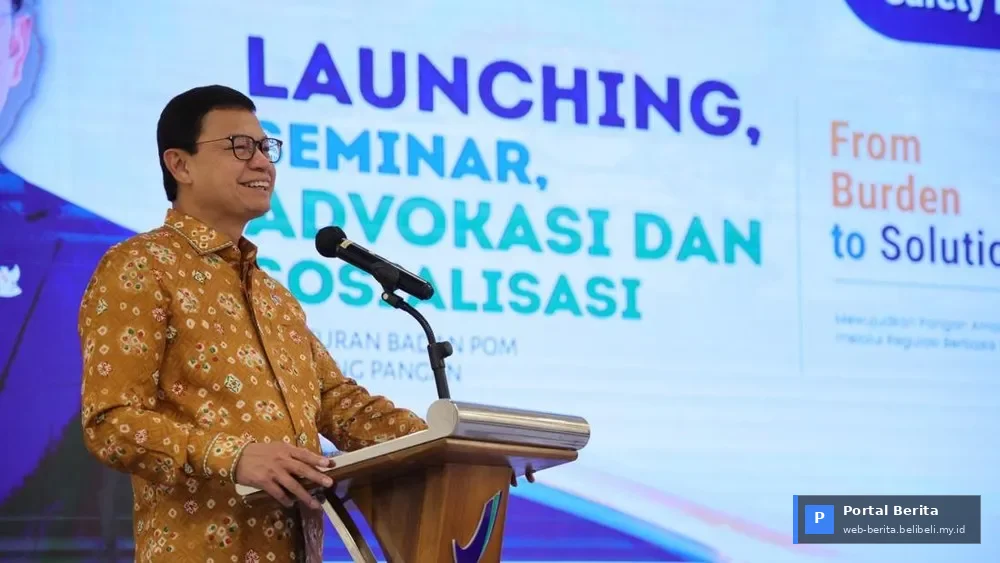
Jakarta, January 16, 2026 – In response to the growing complexities of global food supply chains and escalating consumer demands for higher quality assurance, the National Agency of Drug and Food Control (BPOM) of Indonesia has taken proactive measures. BPOM RI has officially unveiled a comprehensive package comprising six new regulations and fifteen food safety guidance books. This initiative marks a new chapter in the nation's commitment to fortify its national food safety framework, ensuring that every product on the market is safe, healthy, and of high quality.
Elevating Food Safety Standards for the Modern Era
These six new regulations are meticulously designed to cover a broad spectrum of food safety issues, ranging from food additives and innovative processed foods to hygiene and sanitation standards in production facilities. The regulations also address critical aspects such as product traceability using digital technologies and risk management that is more adaptive to climate change and novel production methods. With these updated standards, BPOM aims to close potential gaps and prevent the circulation of non-compliant food products.
“Food safety is not an option; it is a fundamental right of every citizen,” affirmed Dr. Siti Rahayu, Head of BPOM RI's Food Safety Center, during a virtual press conference. “This package of regulations and guidelines we are launching is a strategic response to the ever-evolving global food landscape. We are not just overseeing, but also facilitating safe and healthy innovation, in line with the increasingly critical demands of modern consumers.”
Practical Guidance for the Food Industry
Beyond the regulations, the fifteen accompanying guidance books serve as the backbone for practical implementation on the ground. These books provide detailed and clear instructions for businesses—from large-scale producers to micro, small, and medium-sized enterprises (MSMEs)—on best practices in production, storage, distribution, and product labeling. The guidance materials cover crucial aspects such as allergen risk mitigation, the use of alternative food ingredients, and efficient product recall procedures. This comprehensive approach is expected to enable the industry to easily adapt their operations to the latest standards, minimize potential violations, and enhance consumer trust.
Collaboration and Innovation as Key Pillars
BPOM recognizes that food safety oversight cannot be accomplished in isolation. Therefore, collaboration is a central pillar of this strategy. BPOM will strengthen synergy with relevant ministries/agencies, industry associations, academia, and even international organizations to share knowledge and best practices. The utilization of technology is also a priority. Integrated digital surveillance systems leveraging artificial intelligence (AI) for risk analysis and blockchain technology for end-to-end product traceability are being developed and expanded in 2026. This allows for faster responses to food incidents and greater transparency for consumers.
These strategic measures not only aim to protect consumers from hazardous food products but also to support the competitiveness of Indonesia's food industry in the global market. With a robust and transparent framework in place, product innovation can flourish within guaranteed safety limits, opening new opportunities for exports and national economic growth.
❓ Frequently Asked Questions (FAQ)
1. What is the primary focus of BPOM Indonesia's six new regulations?
The primary focus is to strengthen oversight across the entire food supply chain, covering standards for food additives, innovative processed foods, production hygiene, digital traceability, and adaptive risk management.
2. How do the fifteen new guidance books assist businesses?
These guidance books provide detailed and practical best practices for production, storage, distribution, and labeling, helping businesses comply with the new standards more easily.
3. What role does technology play in BPOM's 2026 food safety strategy?
Technology, such as AI for risk analysis and blockchain for product traceability, is key to integrated digital surveillance, enabling rapid responses and high transparency for consumers.