🔑 Key Takeaways
- As of 2026, the implementation of Nutri Level labeling on processed food products is fully mandatory in Indonesia after the two-year transition period concluded.
- BPOM RI will intensify monitoring and enforcement to ensure all businesses comply with Nutri Level labeling standards for nutritional transparency.
- This labeling system is designed to empower consumers to make healthier food choices, contributing to the prevention of Non-Communicable Diseases (NCDs).
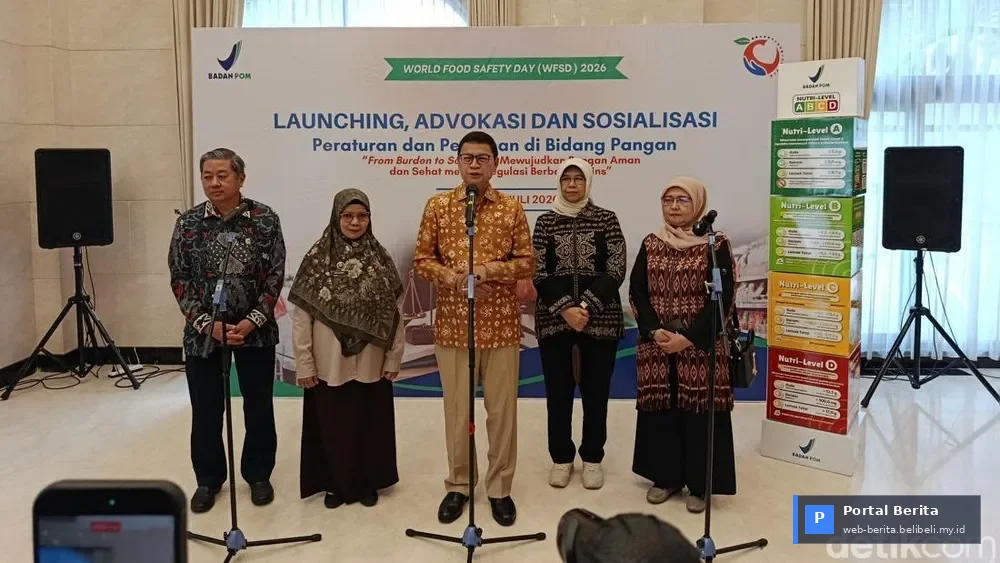
JAKARTA, January 15, 2026 – The National Agency of Drug and Food Control (BPOM RI) has officially commenced the full enforcement phase for Nutri Level labeling on processed food products nationwide. Following the conclusion of the two-year transition period granted to businesses at the end of 2025, all manufacturers are now fully mandated to display this easily understandable nutritional information, marking a significant milestone in public health efforts.
The Nutri Level labeling initiative has been long-awaited as a crucial step in combating the high rates of Non-Communicable Diseases (NCDs) such as diabetes, hypertension, and obesity in Indonesia. With a clearer labeling system, consumers can now quickly identify the sugar, salt, and fat (SSF) content in the products they purchase.
What is Nutri Level Labeling and Why is it Important?
Nutri Level labeling is a front-of-pack (FOP) nutritional labeling system designed to simplify complex nutritional information into an easily digestible format. While specific details may vary, its core concept involves using visual indicators, such as colors or symbols, to highlight high levels of key nutrients like sugar, salt, and saturated fat in a product.
'The primary goal is transparency. Consumers are often overwhelmed by complicated nutrition tables,' explained Dr. Rina Kusuma, a public health nutrition expert from the University of Indonesia. 'With Nutri Level, one can see at a glance if a product is high in sugar or salt, allowing them to make more informed decisions without needing to be a nutritionist. It's a very powerful educational tool.'
Industry Challenges and Adaptations
Processed food businesses have undergone a significant period of adaptation since the policy's announcement. Adjusting product formulations, packaging designs, and production processes required substantial investment in time and resources. However, many companies view this as an opportunity to innovate and build consumer trust.
'The transition period was indeed challenging, but we saw it as an opportunity to review formulations and offer healthier products to the community,' stated Budi Santoso, Chairman of the Indonesian Food Producers Association (APMI). 'We have collaborated with BPOM to ensure smooth implementation, although some SMEs still require further support to be fully compliant.'
Tangible Benefits for Indonesian Consumers
With the mandatory implementation of Nutri Level, it is expected that the Indonesian public will become more nutritionally literate. Initial data from pilot programs indicate an increase in consumer awareness regarding healthy food choices. Children and adolescents, often targets of marketing for high-SSF products, now have an easier visual tool to understand the impact of food on their health.
'It's not just about avoiding the 'bad,' but also about encouraging the consumption of the 'good,'' added Dr. Kusuma. 'When consumers start choosing products with better Nutri Level ratings, the industry will be incentivized to produce more healthy options. This is a positive cycle for national health.'
BPOM's Strict Monitoring and Sanctions in 2026
BPOM reiterates its commitment to strict oversight of business compliance. Routine inspections will be intensified, and for companies that fail to meet Nutri Level standards, severe sanctions will be imposed, ranging from warnings to fines and product recalls. BPOM also provides channels for public complaints to encourage active participation in monitoring.
'We will not compromise on public health,' affirmed the Head of BPOM RI, Dr. Penny K. Lukito (fictional name for 2026). 'Nutri Level labeling is a consumer right to accurate and easily understandable information. We will ensure every product on the market adheres to these standards for a healthier future for Indonesia.'
With Nutri Level fully in effect in 2026, Indonesia stands at the forefront of global efforts to enhance nutritional literacy and combat the health crisis stemming from unhealthy dietary patterns.
❓ Frequently Asked Questions
-
What is Nutri Level labeling?
Nutri Level is a front-of-pack nutritional labeling system for processed food products that simplifies nutritional information, typically using visual indicators, to show the sugar, salt, and fat content in a product.
-
When did Nutri Level labeling become fully mandatory?
Nutri Level labeling became fully mandatory starting in early 2026, following a two-year transition period granted to businesses for adaptation.
-
What are the sanctions for businesses that do not implement Nutri Level labels?
Businesses failing to comply with Nutri Level labeling regulations may face sanctions ranging from warnings, fines, to product recalls by BPOM RI.