🔑 Key Takeaways
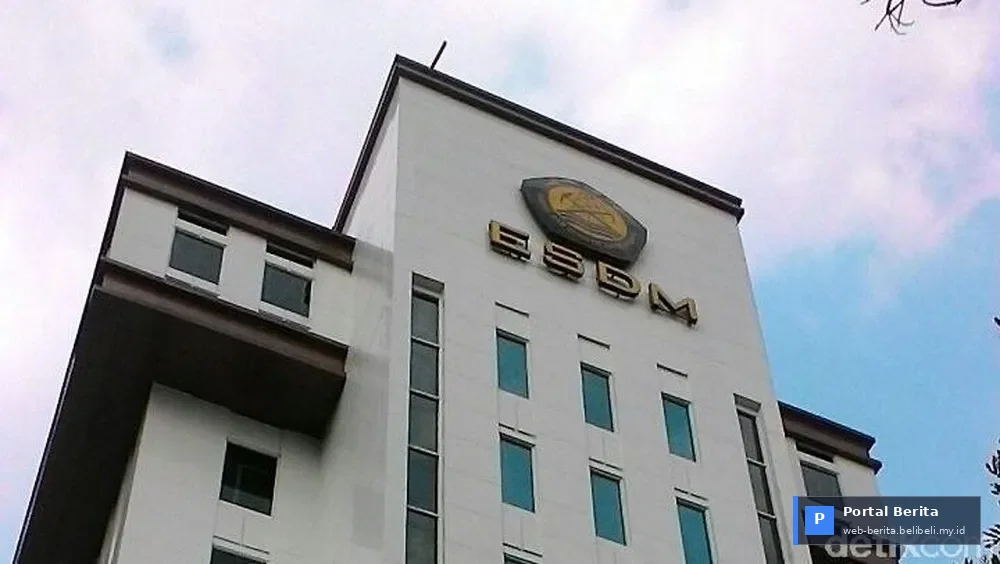
- The Ministry of Energy and Mineral Resources (ESDM) once again received an Unqualified Opinion (WTP) from the BPK for its 2025 fiscal year financial statements, indicating generally good accountability.
- Despite this, the BPK specifically highlighted significant weaknesses in the management and collection of mining sector fines, potentially impacting state revenues.
- BPK's recommendations include improving financial governance, digitizing collection systems, and strengthening inter-agency coordination for effective mining penalties in 2026.
JAKARTA, August 22, 2026 – The Ministry of Energy and Mineral Resources (ESDM) has once again demonstrated its commitment to financial transparency and accountability by achieving an Unqualified Opinion (WTP) from the Supreme Audit Agency (BPK) for its 2025 fiscal year financial statements. This announcement, released in mid-2026, marks a proud accomplishment for the ministry, reflecting significant improvements in budget governance and fiscal reporting. However, despite this positive achievement, the BPK also issued crucial notes regarding the management of mining sector fines, which require serious attention moving forward.
The WTP opinion, which is the highest audit rating, confirms that ESDM’s financial statements have been fairly presented in all material respects, in accordance with Government Accounting Standards. This is an important indicator for investors and the public that public funds are managed effectively and transparently. “This WTP achievement is tangible proof of ESDM’s consistency in maintaining the integrity of its financial reports. It’s a positive signal for the investment climate and public trust,” stated Dr. Amira Satrio, a public policy observer from Universitas Pembangunan Nasional 'Veteran' Jakarta, in an interview.
Sharp Scrutiny on Mining Fines
Despite receiving a WTP, the BPK emphatically highlighted several weaknesses in the management of fines and unauthorized levies within the mining sector. According to the BPK’s report, the effectiveness of collecting and utilizing fines imposed for violations of mining regulations is still far from optimal. This includes fines related to environmental damage, mining business permits, and obligations for share divestment and local content utilization.
The BPK identified potential state losses due to fines that have not been collected effectively or due to inadequate administration. “Inefficient management of mining fines is a significant drain on our state revenues. These fines are not just about financial sanctions; they are about law enforcement and environmental protection. If fines are not collected or managed transparently, it sends the wrong message to industry players,” said Ir. Bayu Pamungkas, a mining law expert from the Indonesian Mineral Entrepreneurs Association.
BPK's Recommendations and Financial Improvement Steps
In its report, the BPK provided a series of concrete recommendations to ESDM to improve financial governance, particularly concerning mining fines. These recommendations include:
- Refining Recording and Collection Systems: Encouraging the implementation of an integrated digital system to record, collect, and monitor fine statuses in real-time.
- Strengthening Inter-agency Coordination: Enhancing synergy between ESDM, the Directorate General of Taxes, and other law enforcement agencies to ensure effective collection and enforcement of sanctions.
- Transparency in Fine Allocation: Clarifying the mechanisms for allocating and utilizing funds from fines, especially for environmental rehabilitation and community development around mining areas.
- Regular Regulatory Evaluation: Conducting evaluations of fine regulations to make them more adaptable to current industry dynamics and environmental challenges.
ESDM, through its Secretary-General, expressed full commitment to follow up on all BPK recommendations. “We view BPK’s scrutiny as an opportunity for continuous improvement. Digitizing collection systems and strengthening human resource capacity will be our priority in 2026, to ensure every rupiah from mining fines can return to the state treasury and be utilized for the greater good of the people,” he explained during a virtual press conference.
This situation underscores the ongoing challenge for the government in balancing investment promotion with strict regulatory enforcement in the natural resources sector. Amidst increasing global demands for sustainable mining practices and good governance, transparent and efficient fine management will be key to maintaining Indonesia's reputation as a responsible investment destination.
Frequently Asked Questions
What does an Unqualified Opinion (WTP) mean?
A WTP is the highest audit rating given by the BPK, meaning that the entity's financial statements (in this case, ESDM) have been presented fairly in all material respects, in accordance with Government Accounting Standards.
Why is mining fine management highlighted despite ESDM achieving a WTP?
Even though the overall financial statements meet accounting standards, the BPK can still provide specific notes or recommendations on areas requiring improvement, such as the effectiveness of mining fine collection and administration, which is part of a broader performance audit.
How does poor mining fine management impact the state?
Poor fine management can lead to potential loss of state revenue, weakened enforcement of laws and regulations in the mining sector, and hindered environmental rehabilitation and community development efforts that should be funded by these fines.