🔑 Key Takeaways
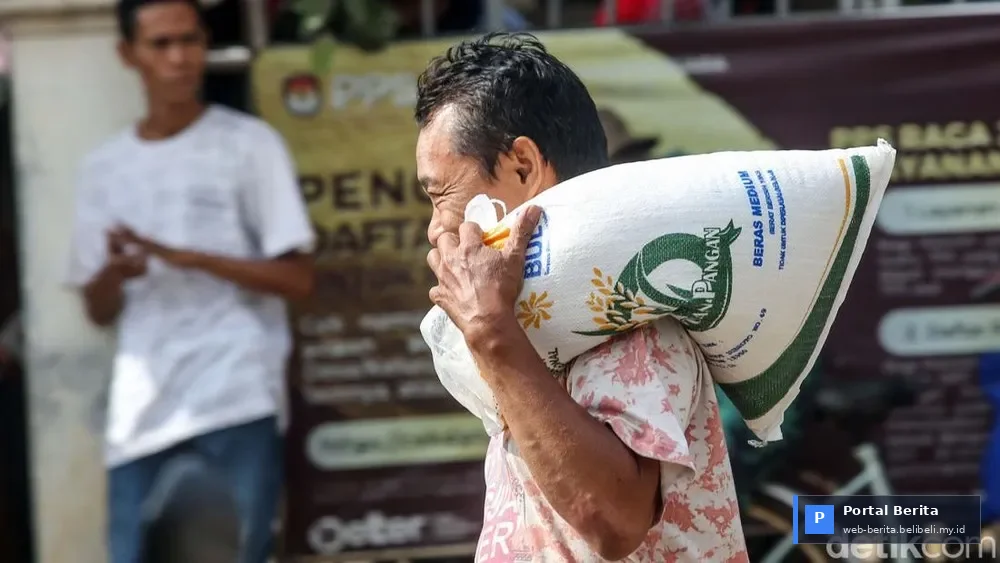
- Bulog CEO Ahmad Rizal Ramdhani confirmed the extension of the national rice social assistance program through July 2026.
- This extension adds another three months to the aid scheme, ensuring continued vital support for millions of vulnerable households.
- The move underscores the government's commitment to maintaining food security and alleviating economic burdens amidst the economic dynamics of 2026.
JAKARTA, June 18, 2026 – Good news has arrived for millions of families across Indonesia. The CEO of Perum Bulog, Ahmad Rizal Ramdhani, has officially announced the continuation of the crucial rice social assistance program through July 2026. This decision represents a proactive governmental response to consistently ensure national food security and provide a robust social safety net for vulnerable communities.
Ramdhani explained that this extension prolongs the program's duration by another three months, targeting distribution until the end of July 2026. “We have received clear directives to ensure this rice food aid continues to flow. It’s not just about distribution; it's a guarantee that no citizen struggles to access staple food,” he stated during a press conference at Bulog's headquarters.
Maintaining Stability and Purchasing Power
The extension of the rice social assistance program is highly crucial, especially amidst global commodity price fluctuations and domestic inflation that require serious attention in 2026. Food economist, Dr. Citra Dewi from Universitas Pembangunan Nasional, emphasized the importance of this intervention. “The rice aid program serves a dual purpose; it not only stabilizes prices at the consumer level but also boosts the purchasing power of low-income households. Without it, we risk seeing an increase in food insecurity in several regions,” she explained.
Bulog, as the national food buffer institution, plays a central role in ensuring smooth distribution. Rice stocks in Bulog's warehouses are reported to be at safe levels, ready to support the program's continuation. Ramdhani added, “Logistics is key. We continuously coordinate with local governments and distribution partners to ensure the rice reaches the right hands, on time, and with the best quality.”
Sustainable Positive Impact
The rice social assistance program has proven effective in easing the economic burden on millions of families. Data indicates that the program has helped reduce extreme poverty rates and significantly lowered food insecurity levels since its inception. With this extension, the government hopes to continue this positive trend, particularly leading up to and after Eid al-Adha, a period when household consumption tends to increase.
The government is also evaluating potential similar or more targeted programs for the remainder of the second half of 2026, underscoring its long-term commitment to social welfare. “Our commitment to the well-being of the people is a priority. We will continue to monitor the economic and social situation to ensure that the policies we adopt are relevant and effective,” Ramdhani concluded.
Frequently Asked Questions (FAQ)
- What is the main objective of this rice aid extension?
The primary objective is to maintain national food security stability, curb rice price inflation, and alleviate the economic burden for millions of vulnerable households in Indonesia through July 2026. - How many households are expected to benefit from this program?
Approximately 22 million beneficiary families (KPM) are expected to continue receiving this aid, covering the most in-need segments of low-income communities. - What is Bulog's role in distributing this aid?
Bulog is fully responsible for the procurement, storage, and distribution of the rice aid to all distribution points across Indonesia, ensuring the quality and timely delivery.