🔑 Key Takeaways
- The United States launched retaliatory strikes against Iran in the Strait of Hormuz following an attack on a Singaporean vessel.
- The incident triggered a surge in global oil prices and increased shipping insurance premiums, intensifying financial market uncertainty.
- Logistics companies and the energy sector face significant challenges, driving the search for alternative routes and increased investment in maritime security.
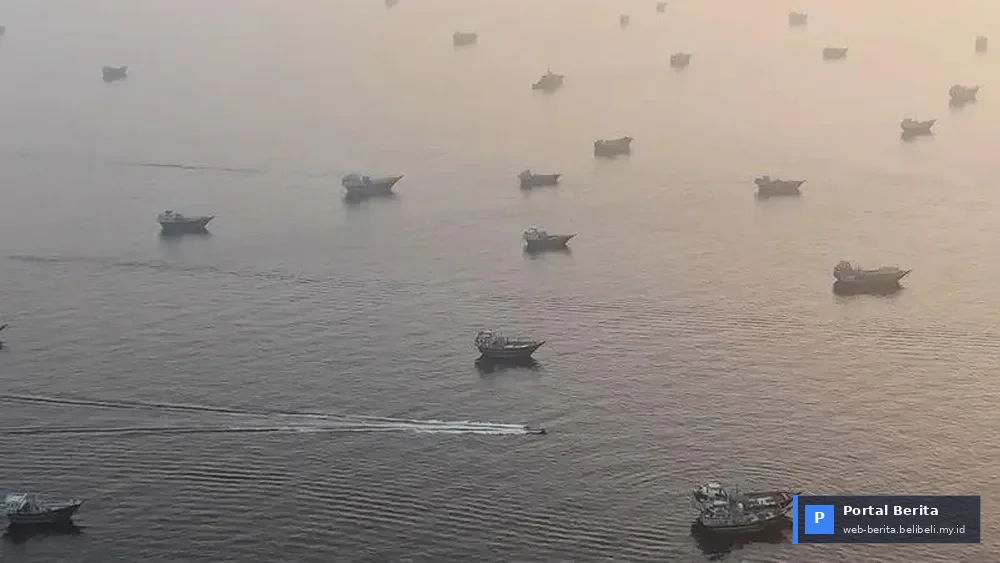
Geopolitical tensions in the Strait of Hormuz reached a new boiling point in early 2026 after the United States confirmed retaliatory strikes targeting Iran-linked assets. This action came as a direct response to a previous incident where a Singaporean-flagged commercial vessel was reportedly struck while transiting the crucial shipping lane. The retaliatory strikes, claimed to be aimed at restoring regional stability and protecting international shipping, immediately rattled global markets and raised serious concerns about further escalation in one of the world's most vital trade arteries.
The attack on the Singaporean ship, which no group has directly claimed responsibility for despite US intelligence pointing towards Iran-backed militias, has sparked a fresh wave of anxiety over maritime security. With roughly one-third of the world's total seaborne oil supply and a significant portion of liquefied natural gas (LNG) passing through the Strait of Hormuz daily, any disruption in this region carries widespread and profound economic consequences.
Widespread Global Economic Impact
Market reactions were swift. Brent crude oil prices surged by over 5% in the hours following the news of the US strikes, reaching their highest levels in six months. Analysts predict that insurance premiums for shipments traversing the Strait of Hormuz could skyrocket, potentially adding millions of dollars to shipping companies' operational costs. “This isn't just about oil; it's about global confidence in the security of trade routes,” stated Dr. Aisha Rahman, a geopolitical economist at the National University of Singapore. “Companies will have to re-evaluate their route risks, which could mean delays and higher costs for consumers worldwide.”
The global logistics and supply chain sectors are particularly vulnerable. Businesses reliant on shipments through the Strait of Hormuz are now compelled to consider longer, more expensive alternative routes, such as circumnavigating Africa. Such measures will not only extend delivery times but also significantly increase fuel and labor costs, ultimately passing these onto the final product prices.
Market Response and Expert Analysis
Stock markets across Asia and Europe displayed significant volatility, with major indices fluctuating sharply. Shares of shipping, insurance, and energy companies were under particular scrutiny. While oil company stocks surged due to higher commodity prices, shipping and logistics firms faced pressure due to operational uncertainties and increased costs. Investors aggressively sought 'safe-haven' assets, such as gold and government bonds, reflecting a dominant risk-off sentiment in the markets.
“The escalation in the Strait of Hormuz adds a significant ‘geopolitical risk premium’ to global energy prices and supply chain costs,” explained David Chen, Head of Market Strategy at Apex Financial Group. “Governments and central banks must now weigh the potential inflationary impact of these supply disruptions against their monetary policies, amidst efforts to stabilize a still-fragile global economic growth.”
Business Strategies Amid Uncertainty
Facing the prospect of sustained uncertainty, many multinational corporations have begun activating their contingency plans. These include diversifying supply routes, increasing buffer stocks, and exploring new shipping technologies to reduce reliance on single maritime chokepoints. Some major energy companies are even reportedly accelerating investments in storage facilities and non-pipeline shipping capacities to enhance their flexibility.
Governments worldwide have called for immediate de-escalation and diplomatic dialogue to prevent further conflict. However, with the situation remaining fluid, the global business community must brace for a prolonged period of uncertainty. Maritime security and stability in the Strait of Hormuz remain paramount, bearing vast implications not just for the oil markets, but for the entire global trade ecosystem in 2026 and beyond.
Frequently Asked Questions (FAQ)
What is the Strait of Hormuz and why is it so important?
The Strait of Hormuz is a narrow sea channel connecting the Persian Gulf to the Arabian Sea. It is the world’s most critical maritime chokepoint, with approximately one-third of all seaborne crude oil and much of the world's liquefied natural gas (LNG) transported through it daily, making it crucial for global energy trade.
How does this incident affect global oil prices?
This incident triggers sharp increases in crude oil prices due to concerns over supply disruptions. Escalation in the Strait of Hormuz could restrict or halt oil flows, significantly reducing supply and pushing prices further upwards in global markets.
What are the implications for shipping companies?
Shipping companies face increased security risks, leading to a drastic rise in insurance premiums and potentially higher operational costs. They may also be forced to reroute through longer, more expensive alternative paths to avoid conflict zones, which will delay deliveries and add to logistics expenses.