🔑 Key Takeaways
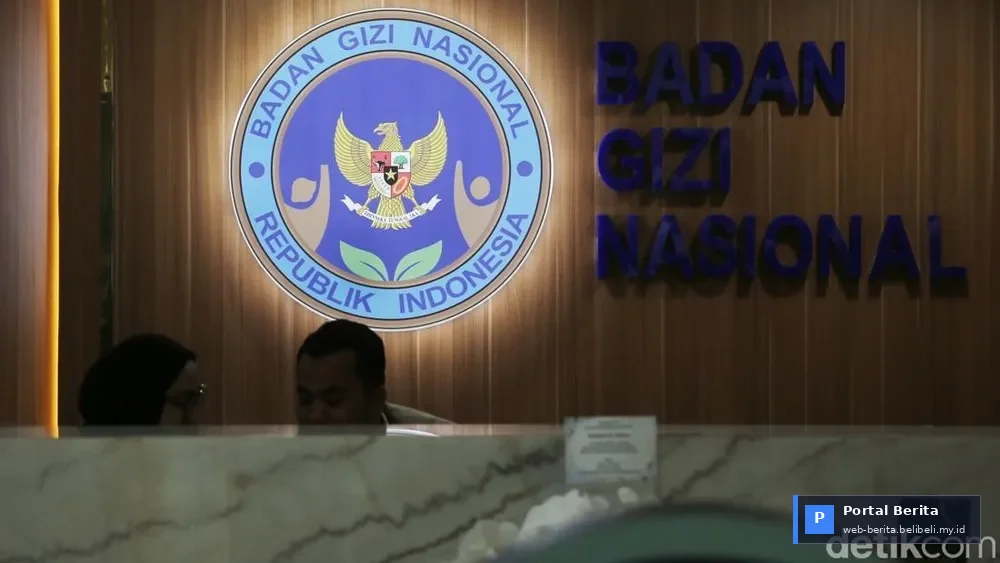
- The National Nutrition Agency (BGN) is rapidly expanding its “Free Nutritious Meal Kitchen (MBG)” program across high and very high stunting prevalence regions in Indonesia.
- Leveraging advanced mapping technology and geospatial data analysis, BGN aims for efficient nutritional distribution and optimized socio-economic impact within affected communities.
- This initiative is viewed as a strategic long-term investment, poised to accelerate national stunting reduction targets and foster inclusive economic growth by 2026.
JAKARTA, March 18, 2026 – The National Nutrition Agency (BGN) has announced an accelerated rollout of its ambitious program to combat stunting in Indonesia through the construction of hundreds of “Free Nutritious Meal Kitchens (MBG)”. This initiative targets precisely identified areas with the highest stunting prevalence, marking a significant stride in the nation's efforts to develop superior human capital.
BGN's strategic roadmap for 2026 demonstrates a strong commitment to data-driven solutions. The current mapping process not only pinpoints geographic locations but also analyzes socio-economic factors contributing to nutritional deficiencies, ensuring each MBG kitchen is situated in the most strategic location for maximum impact.
Data-Driven Mapping and Technological Innovation
“We are no longer relying on guesswork. By leveraging artificial intelligence and cutting-edge geographic information systems, we have developed high-precision maps that identify villages and even hamlets with critical stunting rates,” explained Dr. Siti Aminah, Head of BGN's Data and Nutrition Information Center. “This data encompasses demographics, food access, infrastructure, and local consumption patterns, allowing us to design highly specific and efficient interventions. This is a significant investment in national data infrastructure that will guide nutrition policies for decades to come.”
Each MBG kitchen is designed as a multi-functional community hub, not only providing balanced nutritious meals for toddlers, pregnant women, and families at risk of stunting, but also serving as a nutrition education center and facilitating local health posts (Posyandu). The operational model will involve active participation from local communities, creating employment opportunities and fostering food independence at the grassroots level.
Long-Term Economic and Social Impact
The investment in the MBG Kitchen program extends far beyond mere food provision. According to Prof. Dr. Budi Santoso, a development economist from the University of Indonesia, this program has the potential to significantly stimulate local economies. “The construction and operation of these kitchens will generate demand for local food products, strengthen the supply chains of agricultural SMEs, and create jobs for cooks, logistics staff, and nutrition educators,” he stated. “In turn, a reduction in stunting will lead to a healthier and more productive workforce in the future, decrease the nation's healthcare burden, and enhance national competitiveness on the global stage. This is a capital expenditure yielding quality human capital.”
BGN aims for at least 500 fully operational MBG Kitchens by the end of 2026, with further expansion phases planned until 2030. Funding for this program primarily stems from the central government budget, supported by strategic partnerships with the private sector through CSR schemes and international organizations focused on nutrition and development.
Future of Indonesian Nutrition: Collaboration and Sustainability
BGN's commitment to sustainability is also evident in its plan for intensive training for Posyandu cadres and village health workers. They will serve as the frontline in monitoring child growth, providing nutrition counseling, and ensuring the MBG Kitchen program operates effectively. “We want to ensure that each kitchen is not just a distribution point, but also a beacon of nutritional knowledge empowering families to make better food choices independently,” Dr. Aminah added.
With integrated technology, community participation, and cross-sectoral support, BGN is optimistic about achieving Indonesia's ambitious national stunting reduction targets by 2026, paving the way for a healthier and more prosperous Golden Indonesia generation.
Frequently Asked Questions (FAQ)
Q: What is the Free Nutritious Meal Kitchen (MBG) program?
A: The MBG Kitchen program consists of community centers established by BGN in high stunting areas, providing free nutritious meals, nutrition education, and supporting Posyandu services for toddlers, pregnant women, and families at risk of stunting.
Q: How does BGN determine the locations for MBG Kitchen construction?
A: BGN utilizes advanced AI-driven mapping technology and geographic information systems to analyze demographic data, food access, and socio-economic factors to identify the most strategic locations with the highest stunting prevalence.
Q: What is the impact of the MBG Kitchen program on the local economy?
A: The program creates local jobs, strengthens food supply chains from agricultural SMEs, and reduces long-term healthcare costs. The reduction in stunting will also boost future workforce productivity.