🔑 Key Takeaways
- Minister of Home Affairs (Mendagri) Tito Karnavian has reignited the initiative to revise the regional leaders' salary regulation, which has been in effect for 28 years, indicating that the revision process will intensify in 2026.
- The revision aims to align compensation with 2026 economic conditions, attract top talent, and enhance the performance accountability of regional leaders across Indonesia.
- Discussions in the House of Representatives (DPR) in 2026 are expected to explore performance-based salary models and more dynamic adjustment mechanisms.
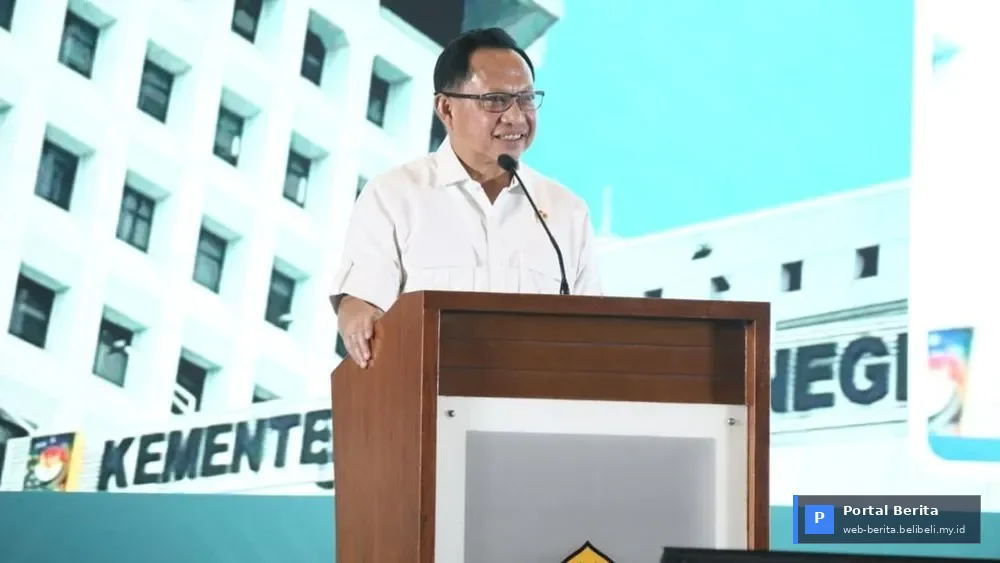
JAKARTA, February 22, 2026 – Minister of Home Affairs (Mendagri) Tito Karnavian has once again highlighted the urgency of revising the regulation concerning regional leaders' salaries. The rule, which has been in effect for nearly three decades—specifically 28 years—is deemed no longer relevant to the economic dynamics and performance demands of regional leadership in 2026.
This initiative is not new, but in 2026, the momentum is stronger, coinciding with a comprehensive evaluation of governance effectiveness at various levels. Mendagri Tito Karnavian emphasized that this revision is crucial to ensure fair, competitive, and commensurate compensation with the significant responsibilities borne by regional leaders.
Pressing Need for Revision
The current regional leaders' salary regulation, dating back to the late 1990s, is considered to have fallen far behind due to inflation, increased cost of living, and the complexity of regional development challenges. “Currently, we see that the existing rules no longer reflect the economic realities and the workload of regional leaders. We want to attract the best talents to lead regions, and one way to do that is by providing decent and accountable compensation,” stated Mendagri Tito Karnavian during a recent discussion forum in Jakarta.
This revision is expected not only to increase the salary amount but also to design a more comprehensive remuneration system. Discussions revolve around basic salaries, performance-based allowances measured against regional development targets, and other allowances relevant to the conditions of each region.
Economic and Governance Impact
Economic and governance experts welcome this revision, provided that its implementation is transparent and accountable. Dr. Indah Permata, a public policy economist from Gadjah Mada University, explained, “Providing adequate compensation can be a positive incentive to reduce the potential for corruption and attract high-quality individuals. However, it is crucial to link salaries to clear performance indicators, such as increases in regional GDP, reductions in poverty rates, or public satisfaction indices.”
On the other hand, Professor Budi Santoso, a governance expert from the University of Indonesia, highlighted the importance of public involvement in the discussion process. “Transparency is key. The public must understand the reasons behind this revision and how the new system will ensure that better salaries are aligned with better public services. It is not just about numbers, but about how we build a more effective and cleaner leadership ecosystem,” he asserted.
Next Steps in the DPR
The draft revision of the regional leaders' salary regulation is expected to be one of the priority agendas for discussion in the House of Representatives (DPR) in the second half of 2026. The government, through the Ministry of Home Affairs, will collaborate with relevant ministries and agencies, as well as DPR commissions, to formulate the most optimal draft regulation.
Discussions in the DPR are expected to involve input from various stakeholders, including associations of regional governments, legal experts, and civil society. The target is to have a modern, adaptive, and sustainable framework for regional leaders' salaries in the long term, which can be fully implemented before the end of 2026.
Frequently Asked Questions About Regional Leaders' Salary Revision
- Q: Why is the revision of regional leaders' salary regulations important in 2026?
A: The current regulation is 28 years old and is considered no longer relevant to the economic conditions, cost of living, and the increasingly complex performance demands and responsibilities of regional leaders in 2026. This revision aims to attract top talent and increase accountability. - Q: What are the main points expected from this revision?
A: This revision targets not only an increase in basic salaries but also aims to design a more comprehensive compensation system, such as performance allowances based on regional development target achievements, and a more dynamic and transparent salary adjustment mechanism. - Q: When is this revision expected to take effect?
A: Discussions in the DPR are planned for the second half of 2026. With collaboration between the government and the DPR, it is hoped that the new regulatory framework can be finalized and begin implementation before the end of 2026.