🔑 Key Takeaways
- Rostov-on-Don is facing acute gasoline scarcity, severely impacting daily life and commerce.
- The shortage stems primarily from significant production cutbacks at several major Russian oil refineries.
- This crisis highlights growing systemic vulnerabilities within Russia's energy infrastructure and supply chain in 2026.
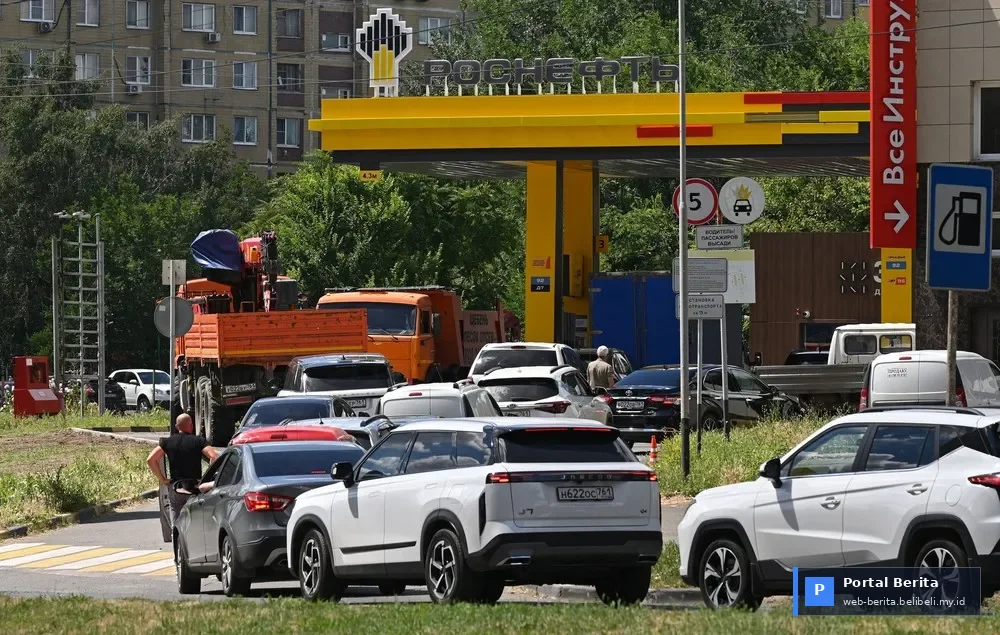
ROSTOV-ON-DON, Russia – Residents of the southern Russian city of Rostov-on-Don are grappling with a stark reality: long queues at petrol stations and dry fuel pumps. A crippling gasoline shortage has gripped the region, igniting widespread concerns about the stability of Russia's energy supply in 2026. The situation is not merely an inconvenience but a tangible threat to the local economy and the daily lives of millions.
Why are Supplies Dwindling?
The primary cause of this scarcity, according to reports from various industry sources, is a significant reduction in production at several key Russian oil refineries. While the specific reasons vary for each facility, experts point to a confluence of factors. Dr. Elena Petrova, a senior energy market analyst at the Eurasia Institute, notes, 'In 2026, we are witnessing the cumulative impact of ongoing challenges within Russia's refining sector. This includes overdue maintenance requirements, difficulties in acquiring advanced components and technology due to geopolitical pressures, and some production optimizations that may not have adequately accounted for regional demand.'
The situation is exacerbated by an aging infrastructure and a reliance on imported technology that has become increasingly difficult to source. Russian refineries, some of which have been operational for decades, require significant modernization and routine overhauls. However, restricted access to Western technology and precision parts has slowed these processes, leading to diminished operational capacity and output.
Economic and Social Impact
The gasoline shortage in Rostov-on-Don, a crucial logistical and industrial hub, has created a damaging ripple effect. Black market prices for fuel have skyrocketed, and the cost of transporting goods has climbed exponentially. Small businesses, particularly those reliant on deliveries and transport, are feeling the heaviest brunt. Farmers face difficulties in moving produce, while essential services such as ambulances and fire departments struggle to ensure adequate fuel supplies.
'It's not just about gasoline for private cars,' explained a local grocery store owner, who requested anonymity. 'It's about food on our shelves, about goods reaching consumers, about our ability to work and our children getting to school. The entire logistical system is strained.'
Government Response and Future Outlook
The Russian government is reportedly working to address the crisis, though details of concrete measures remain scarce. Some reports suggest the possibility of diverting supplies from other regions, but this could trigger shortages elsewhere. Long-term, this crisis underscores Russia's urgent need to invest more heavily in its domestic refining modernization and reduce its reliance on foreign components.
Analysts warn that if the refinery production issues are not fundamentally resolved, gasoline shortages could spread to other parts of Russia, sparking broader public discontent and eroding confidence in the government's ability to manage the economy amidst ongoing geopolitical pressures in 2026.
❓ Frequently Asked Questions (FAQ)
Q: Why are Russian refineries reducing their production?
A: Production reductions are due to a combination of factors, including overdue maintenance, difficulties in acquiring advanced components and technology due to geopolitical pressures, and potential regional production optimizations.
Q: What is the broader economic impact of these gasoline shortages?
A: Economic impacts include surging black market fuel prices, increased transportation costs for goods, supply chain disruptions, strain on small businesses, and potential for broader inflation.
Q: Is this shortage likely to spread to other regions of Russia?
A: There is potential for spread, depending on the government's ability to divert supplies, the condition of other refineries, and the efficiency of the national fuel distribution logistics network.