🔑 Key Takeaways
- A hepatitis outbreak has been detected among a dozen volunteers of the Free Nutritious Meal Program (MBG) in Bima, West Nusa Tenggara.
- Local health centers, in collaboration with the Health Office, are intensifying screenings and hygiene education to prevent wider spread.
- The public is urged to increase vigilance, maintain personal and environmental sanitation, and report symptoms promptly.
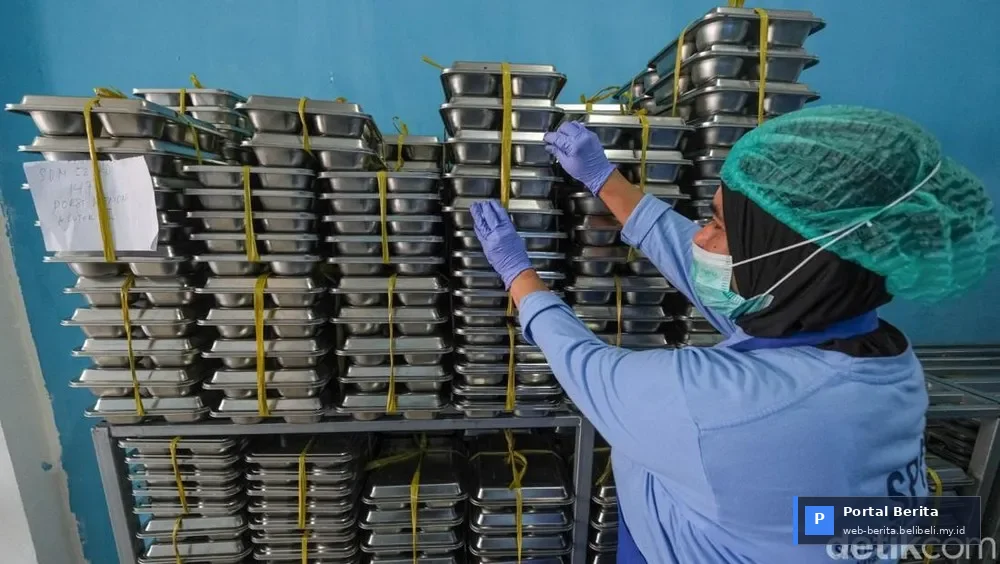
Bima, NTB – Concern has gripped the community in Bima, West Nusa Tenggara, following reports of suspected hepatitis infections affecting a dozen volunteers of the vital Free Nutritious Meal Program (MBG). This program, which serves as a backbone for providing nutritional intake to vulnerable groups, now faces a serious health challenge. Local health authorities are moving swiftly to identify the source of transmission and mitigate the risk of wider spread.
Community health centers (Puskesmas) in Bima have initiated aggressive mass screening operations and contact tracing following the emergence of initial cases. This step is a urgent response to protect public health and ensure the continuity of essential MBG services.
Rapid Identification and Responsive Action
Suspected hepatitis infections were first detected after several MBG volunteers reported symptoms such as fever, nausea, extreme fatigue, and yellowing skin. Given the central role of MBG’s community kitchens in supplying thousands of meal portions daily, any potential risk of transmission becomes a primary concern.
“We are taking proactive steps to identify all contacts and provide intensive education on hygienic practices,” stated Dr. Mira Santoso, Head of the Bima Regency Health Office, during her virtual press conference. “This incident reminds us how crucial sanitation is, especially in vulnerable public service environments like charity kitchens. Our top priority is the health of the volunteers and beneficiaries.”
Preventive Measures and Hygiene Education Strengthened
Health teams from Puskesmas, aided by community health volunteers, are now deployed to conduct rapid hepatitis tests and direct education at MBG kitchen sites and surrounding communities. The primary focus is on raising awareness about proper handwashing, safe food handling, and early identification of hepatitis symptoms.
The local government also plans to conduct a comprehensive sanitation audit of all community kitchen facilities operating under the MBG program. “We will not compromise on hygiene standards. Retraining for all volunteers on the latest health protocols will be implemented immediately,” added Dr. Mira Santoso.
Impact on the Free Nutritious Meal Program
This incident raises concerns about potential disruption to the operations of the highly relied-upon Free Nutritious Meal Program. Temporarily, some kitchens may need to reduce capacity or adopt stricter food handling procedures, including the use of additional personal protective equipment for healthy volunteers.
Nevertheless, the commitment to keeping the program running remains strong. “We will ensure that the food served remains safe and hygienic. This is our commitment to the community,” affirmed Mr. Rizal Effendi, MBG Bima coordinator.
Community Participation in Prevention
The public is urged to play an active role in prevention efforts. Reducing direct contact with sick individuals, maintaining personal and environmental hygiene, and ensuring adequate clean water sources and sanitation are key. Anyone experiencing similar symptoms is urged to seek medical attention immediately.
This outbreak serves as an important reminder of the ongoing challenges in maintaining public health, especially amidst large-scale efforts such as free food provision programs. With close collaboration between the government, medical personnel, and the community, it is hoped that the spread of hepatitis can be quickly controlled and vital services maintained.
FAQ
1. What is hepatitis and how does it spread?
Hepatitis is an inflammation of the liver, often caused by a viral infection. Common types spread through contaminated food or water (Hepatitis A) or through bodily fluids (Hepatitis B and C). In community kitchen settings, Hepatitis A, transmitted via the fecal-oral route, is a primary concern.
2. What actions are the Puskesmas in Bima taking?
The Puskesmas in Bima are conducting mass screenings for volunteers and contact tracing, providing intensive education on hygiene and safe food handling, and coordinating with the Health Office for sanitation audits of the community kitchens.
3. How can the community help prevent transmission?
The community can help by regularly practicing hand hygiene, ensuring food and drinks are cooked or prepared hygienically, avoiding sharing personal eating utensils, and seeking medical attention promptly if they experience symptoms like fever, nausea, or yellowing of the skin/eyes.