🔑 Key Takeaways
- The Indonesian government, through Minister of Energy and Mineral Resources Bahlil Lahadalia, has signaled a potential decrease in non-subsidized fuel prices in 2026, following a downward trend in global crude oil prices.
- This price adjustment is expected to ease the economic burden on consumers and businesses, potentially stimulating national economic growth.
- Despite the potential for a decrease, the government continues to monitor global market fluctuations to maintain domestic energy supply and price stability.
Jakarta, March 12, 2026 – Good news for the Indonesian public heavily reliant on non-subsidized fuel. The Minister of Energy and Mineral Resources (ESDM), Bahlil Lahadalia, recently gave a strong indication regarding the potential for a decrease in non-subsidized fuel prices in 2026. This statement comes amidst ongoing observation of a significant and sustained downward trend in global crude oil prices.
Bahlil Lahadalia explained, “The government consistently monitors global oil price movements meticulously. With the stable downward trend in international crude oil prices during the first half of 2026, we see a significant opportunity to adjust non-subsidized fuel prices to further alleviate the burden on the public. We are currently reviewing related parameters to ensure a precise and balanced decision.”
Impact of Global Oil Prices on Domestic Policy
Non-subsidized fuel prices in Indonesia are highly influenced by global crude oil price fluctuations, the rupiah's exchange rate against the US dollar, and operational and distribution costs. Throughout early 2026, Brent crude oil prices have been observed to hover around US$70-75 per barrel, a significant decrease compared to peak prices in previous years. This condition provides fiscal room for the government and fuel distribution entities to consider price adjustments.
“This is not just about oil prices, but also how we ensure supply sustainability and the purchasing power of the community,” Bahlil added. “A price reduction, if realized, will be a breath of fresh air for the transportation, logistics, and industrial sectors, which are highly sensitive to energy costs.”
Economic Analysis and Consumer Expectations
Dr. Indah Permata, an energy economist from the National Economic Studies Center (PSEN), welcomed the signal from the Ministry of ESDM. “The potential decrease in non-subsidized fuel prices is a positive catalyst for the economy. It can curb inflation, lower production and distribution costs for goods, and increase consumer purchasing power. The positive ripple effect could be substantial, especially for MSMEs that have felt pressure from high logistics costs.”
This potential decrease in non-subsidized fuel prices in 2026 is expected to be one of the drivers for more stable and inclusive national economic growth. Consumers and businesses eagerly await the realization of this price adjustment, which will undoubtedly be met with high enthusiasm across the nation.
❓ Frequently Asked Questions
Q: Which types of fuel are likely to see a price drop?
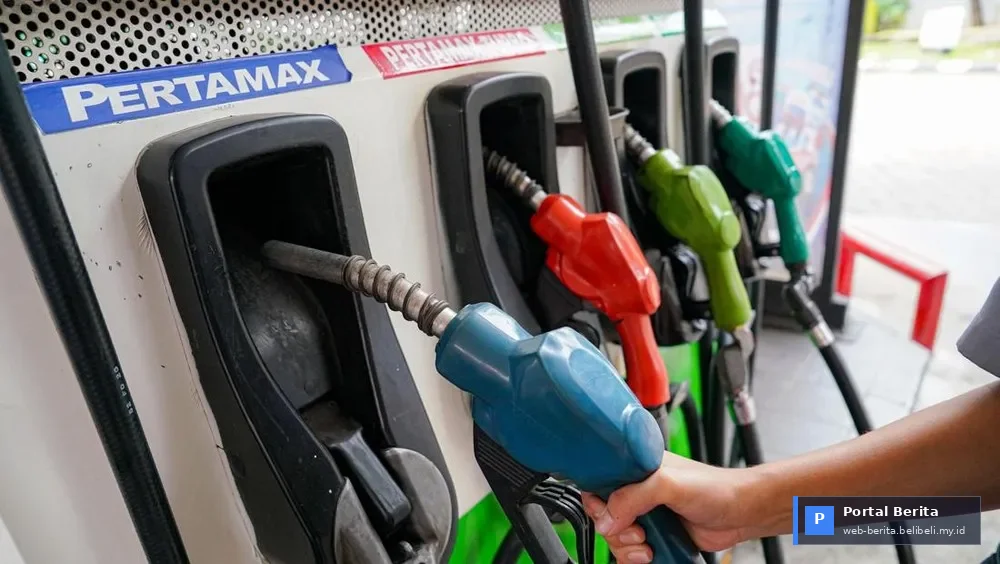
A: Price reductions are likely for non-subsidized fuel types such as Pertamax, Pertamax Turbo, Dexlite, and Pertamina Dex, as well as similar products from other providers.
Q: When is the price drop expected to occur?
A: The Minister of ESDM stated that the government is still in the study phase. Decisions are usually announced after a comprehensive evaluation of global oil price trends and other economic factors.
Q: Will this fuel price reduction be permanent?
A: Non-subsidized fuel prices are volatile and will continue to be adjusted based on global crude oil price dynamics. The current potential price decrease reflects market conditions in early 2026 but may change if global oil prices rise again.