🔑 Key Takeaways
- The Ministry of Energy and Mineral Resources successfully auctioned off coal seized from law enforcement actions in East Kalimantan, generating IDR 20.97 billion in Non-Tax State Revenue (PNBP).
- This auction underscores the government's effective strategy in 2026 to combat illegal mining and secure mineral resources for national prosperity.
- The move sets a significant precedent for managing seized assets and strengthening sustainable mining governance in Indonesia.
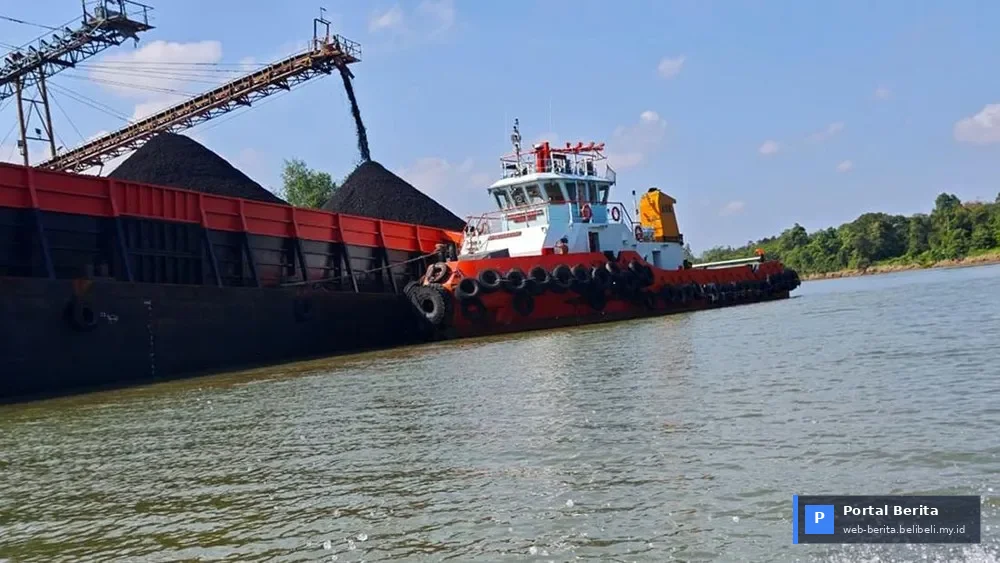
JAKARTA, 2026 – The Indonesian Ministry of Energy and Mineral Resources (ESDM) has successfully recorded a significant inflow to state coffers through the auction of coal obtained from law enforcement seizures. In a recent announcement, Non-Tax State Revenue (PNBP) totaling IDR 20.97 billion was collected from the sale of coal previously confiscated in the East Kalimantan region.
This substantial figure not only reflects the commodity's value but also underscores the government's unwavering commitment in 2026 to combat illegal mining activities that harm the state and the environment. This auction is an integral part of the government's holistic strategy to ensure that Indonesia's mineral resources are utilized responsibly and contribute optimally to national development.
Enhanced Oversight and Law Enforcement
The coal seizure in East Kalimantan is not an isolated incident. Throughout 2026, the government, through the ESDM Ministry and other law enforcement agencies, has proactively intensified oversight of mining activities. These efforts include the use of satellite monitoring technology, more intensive land and sea patrols, and inter-agency collaboration to disrupt the chain of illegal mining operations.
According to the Director-General of Mineral and Coal (Dirjen Minerba) at the ESDM Ministry, Dr. Ir. Budi Santoso, 'The PNBP generated from this seized coal auction is tangible proof of the effectiveness of our law enforcement measures. It also sends a clear message that the state will not tolerate unlicensed mining. The funds collected will be reallocated for development, including infrastructure improvements and community welfare, in line with the Indonesia Emas 2045 vision.'
Economic and Environmental Impact
Economically, these auction proceeds augment state funds that can be utilized for various development programs. From an environmental perspective, cracking down on illegal mining is crucial. Illegal operations often disregard environmental standards, causing severe land degradation, water pollution, and deforestation. By taking firm action and seizing their output, the government not only recovers financial losses but also mitigates environmental damage.
'Every rupiah generated from this auction is a win for better resource governance. It shows that while the challenge of illegal mining persists, the government has the capacity and will to address it effectively,' explained Prof. Dr. Siti Aminah, a resource economics expert from Gadjah Mada University. 'Transparency in the auction process and fund allocation is also crucial to maintaining public trust.'
The Future of Sustainable Mining
The success of this auction is expected to catalyze more vigorous law enforcement actions in the future. The ESDM Ministry is committed to continuously strengthening regulations, enhancing the capacity of law enforcement officials, and promoting responsible mining practices. The focus in 2026 is on investing in clean technology, post-mining land rehabilitation, and empowering communities around mining areas, to realize a truly sustainable mining ecosystem for Indonesia.
Frequently Asked Questions (FAQ)
Q: What is PNBP?
A: PNBP, or Non-Tax State Revenue, refers to all central government revenues that do not originate from taxation, such as mining royalties, fines, service fees, and proceeds from the auction of seized assets.
Q: Why is coal seized and auctioned?
A: Coal is seized because it is the product of illegal or unlicensed mining activities. After due legal process, these seized assets are then auctioned by the state to return their value to the state treasury as PNBP.
Q: How does the government prevent illegal mining?
A: The government employs various measures, including enhanced oversight through satellite technology and patrols, strict law enforcement, inter-agency collaboration, and public education on the importance of legal and responsible mining.