🔑 Key Takeaways
- A significant earthquake has prompted a massive blood donation drive in Bogota, Colombia, highlighting immediate community response.
- Thousands of citizens are showing unprecedented solidarity, queuing at donation centers to ensure a vital supply of lifesaving blood for victims.
- Health authorities emphasize the critical role of these donations in both immediate emergency care and long-term recovery efforts for those affected.
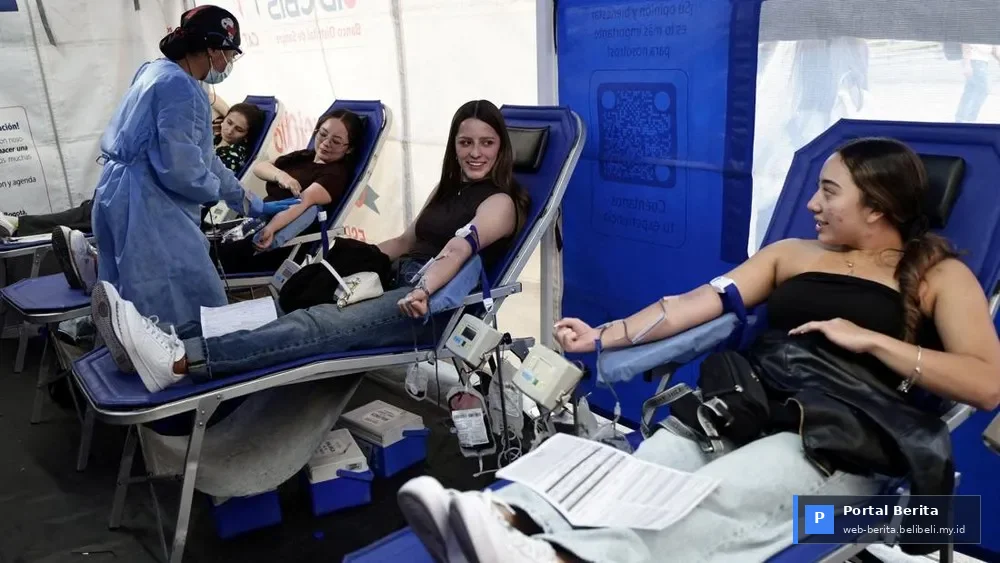
Bogota, Colombia – A powerful earthquake rattled the heart of Bogota this week, leaving a trail of damage and prompting an immediate, overwhelming wave of community solidarity. As emergency services worked tirelessly to rescue trapped individuals and provide initial medical aid, the city's citizens demonstrated an extraordinary commitment to their neighbors, flocking to blood donation centers across the capital.
Reports from the National Blood Bank indicate a surge in donors, far exceeding initial expectations. Lines of compassionate residents, from students to seniors, have been observed extending for blocks outside hospitals and mobile donation units, all united by a single purpose: to provide lifesaving blood for the quake's victims.
The Critical Role of Blood in Disaster Response
“In the immediate aftermath of a major seismic event like this, the demand for blood products skyrockets,” explains Dr. Elena Ramirez, Head of Trauma Surgery at Hospital Universitario Nacional, speaking from a busy triage unit. “Injuries sustained from collapses, falling debris, and other trauma often lead to significant blood loss. Fresh blood, platelets, and plasma are absolutely crucial for stabilizing patients, performing emergency surgeries, and preventing fatalities. The response from the people of Bogota has been nothing short of heroic; it’s directly saving lives as we speak.”
The current challenge for medical facilities is not just the volume of donations but also the rapid processing and distribution to where it is most needed. Advanced logistical systems, bolstered by AI-driven inventory management, are being deployed to ensure efficient allocation across affected hospitals.
Long-Term Needs and Ongoing Support
While the initial rush of donors addresses immediate needs, health officials are also looking ahead. “The need for blood doesn’t stop after the first 72 hours,” states Carolina Mendez, Director of the Colombian Red Cross’s Blood Services. “Many victims will require ongoing transfusions during their recovery, especially those undergoing multiple surgeries or battling post-operative complications. We are immensely grateful for the initial outpouring but urge the community to continue donating in the weeks and months to come, adhering to recommended intervals.”
Community leaders have lauded the resilience and compassion displayed by Bogota’s residents. This collective action not only provides tangible medical aid but also sends a powerful message of unity and hope in the face of adversity. Mobile donation drives are scheduled for various neighborhoods throughout the coming month, making it easier for citizens to contribute to this vital effort. The message is clear: every donation counts, and together, Bogota is rebuilding and healing.
Frequently Asked Questions
Q: Who is eligible to donate blood after the earthquake?
A: Generally, most healthy adults between 18 and 65 years old, weighing over 50 kg, are eligible. Specific criteria regarding recent travel, medications, and health conditions apply. It's best to check with the local blood bank or donation center for detailed guidelines.
Q: How often can one donate blood?
A: Full blood donations can typically be made every 56 days (approximately 8 weeks), while platelet donations can be made more frequently. This interval allows the body to fully replenish its blood components.
Q: Where can I find the nearest blood donation center or mobile drive?
A: Information on active donation centers and schedules for mobile drives is continuously updated on the official websites of the Colombian Red Cross and the National Blood Bank. Local news outlets and social media channels also provide real-time updates.