🔑 Key Takeaways
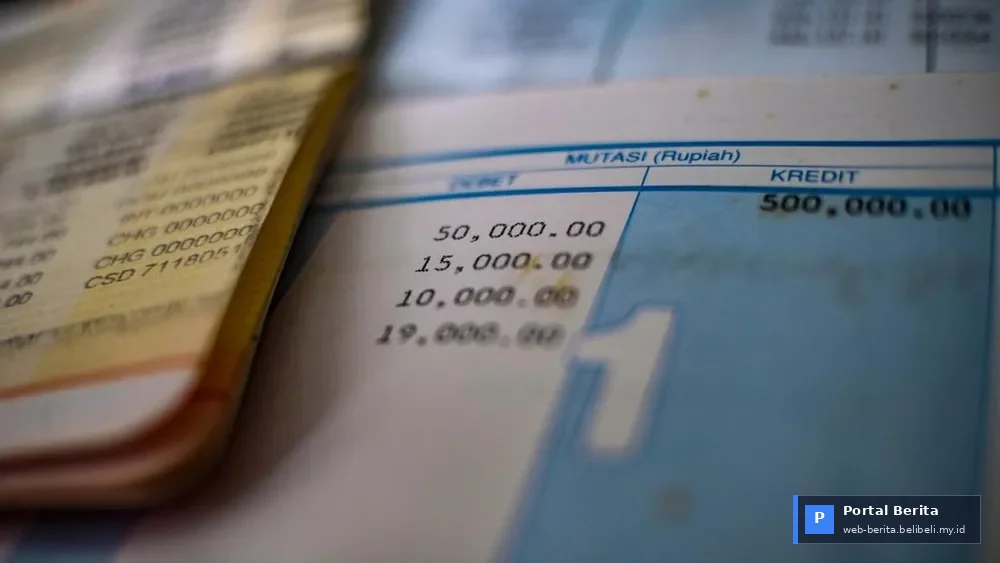
- Indonesia's Financial Services Authority (OJK) and banking sector have successfully blocked over 32,453 bank accounts strongly suspected of involvement in online gambling activities in early 2026.
- This measure is part of a comprehensive government strategy to combat online gambling, leveraging advanced technologies like AI for suspicious transaction detection.
- The initiative aims to protect the public from financial losses, prevent money laundering, and maintain the integrity of the national financial system.
Jakarta, March 12, 2026 – The fight against online gambling (judol) in Indonesia has reached a crucial new phase. The Financial Services Authority (OJK) announced that intensive collaboration with the banking sector has yielded significant results, with over 32,453 bank accounts successfully blocked due to strong indications of involvement in online gambling activities. This figure reflects a sharp escalation in law enforcement and consumer protection efforts in 2026.
Collective Effort to Protect Consumers
"The blocking of tens of thousands of accounts is concrete proof of OJK's and all banks' serious commitment to eradicating the harmful online gambling ecosystem," stated Mahendra S. Nasution, Chairman of the OJK Board of Commissioners, during a virtual press conference today. "We continue to strengthen coordination and leverage technology to identify suspicious transaction patterns more accurately."
This decisive action follows a surge in reports of financial losses suffered by the public due to online gambling addiction. OJK has instructed banks not only to block accounts but also to proactively report new indications to the authorities for further investigation.
Technology and Data Analytics at the Forefront
Indonesian banks are increasingly adopting artificial intelligence (AI) technology and advanced data analytics to detect transactions related to online gambling. "Our systems have been upgraded to recognize specific transaction patterns, such as frequent small transfers to the same accounts, or the use of constantly shifting 'holding accounts'," explained Mr. Budi Santoso, CEO of a leading private bank. "This is not just about blocking; it's also about preventing and educating customers."
OJK also emphasized the importance of public participation. The public is urged to be more vigilant against online gambling offers and to report any suspicious activities related to bank accounts they are aware of.
Economic and Social Impact
The phenomenon of online gambling not only affects individuals but also impacts micro and macroeconomic stability. Trillions of rupiah, which should be circulating in productive sectors, are instead diverted to illegal activities. "Online gambling is a real threat to family financial resilience and the integrity of our financial system," said Dr. Retno Puspita, an economist from the University of Indonesia. "This eradication effort is a long-term investment for a healthier economic future and a more prosperous society."
Through continuous account blocking and consistent law enforcement, it is hoped that a strong deterrent effect can be achieved, breaking the chain of illegal money circulation from online gambling.
Frequently Asked Questions (FAQ)
Q1: What should I do if my account is blocked due to suspected online gambling?
A1: Immediately contact your bank for clarification and provide any necessary evidence if you believe the blocking is unfounded or an error. OJK advises cooperation during the verification process.
Q2: How do banks identify accounts involved in online gambling?
A2: Banks use advanced AI algorithms and data analytics to detect suspicious transaction patterns, such as repeated transfers to unknown entities, transactions with unusual denominations, or the frequent use of changing intermediary accounts.
Q3: Does this mean all accounts involved in online gambling will be blocked?
A3: OJK and the banking sector are continuously working on a massive scale. Priority is given to accounts with strong indications and large transaction volumes. This effort is ongoing and will continue to be expanded.