🔑 Key Takeaways
- Energy and Mineral Resources Minister Bahlil Lahadalia reiterates a zero-tolerance stance against corruption, collusion, and nepotism (KKN) in the Masela Gas Project.
- This strategic national project, located in the Arafura Sea, is now entering its intensive construction phase in 2026, targeting operation by 2030.
- Strict oversight, transparent governance, and fair local involvement are emphasized as critical for the multi-billion dollar project's success and Indonesia's energy sovereignty.
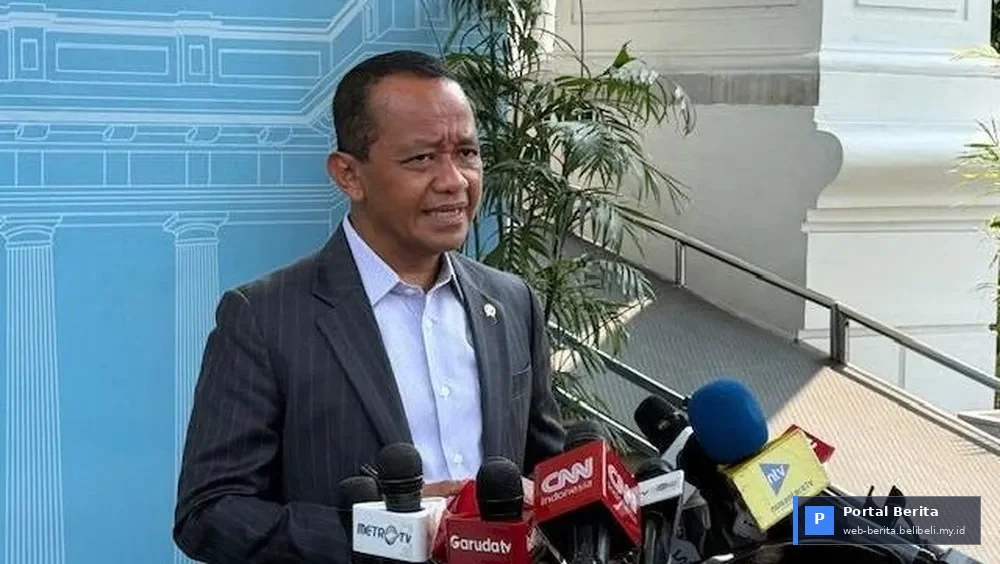
Jakarta, February 12, 2026 – Minister of Energy and Mineral Resources (ESDM) Bahlil Lahadalia has once again issued a stern warning against potential practices of corruption, collusion, and nepotism (KKN) in the development of the Abadi Masela Gas Project. This statement comes amidst the intensive construction activities now underway at the project site, marking a crucial chapter for one of Indonesia's largest energy megaprojects. With an operational target set for 2030, Masela is projected to become a cornerstone of national energy security and an economic driver for eastern Indonesia.
“I want to strongly caution everyone: don't even think about playing with fire with the Masela Project. This is a national asset, the future of our energy, and it must be managed with the highest integrity,” Minister Bahlil asserted during an energy discussion forum in Jakarta. “All parties involved, from contractors to subcontractors and vendors, will be under strict supervision. There is absolutely no room for KKN that could harm the state and impede the progress of this strategic project.”
The Imperative of Transparency in a Critical Phase
The Abadi Masela Field Project, with proven gas reserves exceeding 10.73 trillion cubic feet (TCF), is a vital endeavor to meet domestic gas demand and exports. With tens of billions of US dollars in investment flowing into the development of floating liquefied natural gas (FLNG) facilities and other supporting infrastructure, the 2026 construction phase is particularly vulnerable to unscrupulous practices if oversight is lax.
According to Dr. Citra Dewanti, an energy governance expert from Gadjah Mada University, Minister Bahlil's warning is highly relevant and timely. “During the procurement and construction phases, KKN loopholes often emerge through non-transparent tenders or price mark-ups. The success of the Masela Project isn't just about the volume of gas produced, but also about investor and public trust. Transparency and accountability at every project stage are fundamental to attracting sustainable investment and ensuring benefits are felt widely,” explained Dr. Citra.
Economic Impact and Energy Sovereignty
The government aims for Masela to significantly contribute to the national GDP and create thousands of jobs, both directly and indirectly. The project is expected to boost Indonesia's liquefied natural gas (LNG) production capacity, reduce reliance on energy imports, and strengthen Indonesia's position in the global energy market.
SKK Migas, as the upstream oil and gas regulator, has repeatedly emphasized its commitment to ensuring good corporate governance at every stage of the project. With the participation of world-class energy companies like Inpex Corporation and Pertamina, operational standards and business ethics are expected to be maintained. However, the role of government oversight and public participation remains crucial to prevent deviations.
The strong warning from Minister ESDM Bahlil Lahadalia sends a clear signal that the government will not compromise on KKN practices. It is a promise to ensure that the Masela Gas Project not only succeeds technically and commercially but also serves as an example of clean, efficient, and high-integrity natural resource management for Indonesia's sustainable energy sovereignty.
Frequently Asked Questions (FAQ)
1. What is the status of the Masela Gas Project in 2026?
In 2026, the Masela Gas Project has entered an intensive construction phase, following planning and the final investment decision (FID). The primary focus is on building the floating liquefied natural gas (FLNG) facilities and supporting infrastructure.
2. Why is preventing KKN so crucial for the Masela Project?
Preventing KKN (corruption, collusion, and nepotism) is crucial for the Masela Project because it is a strategic multi-billion dollar investment for the nation. KKN can lead to cost overruns, project delays, quality degradation, significant financial losses for the state, and erode investor and public trust.
3. What are the main economic benefits expected from the Masela Project?
The main economic benefits include increased national GDP, the creation of thousands of jobs, boosted Indonesian LNG production to meet domestic and export needs, and regional economic development in eastern Indonesia.