🔑 Key Takeaways
- Indonesia's mineral exports in 2026 face significant hurdles due to strict regulations concerning Rare Earth Element (REE) content.
- Minister of Energy and Mineral Resources Bahlil emphasizes the urgent need for a comprehensive strategy to separate and refine REEs, fostering domestic value addition.
- The government aims to resolve these bottlenecks through technological investment and policies that balance downstreaming ambitions with smooth global supply chains.
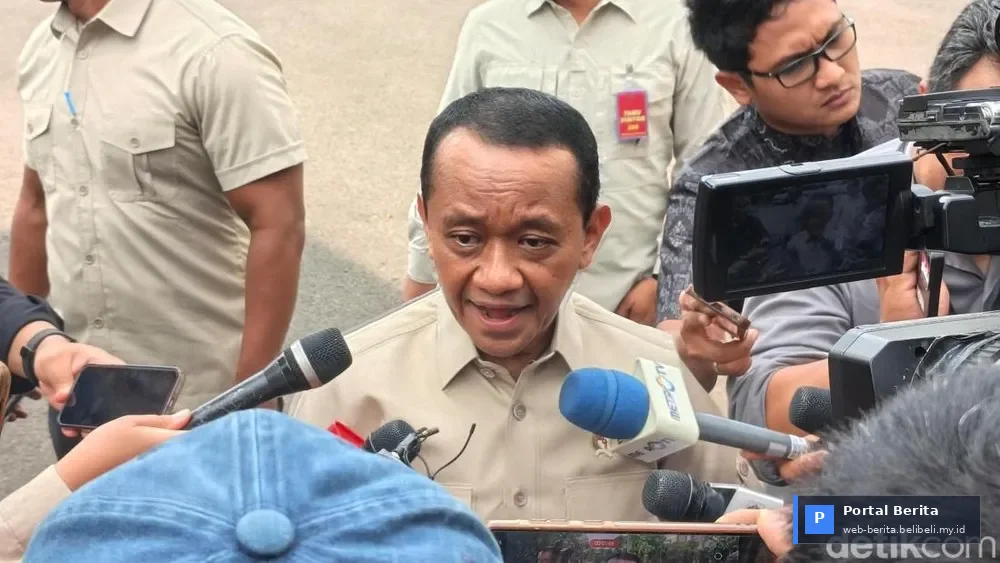
JAKARTA, July 22, 2026 – Indonesia's mineral export sector is navigating new complexities in mid-2026. Minister of Energy and Mineral Resources, Bahlil Lahadalia, has once again highlighted the significant challenges arising from the presence of Rare Earth Elements (REEs) in other mineral concentrates. This situation is reported to be slowing down export processes and necessitates a strategic response from the government.
During a panel discussion on sustainable mining industries, Minister Bahlil explained that several Indonesian mineral shipments, such as bauxite and nickel, are still experiencing delays at destination ports. "The content of Rare Earth Elements within primary minerals often triggers stricter import regulations from destination countries, primarily due to REEs' status as a global strategic commodity," he stated.
Urgency of REE Separation and Downstreaming
The escalating global demand for REEs, which are crucial components in advanced technologies—ranging from electric vehicles to electronic devices and defense systems—makes every grain of REE highly valuable. For Indonesia, rich in REE potential, this challenge simultaneously presents a golden opportunity.
"This is not merely a technical export issue, but also a significant opportunity for deeper downstreaming," Bahlil asserted. "We cannot continue to export raw minerals that may contain REEs without optimally utilizing them. In 2026, our focus is on how we can separate and refine REEs domestically, multiplying their value many times over before export."
Mineral economic observer from the University of Indonesia, Dr. Indah Permata, commented, "These export obstacles indeed reflect the highly sensitive dynamics of the global REE market. Importing countries are now much more stringent in monitoring supplies for the security of their strategic value chains. For Indonesia, this is an indirect push to accelerate investment in REE separation and refining technologies, which admittedly require high costs and expertise."
Government Strategy for 2026 and Beyond
To overcome these hurdles, the Ministry of Energy and Mineral Resources, alongside relevant ministries, is reportedly finalizing a more aggressive roadmap. The focus is on attracting investment in REE refining facilities in several key mineral production centers. "We must be able to create an integrated industrial ecosystem where REEs no longer impede exports but become our flagship products," Bahlil explained.
Furthermore, the government is also evaluating incentives for mining companies that invest in REE separation technologies, and strengthening coordination with trading partner countries to reach a mutual understanding regarding standards and procedures for mineral export-import with REE content. It is hoped that by the end of 2026, a more solid framework will be established, enabling Indonesia to maximize its mineral potential in an increasingly competitive global market.
Frequently Asked Questions (FAQ)
1. What are Rare Earth Elements (REEs) and why are they important?
Rare Earth Elements (REEs) are a group of 17 chemical elements with unique properties, critical for various modern technologies such as electric vehicles, wind turbines, advanced electronics, and military equipment.
2. How are REEs affecting Indonesia's mineral exports in 2026?
The presence of REEs in Indonesia's primary mineral exports, like bauxite and nickel, is leading to stricter import regulations by destination countries due to REEs being considered strategic commodities, thereby slowing or holding up shipments.
3. What steps is Indonesia taking to address this issue?
In 2026, the Indonesian government is developing an aggressive roadmap to attract investment in domestic REE refining facilities, providing industry incentives, and coordinating with partner countries to harmonize export-import standards, aiming to enhance the domestic value of its minerals.