🔑 Key Takeaways
- The Indonesian government, through the Ministry of Energy and Mineral Resources (ESDM), is actively offering seven strategic, large-scale Solar Power Plant (PLTS) projects to private investors.
- These projects are advanced under an Independent Power Producer (IPP) scheme with competitive tenders, forming a crucial part of the ambitious 100 GWp national solar capacity target to be pursued within the next three years.
- PT Danantara Energi is positioned as a strategic entity to take over projects if they fail to attract sufficient private interest, ensuring the momentum of the energy transition is maintained.
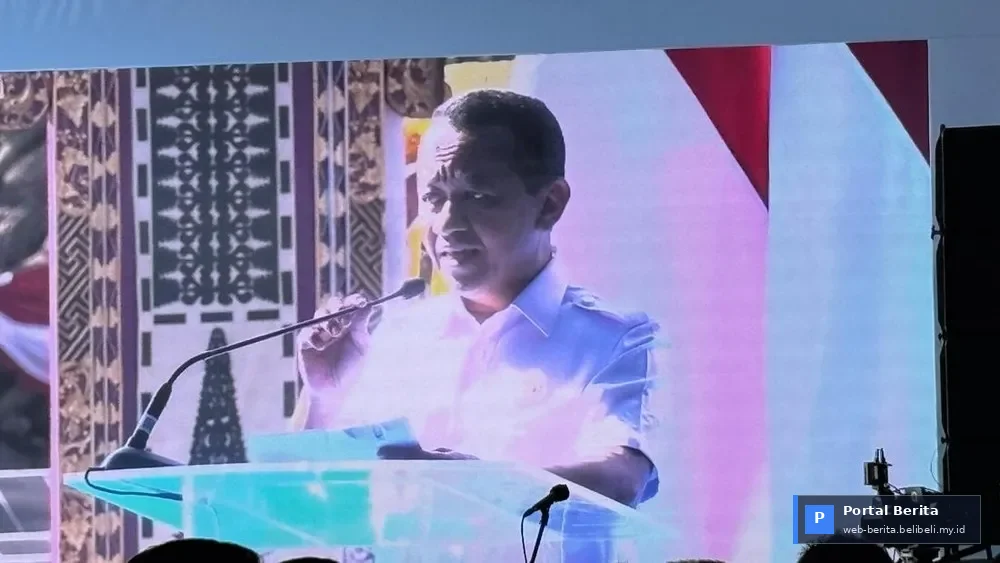
JAKARTA, 2026 – Indonesia is firmly advancing its path towards a clean energy future, opening wide doors for private investment in the solar energy sector. Minister of Energy and Mineral Resources (ESDM), Bahlil Lahadalia, recently announced the offering of seven strategic Solar Power Plant (PLTS) projects to private Independent Power Producers (IPPs), signifying the nation's serious commitment to decarbonization and energy security.
This initiative is a crucial component of the national strategy to achieve an ambitious target of 100 Gigawatt peak (GWp) of solar energy capacity, to be rapidly developed within the next three years, positioning Indonesia as a key renewable energy leader in Southeast Asia.
Vast Potential of Seven PLTS Projects for Private Investors
The seven PLTS projects on offer are strategically located across the archipelago, designed to maximize Indonesia's abundant solar irradiation potential and meet the continuously growing electricity demand. Through the IPP scheme, the government aims to attract experienced financiers and developers, both domestic and international. “This is a golden opportunity for private investors to not only participate in Indonesia's economic growth but also to be part of the global climate change solution,” stated Bahlil Lahadalia during a press conference in Jakarta.
A competitive tender scheme will be implemented to ensure transparency, efficiency, and the most optimal electricity pricing for consumers. Investors are expected to bring cutting-edge technology, best practices, and strong financial capacity to realize these large-scale projects.
Danantara Energi as a Safety Net
In a proactive move to guarantee project continuity, the government has also prepared PT Danantara Energi to act as a 'buyer of last resort' or the responsible party if these projects do not attract sufficient interest in the private market. Danantara Energi's role underscores the government's commitment that these vital energy projects will not be left undeveloped. “Danantara's presence is our safety net. It sends a strong signal to the market that the government is serious and ready to support the energy transition, come what may,” Bahlil added.
Energy analyst from Horizon Consultancies, Dr. Aisha Rahman, highlighted the importance of this role. “This hybrid model, where the government is prepared to step in through its entity, provides much-needed investment certainty. It de-risks private participation and accelerates development, a highly effective pragmatic approach for a developing nation with ambitious renewable energy targets,” she explained.
Chasing the 100 GWp Target: Indonesia's Energy Vision 2029
The 100 GWp target within the next three years, meaning by 2029, demonstrates the scale of Indonesia's ambition. This is not just about increasing electricity generation capacity but also about creating a robust industrial ecosystem, including solar panel manufacturing, skilled workforce development, and smart technology integration into the national grid. Investment in these seven PLTS projects is expected to trigger a multiplier effect, boosting local economic growth, creating thousands of new jobs, and significantly reducing the nation's carbon emissions.
With strong policy support, a conducive regulatory framework, and the presence of Danantara Energi as a safety net, Indonesia is poised to become a beacon for solar energy investment in Asia. These projects are not just about electricity; they are about a greener, more stable, and more prosperous future for the entire nation.
❓ Frequently Asked Questions
- What is the main objective of the Indonesian government in offering these 7 PLTS projects?
The objective is to attract private investment in solar energy infrastructure development, accelerate the achievement of the 100 GWp national solar capacity target, and support Indonesia's clean energy transition. - How does the Independent Power Producer (IPP) scheme work in this context?
Under the IPP scheme, a private company will build, own, and operate power plants, then sell the generated electricity to PLN (the state-owned electricity company) or other off-takers through long-term agreements. - What is the role of PT Danantara Energi in these PLTS projects?
PT Danantara Energi acts as a 'buyer of last resort' or the project guarantor. This means if the offered PLTS projects do not attract sufficient interest from private investors, Danantara Energi will take over to ensure development proceeds.