🔑 Key Takeaways
- In 2026, the Indonesian government is tightening its ban on raw Rare Earth Element (REE) exports, mandating full domestic downstream processing.
- This move aims to significantly boost economic value, create high-tech jobs, and attract foreign investment in a strategic sector.
- The policy's implementation is expected to position Indonesia as a key player in the global REE supply chain, mirroring its success with nickel downstreaming.
JAKARTA – Indonesia’s ambition to become a natural resource-based industrial powerhouse is strengthening in 2026, with the government intensifying its efforts to downstream Rare Earth Elements (REE). Minister of Energy and Mineral Resources (ESDM) Bahlil Lahadalia confirmed that the technical regulatory framework for banning raw REE exports is now nearly final and ready for full implementation, signaling a new era for the domestic processing of strategic minerals.
This policy, a continuation of the successful nickel downstreaming strategy, is designed to ensure that Indonesia no longer merely supplies raw materials to the global market. Instead, Indonesia is determined to become a producer of high-value components essential for advanced technology industries, electric vehicles, renewable energy, and the global defense sector.
Boosting National Economic Value
This progressive step is expected to provide a significant boost to the national economy. By processing REE from concentrate to ready-to-use end products, Indonesia can capture much larger profit margins. “We will no longer be selling sand, but rather chips, magnets, or even high-tech battery components,” said a senior official from the Ministry of ESDM, who wished to remain anonymous, outlining the government’s vision. This is projected to create thousands of new jobs requiring specialized skills, while also fostering technology transfer and innovation in the manufacturing sector.
Dr. Kartika Dewi, an economic analyst from the Center for Digital Economy Studies (PSED), expressed optimism. “REE downstreaming is a logical and strategic move. Amid a surge in global demand for green technology and advanced electronics, having indigenous REE processing capacity will give Indonesia tremendous geopolitical and economic leverage. It’s a replication of the nickel success, but with more complex technological challenges,” explained Dr. Dewi.
Challenges and Investment Opportunities
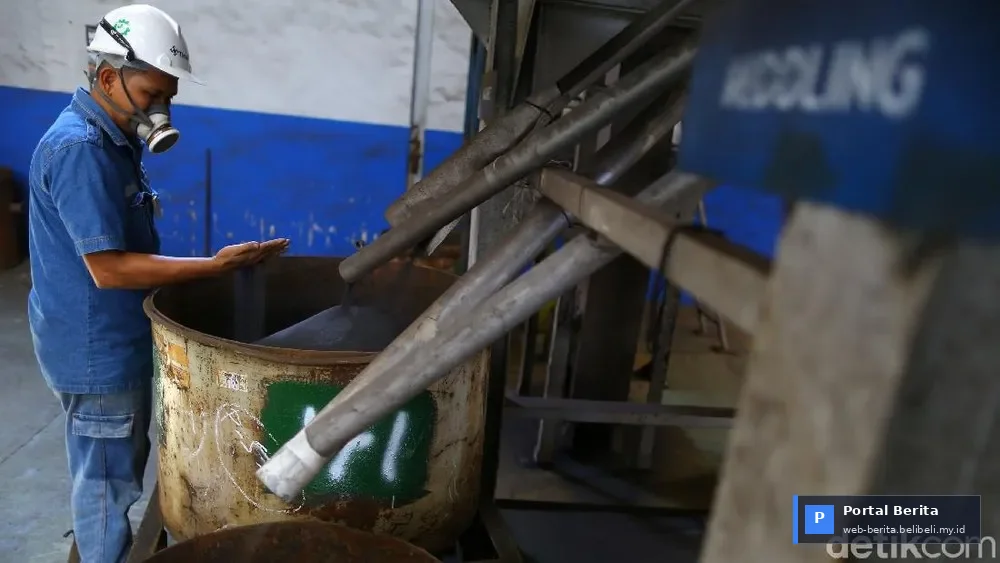
Despite the significant potential gains, the government acknowledges serious challenges. Developing REE processing facilities requires substantial investment, both in capital and advanced technology. Furthermore, REE processing is known to be complex and has environmental implications that need to be managed with extreme care.
To address these, the government is actively inviting foreign investors with technological expertise and capital. Various tax incentives and streamlined permitting processes have been prepared to attract global companies to invest in REE downstreaming projects in Indonesia. The target is for Indonesia to have several fully integrated REE processing facilities operational by the end of this decade.
“The government is fully committed to creating a conducive investment climate. We guarantee legal certainty and adequate infrastructure support for any investor willing to collaborate in realizing this REE downstreaming vision,” added Minister Bahlil Lahadalia during a recent virtual press conference.
Indonesia’s Position in the Global Supply Chain
With significant REE reserves and an aggressive downstreaming policy, Indonesia has the potential to reshape the competitive landscape of the global supply chain. Currently, a few nations dominate REE production and processing. Indonesia’s move is expected to create supply source diversification, which is highly anticipated by developed nations increasingly concerned about dependence on one or two producers.
The success of the REE downstreaming strategy will be a crucial pillar for the Indonesia Emas 2045 vision, propelling the nation to become one of the world’s leading economic powers, supported by high value-added industries.
Frequently Asked Questions
- What are Rare Earth Elements (REE)?
Rare Earth Elements (REE) are a group of 17 chemical elements with unique properties crucial for various high-tech applications, including permanent magnets, electronics, electric vehicles, and defense technology.
- Why is Indonesia banning raw REE exports?
The ban on raw REE exports aims to mandate domestic processing and refining of REE. This will increase the value-added of exported products, create jobs, attract investment, and establish Indonesia as a key player in the global supply chain.
- What are the main challenges in REE downstreaming in Indonesia?
Key challenges include the need for significant investment in advanced processing facilities, technology transfer, development of skilled human resources, and careful management of the environmental impact from REE extraction and refining processes.