🔑 Key Takeaways
- The Indonesian government has allocated a staggering Rp 820 trillion for the 2027 fiscal year's education budget, signaling a strong commitment to human resource development.
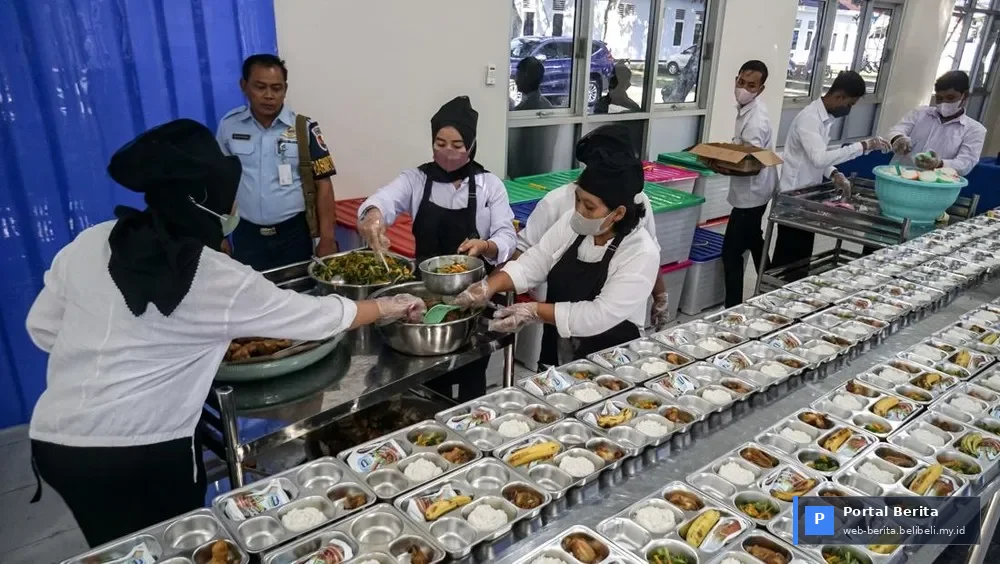
- Of this amount, Rp 240 trillion is specifically dedicated to the Free Nutritious Meals (MBG) Program, aiming to boost children's health and learning quality.
- This move is seen as a strategic long-term investment to combat malnutrition, enhance academic achievement, and support the vision of Golden Indonesia 2045.
JAKARTA – Finance Minister Purbaya Yudhi Sadewa announced in late 2026 a monumental budget allocation for the education sector and other vital programs for the 2027 fiscal year. The total education budget is set at an astonishing Rp 820 trillion, a significant surge reflecting the government's firm commitment to building a foundation of superior human resources. Furthermore, out of this total, Rp 240 trillion will be specifically dedicated to the implementation of the Free Nutritious Meals (MBG) Program.
This announcement comes amid intensive discussions regarding national budget priorities and the effectiveness of government investments. With such a substantial portion, the MBG program is not merely a social initiative but also a long-term macroeconomic strategy to strengthen the capabilities of Indonesia's future generations.
Strategic Vision Behind the Massive Figures
The Rp 820 trillion for education encompasses various crucial aspects, ranging from enhancing teacher quality and school facilities, developing adaptive curricula, to investing in educational technology. However, the Rp 240 trillion allocated to MBG highlights the government's focus on health and nutrition as primary prerequisites for educational success.
“This is an intelligent investment with a double impact. Every rupiah invested in children's nutrition and education will yield manifold returns in the form of increased productivity, innovation, and public health in the future,” stated Dr. Citra Lestari, a public policy economist from Nusantara University, in an exclusive interview. She added that this program could be a catalyst for poverty alleviation and reducing inequality.
Direct Benefits of the Free Nutritious Meals Program
The MBG program is designed to reach millions of children across Indonesia, particularly those in vulnerable areas. Its goals are to reduce stunting rates, improve learning concentration, and ensure every child has sufficient energy to participate in lessons.
Professor Budi Santoso, a child education expert from the National Institute of Education, emphasized the importance of nutrition for cognitive development. “Good nutrition is the bedrock of effective learning. With MBG, we anticipate a decrease in school dropouts and a significant uplift in academic achievement, especially at the primary and secondary education levels,” he explained. “This isn't just about feeding; it's about building healthy, intelligent brains.”
Challenges and Oversight Mechanisms
This massive budget allocation naturally comes with challenges in implementation and oversight. Finance Minister Purbaya Yudhi Sadewa affirmed the government's commitment to ensuring transparency and accountability. “We will implement a layered oversight system involving local governments, non-governmental organizations, and active participation from school communities,” said Minister Purbaya. “The goal is for every rupiah to reach its intended target and provide maximum impact for our children.”
The mechanism for distributing nutritious meals will involve collaboration with local Micro, Small, and Medium Enterprises (MSMEs) to support regional economies. Diversification of meal menus will also be a priority to meet balanced nutritional needs, adapted to the local wisdom of each region.
Towards Golden Indonesia 2045
These education and MBG programs are an integral part of the government's long-term vision to realize Golden Indonesia 2045, where Indonesia possesses a competitive and globally competent workforce. With strong investment in children's education and health from an early age, it is hoped that Indonesia can nurture future generations who are not only intelligent but also healthy and productive, ready to face future challenges.
Frequently Asked Questions About the 2027 Education and MBG Budget
- What is the Free Nutritious Meals (MBG) Program?
The MBG Program is a government initiative to provide free nutritious meals to millions of schoolchildren across Indonesia, aiming to improve health, reduce stunting, and support learning performance.
- Who are the primary beneficiaries of the 2027 MBG Program?
The program targets schoolchildren across various educational levels, with priority given to areas with high nutritional vulnerability and schools in rural and remote regions.
- How will the government ensure the effectiveness and transparency of MBG budget utilization?
The government will implement a layered oversight system involving local governments, non-governmental organizations, and regular audits. Collaboration with local MSMEs will also be monitored to ensure quality and positive economic impact.