🔑 Key Takeaways
- Yoga is proven effective as a natural solution to combat overthinking and enhance sleep quality in the 2026 digital age.
- Regular yoga practice, even just a few simple poses before bed, can calm the nervous system and relax the mind.
- Seven gentle yoga movements focus on breathwork and mild stretching, helping release physical and mental tension and preparing the body for optimal rest.
In the whirlwind of modern life in 2026, where information flows incessantly and professional and personal demands grow more complex, overthinking and poor sleep quality have become common complaints. Recent studies from the Global Wellness Institute indicate that 65% of individuals report sleep difficulties at least three times a week, often triggered by an overactive mind. However, a time-tested solution, increasingly relevant this year, is yoga.
Dr. Evelyn Reed, a leading neurologist and sleep health specialist at the New York Wellness Institute, explains, “Overthinking triggers the body's stress response, elevating cortisol and adrenaline, which are highly counterproductive to sleep. Yoga, through its combination of movement, breathwork, and mental focus, effectively calms the parasympathetic nervous system, preparing the body for rest. It’s not just exercise; it's a holistic practice for balance.”
Why Is Yoga So Effective?
Yoga doesn't just train the body; it trains the mind. Gentle movements and a focus on breath (pranayama) help shift attention away from endless negative thought loops or worries. When we concentrate on our body and breath, our minds naturally quiet down. Stretching also releases muscular tension that often accumulates from stress, helping the body feel more relaxed overall.
7 Simple Evening Yoga Poses
You don't need to be a professional yogi to reap the benefits. Just 10-15 minutes before bed can transform your night's rest. Here are some simple recommended movements:
- Cat-Cow Pose (Marjaryasana-Bitilasana): This gentle movement helps loosen the spine and relieve tension in the back, while linking movement with breath.
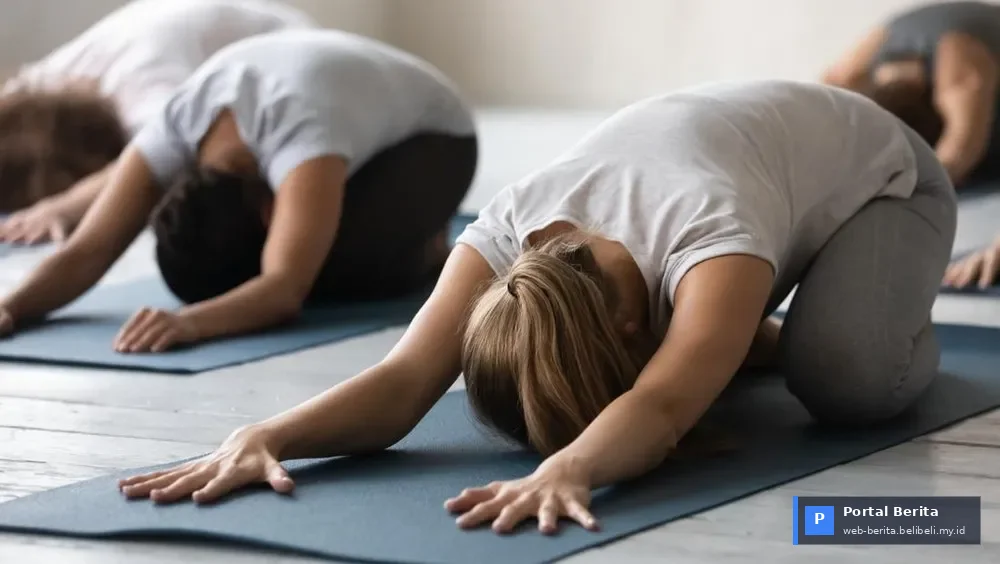
- Child’s Pose (Balasana): This calming pose reduces stress and anxiety, stretches the hips, thighs, and ankles, and quiets the brain.
- Legs-Up-The-Wall Pose (Viparita Karani): A restorative pose that helps calm the nervous system, alleviate fatigue, and soothe tired legs or a sore back.
- Supine Spinal Twist (Supta Matsyendrasana): This gentle stretching pose relieves tension in the lower back and hips, facilitating deep relaxation.
- Happy Baby Pose (Ananda Balasana): Opens the hips and releases the lower back, often described as a joyful and soothing pose.
- Reclined Bound Angle Pose (Supta Baddha Konasana): Opens the hips and groin, easing tension and encouraging relaxation.
- Corpse Pose (Savasana): The essential final relaxation pose. Lie on your back with eyes closed, allowing your body to fully relax, and feel your deep, calm breath.
Start Your Practice in 2026
Consistency is key. Begin by choosing two to three movements you enjoy most and practice them every night. Over time, you’ll notice a significant change in your ability to manage overthinking and enjoy much more restful sleep. “In 2026, the best investment in health is one that empowers you to find inner calm,” concludes Dr. Reed.
Frequently Asked Questions
1. How long does it take to see results from yoga for sleep?
Many people feel immediate relaxation benefits after just one session. However, for long-term improvement in sleep quality and overthinking management, consistent practice over several weeks to months will show more significant results.
2. Do I need special equipment to start these yoga poses?
Not necessarily. A yoga mat is highly recommended for comfort, but you can start with a towel or a comfortable surface on the floor. Loose-fitting clothing is also important.
3. Can yoga help me if I have chronic sleep problems?
Yoga can be an excellent supportive tool. However, if you have severe chronic sleep issues, it's advisable to consult a healthcare professional for a comprehensive diagnosis and treatment plan. Yoga can complement medical treatment.