🔑 Key Takeaways
- A viral video from a Japanese hospital in 2026 captures the extraordinary bravery of a medical team protecting a surgical patient as a high-magnitude earthquake struck.
- The surgical team swiftly enacted emergency protocols and professional instincts to form a human shield over the patient, preventing serious injury amidst the chaos.
- This incident highlights Japan's world-class disaster preparedness training and underscores the indispensable human element in crisis response, even in an age of advanced technology.
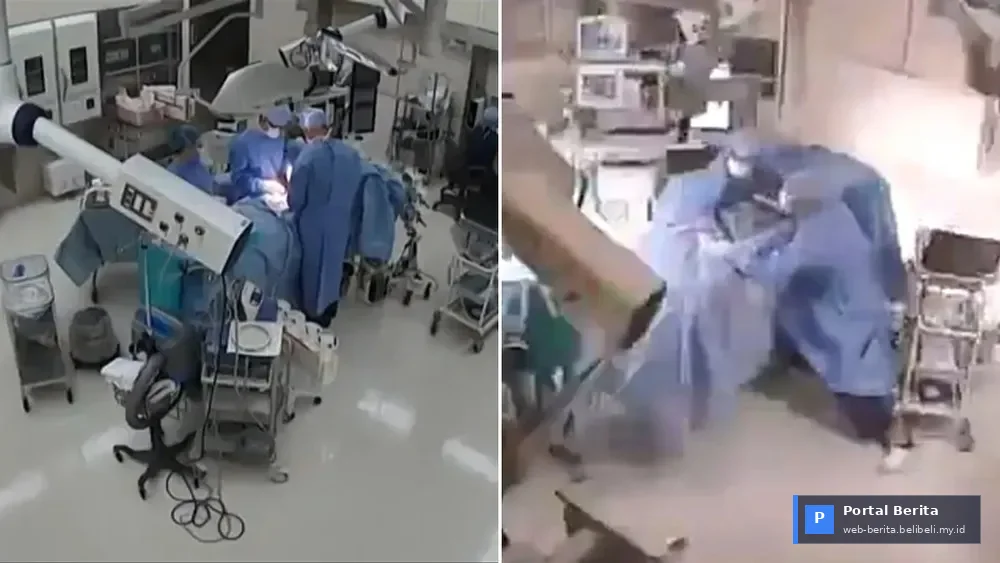
TOKYO – The world was gripped by a profoundly moving video from a Japanese operating room that rapidly went viral across social media platforms in early 2026. The footage captured an incredible moment where a surgical team and nurses, without hesitation, put themselves at risk to shield a patient undergoing surgery as a powerful earthquake rattled the facility.
This incident, occurring amidst a series of significant seismic events in Japan's coastal regions in January 2026, serves not only as a stark reminder of our vulnerability to natural forces but also as a powerful testament to the exceptional dedication of medical professionals.
Harrowing Moments in the Operating Room
The less-than-two-minute video clip begins with the routine scene of an ongoing operation. Suddenly, the room is violently shaken. Lights swing wildly, and medical equipment rattles loudly. Within seconds, instead of succumbing to panic, the doctors and nurses at the operating table exhibited a stunning response.
The lead surgeon immediately positioned himself over the patient's body, bending to form a human shield. His colleagues, including the anaesthetist and surgical assistants, swiftly followed suit, stabilizing the operating table and bracing the lead doctor's body, protecting the patient's head area. These actions unfolded amid intense tremors that even caused several smaller instruments to fall from nearby trolleys. Their decisiveness and coordinated movements demonstrated an extraordinary level of training and composure under crisis.
Training and Instinct: A Professional Response
“What we witnessed in that video is the culmination of years of training and a deep-seated commitment,” stated Dr. Hiroshi Sato, a senior surgeon and medical emergency protocol instructor at the University of Tokyo, in an interview. “In Japan, every medical personnel is intensely trained for disaster scenarios, including earthquakes. The primary priority is always patient safety. The instinct to protect, which we saw captured, is a direct result of repeated drills and a strong professional ethos.”
Dr. Sato explained that Japan's hospital protocols, refined over decades, indeed include specific guidelines for protecting patients on the operating table. This encompasses protective body positioning, securing critical equipment, and prioritized evacuation once the tremors subside. “While we have advanced earthquake early warning systems that provide precious seconds for preparation, the speed of manual response remains critical,” he added.
Psychological Impact and Global Appreciation
This act of bravery has sparked a global wave of appreciation, with many commending the medical team's professionalism and selflessness. Thousands of comments on social media highlighted their 'true heroism' and 'humanitarian inspiration.' Mental health experts also emphasized the psychological toll such professionals might endure. “Being on the front lines of such a crisis, while maintaining focus on the life in their hands, demands immense mental resilience,” explained Dr. Akiko Tanaka, a clinical psychologist specializing in post-disaster trauma.
The incident serves as a powerful reminder that even as early warning technologies and earthquake-resistant infrastructure continue to advance in Japan in 2026, the human element—courage, dedication, and the instinct to serve—remains our strongest bulwark against unpredictable natural threats.
Frequently Asked Questions
Q: What happened in the viral footage?
A: Viral footage from 2026 shows a surgical team and nurses in a Japanese hospital heroically shielding a patient undergoing surgery by forming a human barrier during a powerful earthquake.
Q: Why was the medical team's action so remarkable?
A: Their actions demonstrated exceptional professionalism, intensive disaster preparedness training, and a strong instinct to prioritize patient safety amidst a highly dangerous and unpredictable situation.
Q: What role does training play in such situations in Japan?
A: Emergency protocols and regular drills are key. Japanese medical teams undergo rigorous training for disaster scenarios, ensuring they can respond quickly and effectively even under extreme pressure, as seen in this incident.