🔑 Key Takeaways
- The Indonesian government officially implemented a 0% import duty policy for plastic raw materials as of January 2026.
- This measure aims to significantly boost the competitiveness of the national plastic manufacturing industry, reduce production costs, and attract new investments.
- Sectors such as packaging, automotive, and electronics are projected to see substantial positive impacts on product efficiency and innovation.
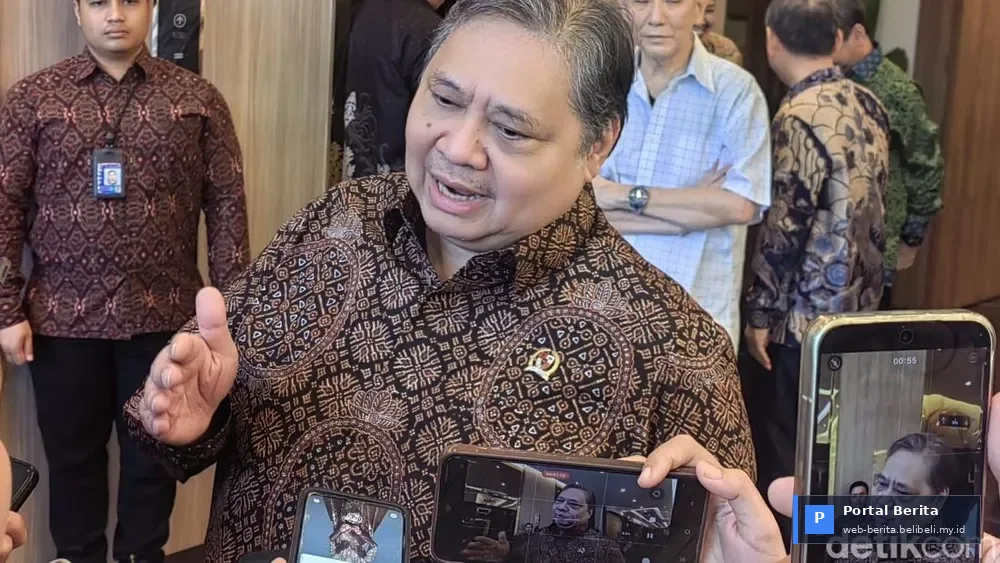
Jakarta, February 15, 2026 – Indonesia's national plastic manufacturing industry is experiencing a significant boost following the full implementation of a 0% import duty policy for plastic raw materials. This long-anticipated Finance Minister Regulation, a direct outcome of persistent advocacy by Coordinating Minister for Economic Affairs Airlangga Hartarto, officially took effect at the beginning of 2026. The policy is expected to act as a crucial catalyst for the growth of the manufacturing sector across the archipelago, positioning Indonesia more competitively on the global stage.
This strategic move is more than just a fiscal incentive; it's a vital pillar in the government's roadmap for Industry 4.0. For years, high import duties on raw materials have been a significant burden for local producers, hindering their ability to compete with products from neighboring countries that benefit from lower cost structures. With the elimination of these duties, production costs are projected to decrease substantially, opening avenues for innovation, quality improvement, and more aggressive market expansion.
Economic Impact and Expert Perspectives
Dr. Indah Permata, a senior economist at the University of Indonesia, describes the policy as a “progressive and crucial step to maintain national economic growth momentum in 2026 and beyond.” She notes, “The cost efficiencies gained will enable plastic companies to invest more in advanced technologies and human resource development, ultimately enhancing the value addition and quality of our plastic products, making them more attractive in international markets.”
Echoing this sentiment, Budi Santoso, Chairman of the National Plastic Industry Association (AINAPLAS), expressed optimism. “We project a 5-10% reduction in production costs for several product types, depending on their imported raw material composition. This will directly translate into more competitive selling prices and our ability to penetrate export markets that were previously challenging,” Santoso stated. He added that the packaging, automotive components, and electronics sectors would be primary beneficiaries of this regulatory change, potentially creating thousands of new jobs across the value chain.
Challenges and Future Outlook
Despite the bright prospects, both the government and industry players must continuously monitor the policy's implementation carefully. Future challenges include ensuring a stable raw material supply, promoting the use of high-quality recycled materials in production processes, and preventing potential dumping practices by foreign producers who might attempt to capitalize on the more open market. The Ministry of Industry has underscored its commitment to supporting local industries in leveraging this opportunity, including through downstreaming programs and boosting domestic production capacity, while also maintaining a balance with environmental sustainability aspects.
The government's vision through this policy is to create a more self-reliant, globally competitive, and sustainable industrial ecosystem. By focusing on increasing investment and exports, Indonesia aims to become a key player in the global manufacturing supply chain by the end of this decade. This 0% import duty policy represents a significant investment in the future of a resilient and innovative national industry.
Frequently Asked Questions (FAQ)
Q: When did the 0% import duty policy officially become effective?
A: The 0% import duty policy for plastic raw materials officially came into full effect starting January 2026, following the issuance of the relevant Finance Minister Regulation.
Q: Which industrial sectors will benefit most from this policy?
A: The packaging, automotive components, electronics, plastic household goods, and other consumer product sectors are expected to reap the most significant benefits through reduced production costs and enhanced competitiveness.
Q: How does this policy support sustainability goals in Indonesia?
A: While its primary focus is economic competitiveness, the resulting cost efficiencies can provide companies more room to invest in greener production technologies, innovations in recycled raw materials, and more sustainable manufacturing practices.