🔑 Key Takeaways
- The National Nutrition Agency (BGN) has taken decisive action, dismissing 66 Heads of Nutrition Program Implementation Units (SPPG) across Indonesia.
- This decision follows extensive investigations revealing indisciplinary actions and direct involvement in recurring food poisoning incidents that jeopardized public health.
- BGN is committed to reforming the national food and nutrition oversight system, including integrating advanced technology and enhancing accountability at every level.
Jakarta, February 21, 2026 – A significant shake-up hit the national health and nutrition sector today as the National Nutrition Agency (BGN) announced the dismissal of 66 Heads of its Nutrition Program Implementation Units (SPPG). This drastic decision comes after a series of in-depth investigations that uncovered serious indisciplinary actions and direct involvement in recurring food poisoning cases that have caused widespread public concern.
Peak Accountability Amidst Food Crisis
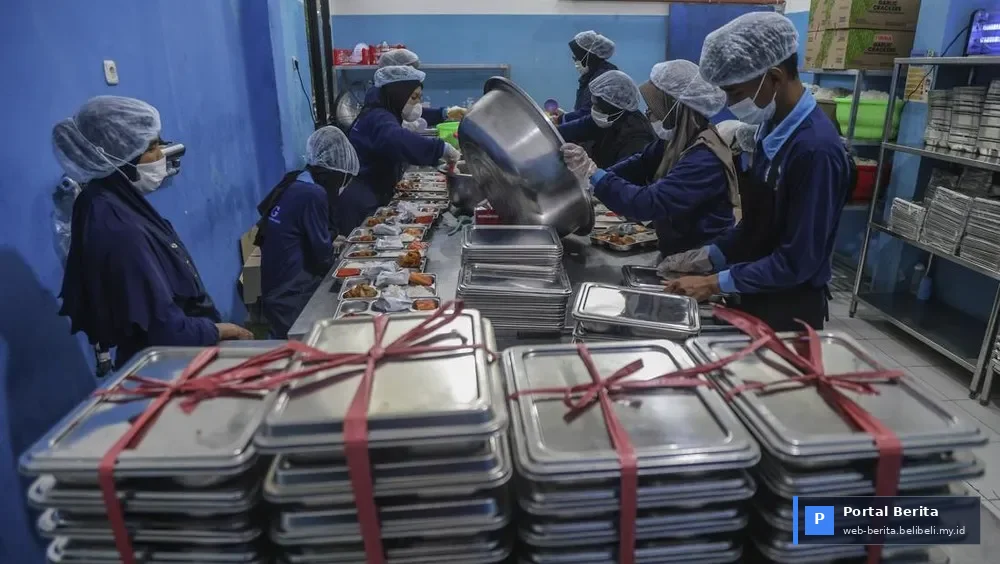
These 'dishonorable' terminations underscore BGN's commitment to eradicating negligence and non-compliance within the public nutrition service system. The recurring poisoning cases predominantly occurred in community nutrition programs and public eating facilities under SPPG oversight, such as school canteens, shelters, and emergency public kitchens. These incidents not only led to mass health disturbances but also eroded public trust in existing food safety standards.
Dr. Sri Mulyati, Director-General of BGN, stated in an online press conference, "This decision was not an easy one, but it is absolutely essential to protect the health of millions of our citizens. We will not tolerate negligence or indiscipline that endangers the public, especially concerning food safety. Each SPPG Head bears significant responsibility for ensuring the highest standards of hygiene and safety. The recurring poisoning cases we found indicate systemic failures in several units, and we must act decisively."
Reform Measures and Modern Oversight
The dismissals are followed by BGN's announcement of a comprehensive reform plan. This plan includes intensive retraining for all remaining SPPG staff, the implementation of stricter food safety protocols based on international standards, and the integration of advanced technology to monitor the food supply chain. "We will adopt a blockchain-based tracking system for food ingredients and utilize AI for risk analysis at every stage of food preparation," Dr. Sri added. "Additionally, public reporting channels will be strengthened to allow communities to report any suspected violations quickly and anonymously."
Expert Perspective and Future Implications
Dr. Budi Santoso, a public health expert from Nusantara University, welcomed BGN's bold move. "This action sends a very strong message that food safety is no longer a trivial matter. These mass dismissals, though painful, are a necessary signal to drive cultural change. The challenge now is to ensure that the proposed reforms are effectively and sustainably implemented. Education, rigorous oversight, and technology are key to preventing the recurrence of similar tragedies," Dr. Budi explained.
The public is expected to witness an intensive transition period in the affected SPPGs, with the appointment of interim officials to ensure the continuity of essential nutrition programs. BGN affirms that its top priority is maintaining service quality and safety while rebuilding public trust, which is vital for the success of any national health initiative.
Frequently Asked Questions
1. What are BGN and SPPG?
BGN (Badan Gizi Nasional or National Nutrition Agency) is a government institution responsible for nutrition policies and oversight in Indonesia. SPPG (Satuan Pelaksana Program Gizi or Nutrition Program Implementation Unit) are local executing units tasked with implementing BGN's nutrition programs at the community level, such as outreach, distribution of nutritional aid, and oversight of public eating facilities.
2. What type of poisoning occurred?
The identified poisoning cases were predominantly related to food contamination in public eating facilities and food distribution programs, causing symptoms like nausea, vomiting, diarrhea, and in some cases, requiring hospitalization. Specific contaminant details vary but often involve pathogenic bacteria or viruses linked to unhygienic food handling.
3. How will BGN's actions prevent future incidents?
These actions are expected to prevent future incidents through increased accountability of officials, nationwide implementation of stricter food safety protocols, staff retraining, and the adoption of technologies like blockchain tracking and AI-based risk analysis to monitor and secure the food supply and preparation chain.