🔑 Key Takeaways
- Achieving weight loss in 2026 no longer requires intense workout routines; a focus on smart eating patterns is the primary key.
- These nine strategies encompass a holistic approach from optimal hydration and portion management to quality sleep and stress control, all without needing a gym.
- With consistency in adopting better nutritional habits, healthy and sustainable weight loss is entirely possible, supporting the lifestyle of busy, less active individuals.
In the bustling modern life of 2026, many individuals find it challenging to carve out time for intense workout routines. However, the myth that weight loss can only be achieved through hours at the gym is now outdated. Nutritionists and health scientists increasingly recognize that intelligent eating patterns and appropriate lifestyle habits play a fundamental role in achieving an ideal body weight.
This article will thoroughly explore nine diet strategies proven effective for losing weight without excessive sweating, adapted to the challenges and opportunities of 2026.
1. Practice Mindful Eating
One of the most crucial foundations is practicing 'mindful eating'. In the digital age of 2026, we often eat while distracted by gadgets. Try to eat slowly, savor each bite, and listen to your body's satiety signals. This helps prevent overeating and enhances satisfaction.
2. Prioritize Strategic Hydration
Drinking enough water is an often-underestimated 'game changer'. Starting each meal with a glass of water can fill your stomach, reducing overall caloric intake. Ensure you are well-hydrated throughout the day to support optimal metabolism.
3. Maximize Protein and Fiber Intake
Protein and fiber are two nutrients that keep you feeling full for longer. In 2026, choices for protein-rich foods (lean meats, fish, eggs, tofu, tempeh) and fiber (vegetables, fruits, whole grains) are increasingly varied and accessible. They help stabilize blood sugar and reduce cravings.
4. Reduce Ultra-Processed Foods
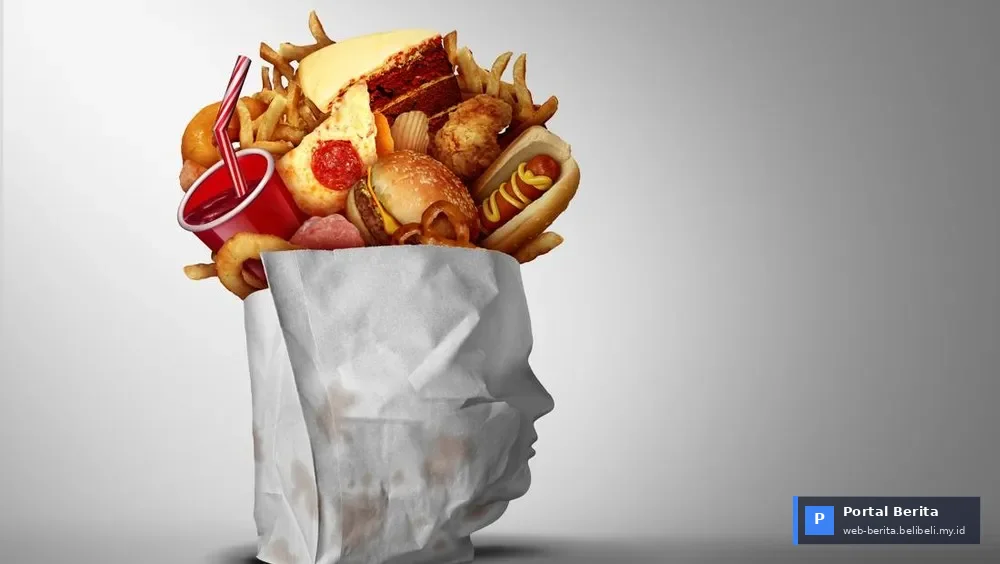
Ultra-processed foods, abundant on supermarket shelves, are often high in hidden sugars, salt, and unhealthy fats. Drastically reducing their consumption will automatically lower your calorie intake and improve your nutritional quality.
5. Master Portion Control
Even if you eat healthy foods, excessive portions can still lead to weight gain. Use smaller plates, pay attention to recommended serving sizes, or pre-portion meals into containers at the start of the week. This is an art that needs to be honed.
6. Quality Sleep is Key
Research in 2026 continues to show a strong link between adequate sleep and a healthy weight. Lack of sleep can disrupt appetite-regulating hormones (ghrelin and leptin), making you feel hungrier and more prone to unhealthy food choices. Aim for 7-9 hours of quality sleep each night.
7. Manage Stress Effectively
The pressures of life in 2026 often trigger emotional eating. Chronic stress increases cortisol levels, a hormone that can trigger fat storage, especially in the abdominal area. Practice relaxation techniques like brief meditation, light yoga, or calming hobbies to keep stress levels in check.
8. Maintain Consistent Meal Times
Eating at regular times each day helps regulate your body's metabolism and prevents extreme hunger that can lead to impulsive food choices. Try not to skip meals, especially breakfast.
9. Choose Smart Snacks
Instead of reaching for chips or candy, plan healthy snacks like fruit, a handful of nuts, or yogurt. Smart snacking can keep your energy levels up and prevent overeating at main meal times. Preparation is everything.
“In 2026, we understand that well-being encompasses more than just gym hours. It's about nurturing your body through intelligent nutrition, adequate rest, and mental calm. These non-exercise dietary shifts are powerful tools for sustainable health,” says Dr. Anya Wijaya, a leading Clinical Nutritionist based in Jakarta. By consistently implementing these strategies, you can achieve your weight loss goals and enjoy a healthier, more energetic lifestyle without sacrificing precious time for intense workouts.
Frequently Asked Questions
Is it truly possible to lose weight without any exercise at all?
Yes, it's entirely possible. Weight loss primarily depends on a caloric deficit, which is 80% determined by your diet. Smart dietary strategies can create this deficit without needing intense physical activity.How long does it typically take to see results with these methods?
Results vary depending on individual consistency and starting point. However, by diligently following these strategies, you can aim for a healthy weight loss of about 0.5 to 1 kg (1-2 pounds) per week, which is a sustainable rate.Are these no-exercise diet methods sustainable long-term?
Yes, precisely because they focus on lifestyle and dietary changes rather than extreme restrictions or excessive exercise, these methods tend to be more sustainable. They help build healthy habits that can be maintained for life.