🔑 Key Takeaways
- Bank Indonesia (BI) successfully recycles 72% of its shredded currency waste into value-added products through a proven circular economy initiative in 2026.
- This innovation creates eco-friendly materials such as high-quality paper raw materials, alternative energy briquettes, and composites for the furniture and construction industries.
- The program demonstrates BI's commitment to sustainability and opens new economic opportunities, aligning with Indonesia's Golden 2045 vision for green growth.
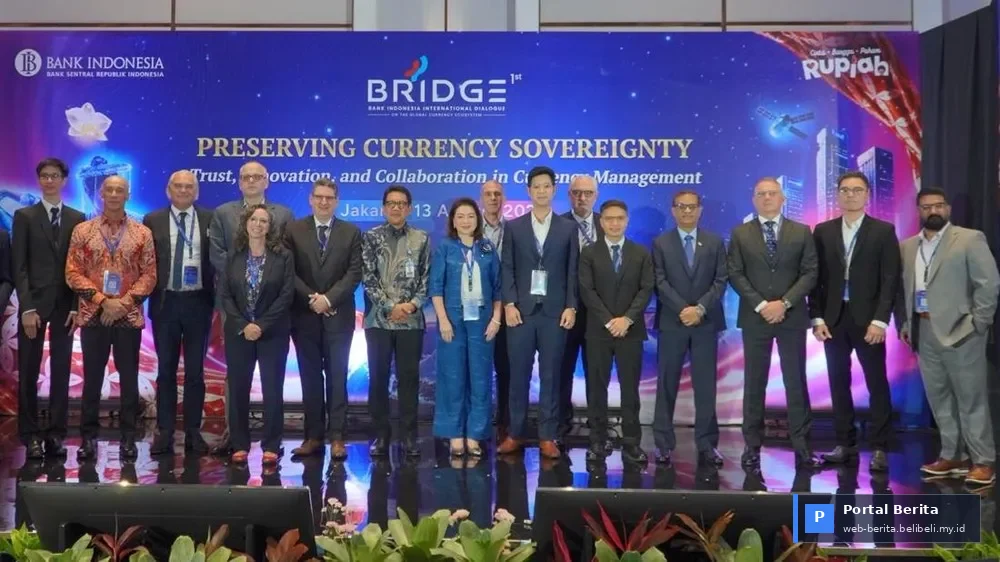
Jakarta, 2026 – Amidst the global buzz of green innovation and sustainability, Bank Indonesia (BI) has once again achieved a significant milestone. As of 2026, BI proudly announces that 72% of its unfit currency notes, removed from circulation, are successfully being transformed into various value-added products through the implementation of a comprehensive circular economy model. This figure marks remarkable progress in waste management efforts and the creation of value from resources previously considered obsolete.
Shredded currency waste, routinely destroyed after becoming unfit for circulation, is now transforming into valuable assets. This initiative not only reduces landfill waste but also supports local industries and lowers the national carbon footprint. BI's strategic move aligns with the government's sustainable development agenda and Indonesia's global commitment to a green economy.
Transforming Waste into New Opportunities
The utilization of 72% of currency waste is not just a number; it reflects a series of innovative processes and multi-stakeholder collaborations. Dr. Aisyah Rahman, a circular economy expert from Gadjah Mada University, commented, “BI’s program is a tangible example of how financial institutions can be drivers of sustainability. It's not just about recycling; it's about building a new, sustainable economic ecosystem, creating jobs, and reducing reliance on primary resources.”
The products derived from recycled currency waste are highly diverse. Some examples include:
- High-Quality Recycled Paper Raw Materials: Used for eco-friendly packaging, notebooks, or other paper products, reducing the need for new tree felling.
- Alternative Energy Briquettes: Shredded currency compacted into biomass briquettes can serve as an alternative energy source for small industries or households, replacing fossil fuels.
- Composites for Construction and Furniture: A mixture of currency fibers with certain resins produces strong, lightweight composite materials, ideal for wall panels, partitions, or even eco-friendly furniture components.
- Compost Fertilizer: For waste that cannot be recycled into solid products, composting processes are utilized to produce organic fertilizer that can be used in the agricultural sector.
Significant Economic and Environmental Impact
Achieving a 72% recycling rate has broad positive implications. Environmentally, it means a significant reduction in landfill waste volume, conservation of natural resources (trees, water, energy), and a decrease in greenhouse gas emissions from new material production processes. Economically, the program creates new value chains, fosters innovation in the recycling sector, and opens opportunities for Micro, Small, and Medium Enterprises (MSMEs) involved in waste processing.
BI also emphasizes the importance of public education in supporting this initiative. “We believe that public awareness about the value of the circular economy is key to long-term success,” said a BI representative. “With support from various parties, we aim to increase the recycling percentage in the coming years, moving closer to a zero-waste target.”
The Future of Sustainable Banking
This BI initiative is part of a larger strategy to integrate sustainability principles into overall banking operations. It's not just about waste management but also encompasses green investments, sustainable financing, and policy development that supports the transition to a low-carbon economy.
In 2026, Bank Indonesia is not only fulfilling its duty to maintain monetary stability but also leading the way in demonstrating that even from 'obsolete money,' new value and significant environmental benefits can be created. This is a clear testament to Indonesia's commitment to a greener, more sustainable future.
❓ Frequently Asked Questions
- How does Bank Indonesia manage currency waste?
- Bank Indonesia manages currency waste through a secure shredding process and then collaborates with certified recycling partners to transform it into value-added products such as paper raw materials, energy briquettes, and composites.
- What products are made from recycled currency waste?
- The resulting products are diverse, including high-quality recycled paper raw materials, alternative energy briquettes, composites for the construction and furniture industries, and compost fertilizer.
- What are the main benefits of BI's currency waste recycling program?
- The main benefits include reducing landfill waste volume, conserving natural resources, decreasing greenhouse gas emissions, creating new economic value, and supporting local recycling industries and MSMEs.