🔑 Key Takeaways
- Kidney disease is often dubbed the 'silent killer' due to its subtle early symptoms, making it a significant global health concern in 2026.
- Be vigilant for 5 key signs: extreme fatigue, body swelling, changes in urination patterns, itchy skin, and muscle cramps.
- Early detection is crucial. Undergo regular check-ups and consult a doctor if you experience persistent symptoms, especially if you have risk factors like diabetes or hypertension.
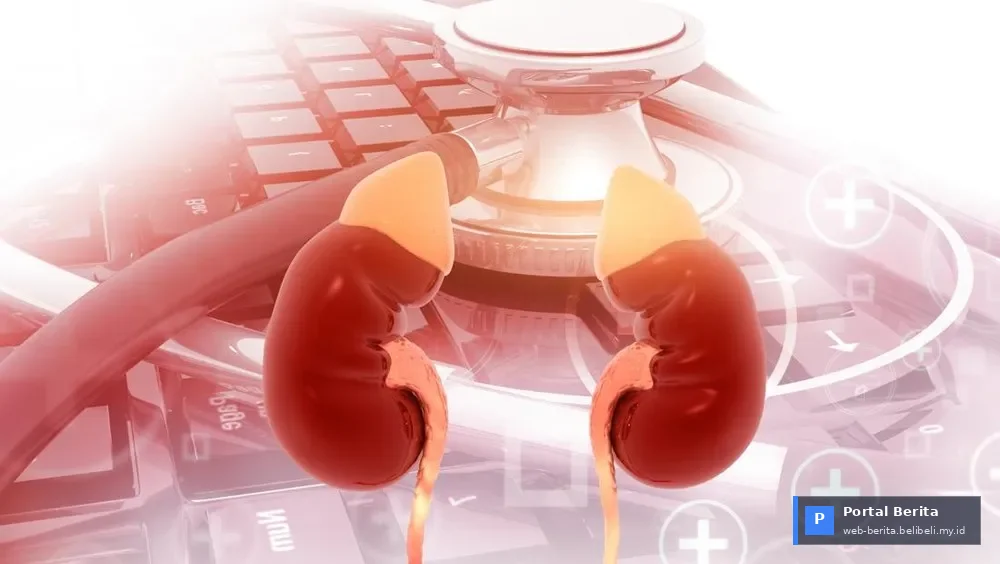
In 2026, preventive health awareness continues to grow, yet one persistent health threat remains: kidney disease. Often dubbed the 'silent killer,' chronic kidney disease (CKD) can progress unnoticed, slowly damaging these vital organs until late stages. Kidneys play a crucial role in filtering waste from the blood, maintaining fluid and electrolyte balance, and producing important hormones. Ignoring early symptoms can have severe consequences.
Dr. Amelia Tanuwijaya, a leading nephrologist in Jakarta, emphasizes the importance of vigilance. "In 2026, with all the advancements in medical technology, we still see too many cases of kidney disease detected too late. This isn't just about diagnosis, but also about education. The public needs to understand that kidneys are resilient, but also vulnerable if not cared for. Recognizing the early signs is the first line of defense," she states.
Extreme Fatigue and Decreased Energy
Feeling tired is common, but extreme and persistent fatigue can be a red flag. Impaired kidneys cannot efficiently filter toxins from the blood, leading to a buildup of waste products that can make you feel weary, weak, and struggle with concentration. Additionally, diseased kidneys produce less erythropoietin, a hormone responsible for red blood cell production. This decrease can lead to anemia, exacerbating fatigue.
Swelling (Edema)
Healthy kidneys efficiently remove excess fluid and sodium from the body. When this function is compromised, fluid can accumulate in various body parts. Pay attention to swelling in your feet, ankles, hands, or even your face. This swelling, known as edema, is a common sign that your kidneys may not be functioning properly.
Changes in Urination Patterns
Changes in the frequency, volume, or appearance of your urine are important indicators. You might feel the need to urinate more often, especially at night (nocturia), or your urine might appear foamy, indicating protein in the urine (proteinuria). Blood in the urine (hematuria) can also be a sign of kidney problems, though it's sometimes not visible to the naked eye.
Itchy, Dry Skin, and Rashes
Malfunctioning kidneys lead to a buildup of toxins in the blood, a condition called uremia. This accumulation of toxins can trigger skin reactions, causing severe itching, unusual dry skin, and even rashes. This itchy sensation often doesn't subside with regular moisturizers and can significantly impair quality of life.
Muscle Cramps and Weakness
Healthy kidneys help maintain the balance of minerals like calcium, phosphorus, and potassium in the body. When kidney function declines, electrolyte imbalances can occur. This can manifest as muscle cramps, especially in the legs, or overall muscle weakness. Decreased calcium and increased phosphorus levels are common causes of these symptoms in individuals with kidney disease.
Identifying these signs in 2026 is no longer just a recommendation; it's a necessity to protect your kidney health. If you experience any of these symptoms persistently, it is crucial to consult a doctor immediately for further diagnosis and management. Early detection is key to slowing the progression of the disease and maintaining a good quality of life.
FAQ: Frequently Asked Questions About Kidney Disease
What are the main risk factors for kidney disease?
Key risk factors include diabetes, high blood pressure (hypertension), a family history of kidney disease, obesity, and older age. Smoking and long-term use of certain medications can also increase risk.
How often should I get my kidney function checked?
For individuals without risk factors, routine checks as part of an annual physical are usually sufficient. However, for those with risk factors, your doctor might recommend more frequent screening, including blood tests (creatinine, GFR) and urine tests (proteinuria).
Can lifestyle changes prevent kidney disease?
Yes, a healthy lifestyle plays a significant role. This includes maintaining a balanced, low-sodium diet, controlling blood pressure and blood sugar, exercising regularly, maintaining an ideal weight, not smoking, and avoiding excessive use of over-the-counter pain relievers without medical advice.