🔑 Key Takeaways
- The Ministry of Manpower (Kemnaker) reported 32,389 layoffs during January-June 2026, signaling significant challenges in the national labor market.
- Manufacturing, conventional retail, and some tech-based industries are identified as the largest contributors to these layoffs, driven by shifting consumer preferences and automation.
- The government is accelerating reskilling programs and providing incentives for labor-intensive industries and Micro, Small, and Medium Enterprises (MSMEs) to absorb affected workers and foster new job creation.
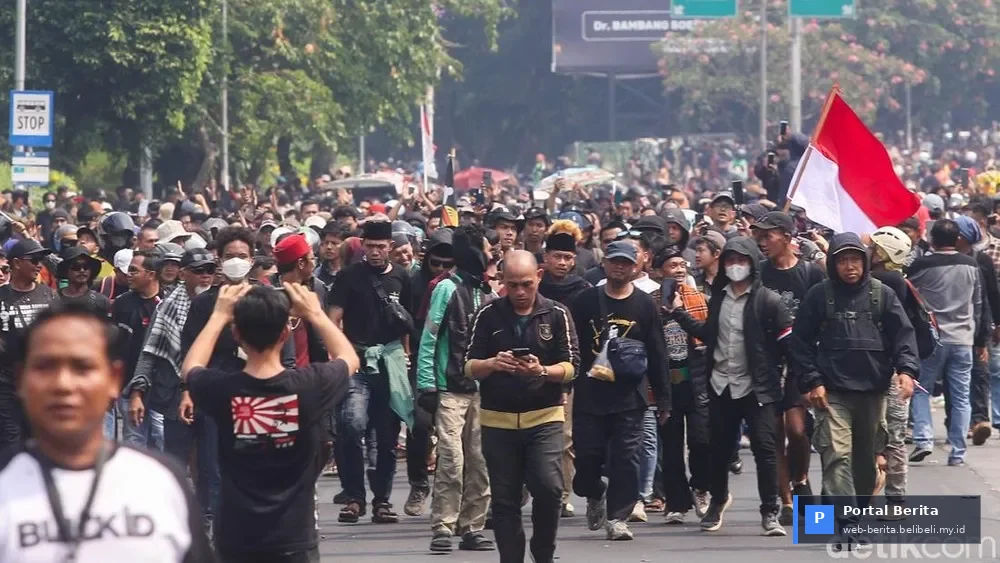
JAKARTA – Indonesia's labor market is once again facing significant pressure. The Ministry of Manpower (Kemnaker) has just released official data showing a concerning number of layoffs. Throughout the period of January to June 2026, a total of 32,389 individuals lost their jobs. This figure has sparked in-depth discussions regarding national economic resilience and the future direction of employment strategies.
The data compiled by Kemnaker serves as an important signal for the government, businesses, and the wider public about the ongoing dynamics. While this number remains below worst-case scenario projections, its impact on households and social stability remains a primary concern.
Drivers of Layoffs: Economic Transformation and Global Volatility
Various factors are believed to be driving the high number of layoffs in the first half of 2026. “We are observing a combination of persistent global economic pressures, an accelerating pace of automation, and fundamental shifts in consumer behavior post-pandemic,” explained Dr. Aisha Rahman, Senior Economist at the Center for Digital Economy Studies. “Sectors that were once stable now must adapt to digital disruption and new business models, or face the risk of layoffs.”
The manufacturing sector, especially labor-intensive and export-oriented industries, has felt a significant impact from slowing global demand and supply chain reconfigurations. Additionally, conventional retail continues to struggle with the dominance of e-commerce, forcing many outlets to reduce operations or close unprofitable business units.
Furthermore, some technology companies, particularly startups facing funding challenges and the need to achieve profitability, are also implementing efficiency measures by reducing staff. This indicates that even sectors considered modern are not immune to restructuring pressures.
Government Response and Mitigation Efforts
In response to this situation, Kemnaker reaffirms its commitment to protecting workers and encouraging job creation. “This data provides a basis for us to further intensify mitigation programs,” stated Ida Fauziyah, Minister of Manpower. “We are focusing on improving the quality of the workforce through reskilling and upskilling programs that are relevant to the needs of Industry 4.0 and the green economy.”
The government also plans to provide further incentives for labor-intensive industries committed to retaining their workforce, as well as supporting the development of Micro, Small, and Medium Enterprises (MSMEs) as the economic backbone with significant potential for absorbing labor. The Pre-Employment Card scheme continues to be refined to provide assistance for those seeking employment or looking to change professions.
Outlook and Future Challenges
Looking ahead to the second half of 2026, Indonesia's job market is expected to continue facing challenges, but with hope for improvement. Investments in strategic sectors such as digital infrastructure, renewable energy, and high-tech manufacturing are anticipated to create new job opportunities. However, the greatest challenge remains aligning the available workforce skills with the evolving needs of industries.
For workers, adaptation and continuous learning are key. “This era demands individuals to be lifelong learners. Adaptive skills, digital literacy, and problem-solving abilities will be highly valued in a dynamic job market,” added Dr. Aisha Rahman. Collaboration among the government, private sector, and educational institutions will be crucial to ensure a smooth transition for Indonesia's workforce.
Frequently Asked Questions (FAQ)
-
Why have there been so many layoffs in the first half of 2026?
These layoffs are driven by several factors, including global economic pressures, rapid automation across various sectors, and shifts in consumer behavior prompting business restructuring, particularly in manufacturing and conventional retail.
-
Which sectors are most affected by these layoffs?
The manufacturing sector (especially labor-intensive and export-oriented), conventional retail, and some technology industries undergoing efficiency phases are reported to be the largest contributors to the layoff figures.
-
What is the government doing to assist affected workers?
The government, through Kemnaker, is intensifying reskilling and upskilling programs, providing incentives for labor-intensive industries, and supporting MSMEs to absorb workers and create new job opportunities.