🔑 Key Takeaways
- Over 3 million residents in 7 provinces are again exposed to forest fire haze in 2026.
- The Ministry of Health has deployed 314 health personnel and reinforced health facilities in red zones.
- The public is urged to proactively monitor for ISPA symptoms and seek immediate medical attention.
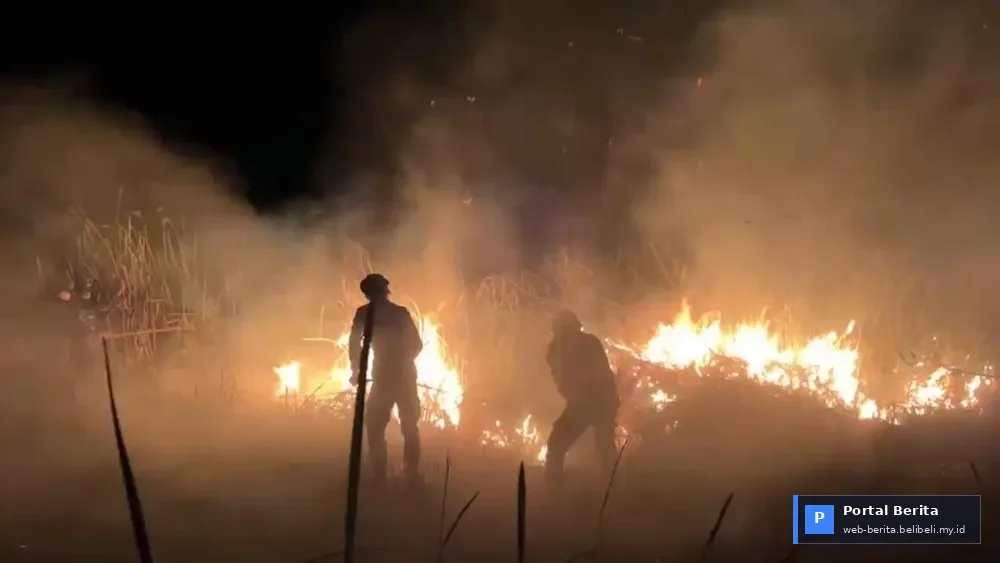
JAKARTA – The public health crisis stemming from forest and land fire (Karhutla) haze is once again haunting Indonesia in 2026. Recent data from the Ministry of Health (Kemenkes) indicates that over 3 million residents across seven provinces nationwide have been directly exposed to deteriorating air quality, raising serious concerns about a surge in Acute Respiratory Infection (ISPA) cases and other health complications.
Health Threat on the Frontlines
Continuous exposure to Karhutla haze not only causes eye and throat irritation but can also trigger serious respiratory problems, especially in vulnerable groups such as children, the elderly, and asthma sufferers. 'We are seeing a significant increase in visits to health facilities with complaints of coughs, shortness of breath, and sore throats in affected areas,' stated Dr. Siti Aminah, Sp.P., Head of Kemenkes’s Health Crisis Center, during a virtual press conference earlier this week. The seven provinces currently in focus include Riau, Jambi, South Sumatra, West Kalimantan, Central Kalimantan, South Kalimantan, and East Kalimantan, where air quality indices frequently reach unhealthy to hazardous categories.
Ministry of Health's Rapid Response
In response to this emergency, the Ministry of Health has activated rapid response protocols and deployed an additional 314 health personnel to various health facilities in the affected provinces. These health workers comprise doctors, nurses, and environmental health specialists ready to provide medical services, education, and distribute N95 masks to the public. 'We have strengthened our medical teams on the ground and ensured sufficient supplies of essential medicines and equipment,' said Mr. Budi Santoso, Director-General of Disease Prevention and Control (P2P) at Kemenkes. 'Furthermore, we urge the public to immediately visit the nearest health facility if they experience ISPA symptoms such as persistent cough, fever, shortness of breath, or chest pain. Do not delay, as early detection and prompt treatment are crucial.'
Prevention and Long-term Strategy
Beyond medical treatment, Kemenkes also continues to educate the public on preventative measures. These include reducing outdoor activities when air quality index is poor, using appropriate masks, staying hydrated, and consuming nutritious food to boost immunity. In the long term, the government, through various related ministries and agencies, continues to strengthen early warning systems, enhance hotspot monitoring, and tighten law enforcement against perpetrators of land burning. 'Prevention is key. Cross-sector collaboration and active public participation are the foundation for sustainably addressing the Karhutla issue,' added Dr. Aminah, emphasizing the importance of each individual's role in mitigating the impact of haze.
Frequently Asked Questions
- Q: What ISPA symptoms should be watched for due to smoke exposure?
A: Common symptoms include coughing, runny nose, sore throat, shortness of breath, chest pain, and fever. - Q: What type of mask is most effective in protecting against Karhutla smoke?
A: N95 or KN95 masks are recommended as they can filter harmful PM2.5 fine particles. - Q: Which provinces are most affected by Karhutla in 2026?
A: Riau, Jambi, South Sumatra, West Kalimantan, Central Kalimantan, South Kalimantan, and East Kalimantan are primary areas of concern.