🔑 Key Takeaways
- Indonesia's rail network served 258 million passengers in H1 2026, reflecting robust national mobility.
- This record ridership underscores successful long-term infrastructure investments and strong economic activity.
- The surge in train usage signifies growing public trust in modern, integrated public transportation systems.
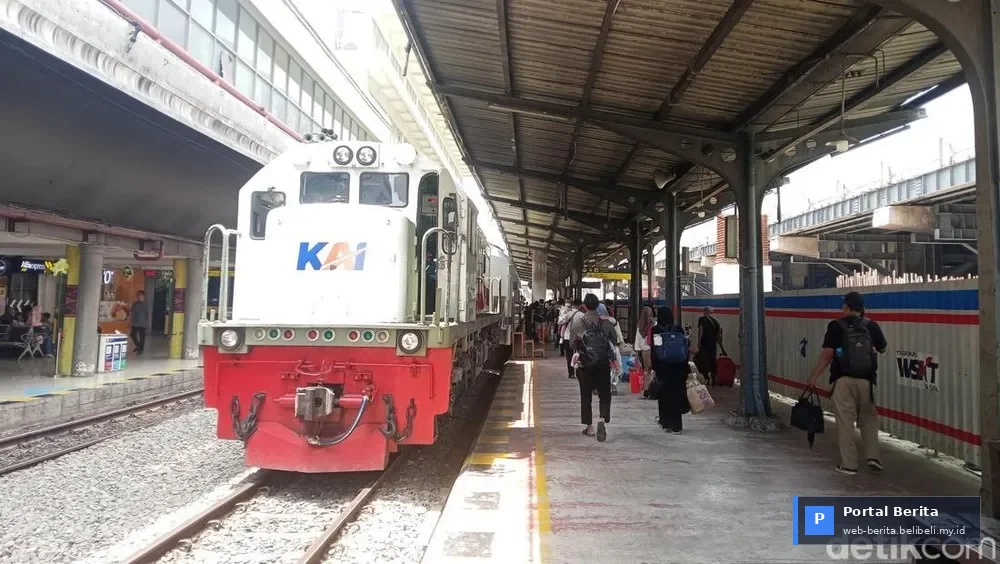
JAKARTA – Indonesia's railway sector has achieved a monumental milestone in the first half of 2026, with a staggering 258 million passengers utilizing train services across the archipelago. This remarkable figure not only marks a new record in the nation's railway history but also serves as a potent indicator of economic recovery, successful infrastructure investment, and a palpable shift in public preference towards more efficient and sustainable modes of transportation.
The significant increase in passenger numbers provides a substantial boost to economic growth across various sectors, from tourism to local commerce, while strengthening inter-regional connectivity vital for national development.
A Milestone for National Mobility
The achievement of 258 million passengers in the initial six months of 2026 demonstrates that rail has firmly established itself as a backbone of mobility for millions of Indonesians. This surpasses historical trends and highlights the success of government programs in modernizing and expanding the railway network. The surge also reflects growing public confidence in the safety, comfort, and punctuality of train services.
'This surge in ridership is a clear indicator of a healthy economy and effective urban planning,' commented Dr. Angga Wirawan, an economist specializing in infrastructure at the University of Indonesia. 'It shows that public investment in modernizing our rail network is yielding tangible returns, reducing traffic congestion, boosting local economies around stations, and fostering inter-city trade.'
Driving Economic Vitality and Urban Development
The impact of this record ridership is felt across the economic spectrum. Enhanced mobility fuels the growth of the tourism sector, with more domestic and international travelers opting for trains to explore various destinations. On the other hand, increased commuter activity has stimulated the growth of small and medium-sized enterprises (SMEs) around stations, creating jobs and encouraging consumption.
Furthermore, improved rail connectivity has reduced logistics costs for businesses, expedited the movement of goods, and eased labor access to economic centers. This directly contributes to increased national productivity and economic competitiveness.
Strategic Investments Paying Off
This success is no mere coincidence. It is the culmination of long-term strategic investments by both the government and the railway operator, PT Kereta Api Indonesia (Persero), in upgrading infrastructure, technology, and services. Projects such as double-tracking, electrification, station improvements, and integration with other urban transportation systems have transformed the landscape of Indonesian railways.
Additionally, the adoption of digital technologies for ticket purchasing and travel information has significantly enhanced the passenger experience, making it more convenient and efficient. 'We are immensely proud of this achievement, which reflects our unwavering commitment to providing safe, comfortable, and efficient transportation,' stated a spokesperson for PT Kereta Api Indonesia (Persero). 'The integration of digital ticketing and improved service punctuality has been pivotal in regaining and building public confidence.'
The Road Ahead: Sustainable Growth and Further Expansion
With this robust momentum, the future of Indonesia's railways looks promising. The government and operators have outlined plans to continue investing in network expansion, including developing new lines to underserved regions, increasing capacity on congested routes, and further developing high-speed rail. The focus will also remain on sustainability aspects, with efforts to reduce carbon footprints and promote environmentally friendly mass transit.
The achievement of 258 million passengers in the first half of 2026 is strong evidence that Indonesia is on the right track to building a world-class railway system that not only serves the mobility needs of its people but also significantly supports the nation's economic development and sustainability agenda.
Frequently Asked Questions
Q: What are the main factors behind the record railway ridership in H1 2026?
A: Key factors include significant infrastructure investments, enhanced service quality (safety, comfort, punctuality), digital integration for ticketing, and overall economic growth and urban development driving mobility.
Q: How does this surge in passenger numbers impact Indonesia's economy?
A: The surge provides a substantial boost to the economy by enhancing the tourism sector, stimulating SMEs around stations, creating jobs, reducing logistics costs for businesses, and improving connectivity supporting trade.
Q: What are the future plans for Indonesia's railway network development?
A: Future plans involve expanding the network to new regions, increasing capacity on busy routes, further developing high-speed rail, and a continued focus on sustainability and integration with other transportation systems.