🔑 Key Takeaways
- PT Kereta Api Indonesia (Persero) recorded 14,890 lost items, valued at a total of Rp 10.8 billion, found on trains and in stations between January and July 2026.
- Mobile phones, wallets, and laptops frequently top the list of recovered items, highlighting passenger distractions amidst busy travel.
- KAI is continuously enhancing its lost and found systems, including customer service centers and awareness campaigns, focusing on prevention and simplified claims.
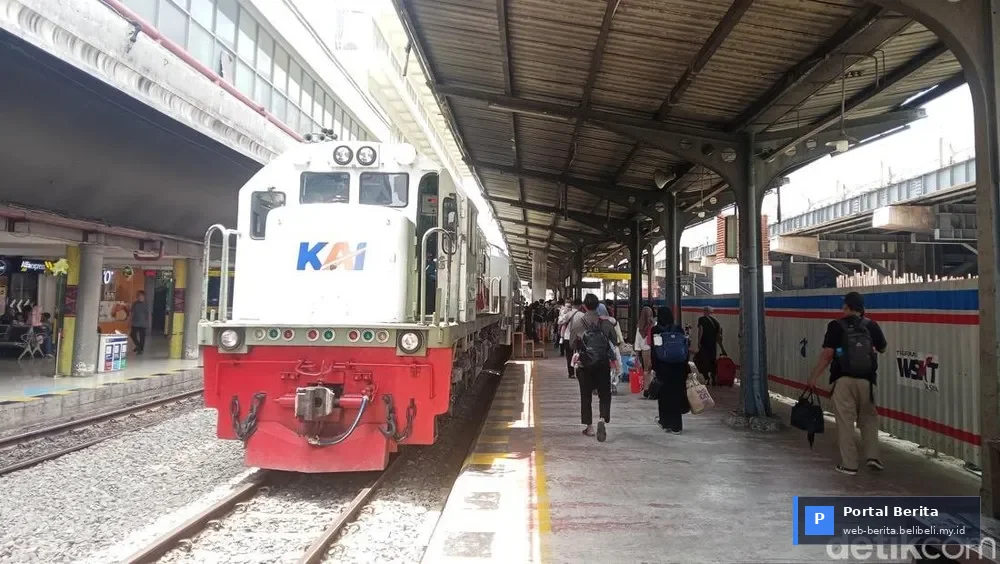
JAKARTA, August 15, 2026 – The high mobility of Indonesian citizens choosing rail transportation reveals a unique phenomenon: thousands of valuable items are frequently left behind on train carriages and in stations. PT Kereta Api Indonesia (Persero), or KAI, has disclosed surprising data. By the end of July 2026, KAI had recovered a staggering 14,890 lost items across its various operational areas. This figure isn't just a number; it represents a phenomenal total value, reaching Rp 10.8 billion (approximately USD 690,000).
This data highlights an ongoing challenge for KAI in managing and returning valuable belongings left behind by passengers. From electronic gadgets to important documents, each item has its own story, often involving initial panic followed by immense relief upon recovery.
The Phenomenon of Lost Items: What Are the Triggers?
The 14,890 items recorded in the first seven months of 2026 indicate increasing passenger traffic and, perhaps, a degree of associated oversight. “The main factors are often hurrying, mobile phone distractions, or fatigue after long journeys,” explained Joni Martinus, KAI's Vice President of Public Relations, when contacted. “We observe a pattern where small yet crucial items like mobile phones, wallets, and keys are most frequently left behind. Laptops and backpacks also appear quite often on our discovery list.”
Transportation observer Dr. Rahardjo Suroso from the National University of Transportation added that this phenomenon is common in any high-volume public transportation system. “Time pressure, transitions between modes, and monotonous routines often lead passengers to forget their belongings,” he stated. “KAI, with its extensive network and millions of passengers monthly, naturally faces this challenge.”
KAI's Efforts in Managing Found Items
KAI has implemented strict standard operating procedures (SOPs) for handling found items. Every item discovered by KAI personnel, whether inside trains or within station premises, is meticulously recorded and secured at the nearest security post or customer service office. A digital data entry system enables rapid identification and proactive attempts to contact owners if contact information is available.
“We are continuously striving to improve the efficiency of the return process,” Joni noted. “Passengers who believe they've lost an item can immediately report it to staff at their destination station or the nearest station. Information can also be accessed via the KAI Access application or customer service contact 121. The quicker a report is made, the greater the chance the item will be found and returned.”
KAI also frequently conducts educational campaigns through social media and station announcements, reminding passengers to always double-check their belongings before disembarking. Initiatives like 'Ayo Cek Barangmu!' (Let's Check Your Items!) aim to instill the habit of re-checking baggage and personal items.
Lessons for Passengers and KAI's Future
The sheer volume of lost items, amounting to billions of rupiah, serves as a crucial reminder for every passenger to exercise greater caution. Losing belongings not only entails financial loss but can also lead to unnecessary time loss and administrative hassles.
“We appreciate KAI's hard work in managing these found items,” said Puspita Sari, a regular passenger who once lost her passport on a train. “I was incredibly relieved my passport was found and I could retrieve it quickly. The existing system really helps.”
Moving forward, KAI plans to further strengthen its infrastructure and digital systems to streamline the identification and return process for lost property. Technological innovations, such as the use of IoT (Internet of Things) for tracking specific baggage, might become part of a long-term strategy, though still in the exploration phase.
As a leading public transportation service provider, KAI's commitment to passenger safety and comfort extends beyond the journey itself, encompassing post-travel services to ensure every passenger can travel with peace of mind, even if a minor oversight occurs along the way.
Frequently Asked Questions
Q: What should I do if I lose an item on a KAI train or station?
A: Immediately report it to KAI staff at your destination or nearest station, or contact KAI's customer service center at 121. Provide details of the item, time, and your travel route.
Q: What types of items are most commonly found by KAI?
A: The most frequently found items include mobile phones, wallets, keys, laptops, and backpacks, indicating that essential and personal items are more often left behind.
Q: How long does it typically take for KAI to return lost items?
A: Return times vary depending on when the report is made and how quickly the item is found and identified. KAI strives to return items as quickly as possible after verification.