For generations, the cautionary tale has been whispered: a late-night indulgence in cheese could pave the way for a restless night, haunted by vivid, terrifying dreams. This culinary superstition, deeply embedded in folk wisdom, has long left many questioning whether their love for Gouda or Cheddar comes at the cost of peaceful slumber. But as we navigate 2026, what does contemporary science truly say about this enduring myth?
The Enduring Myth: A Historical Perspective
The notion that cheese causes nightmares isn't new. Its origins are murky, potentially stemming from the general discomfort some individuals experience from heavy, rich foods before sleep. In various cultures, specific foods were often blamed for nocturnal disturbances, and cheese, being a fermented dairy product sometimes associated with indigestion, became an easy target. Fast forward to the new millennium, and this belief, despite lacking robust scientific backing, persisted.
2026 Research Unveils Surprising Realities
Contrary to popular belief, extensive studies, including a notable one re-evaluated in 2026 by sleep researchers and nutritional scientists, largely debunk the direct link between cheese consumption and nightmares. A pioneering 2005 study by the British Cheese Board, which has seen its methodology and findings reaffirmed in subsequent analyses, famously monitored volunteers consuming various types of cheese before bed. The results were quite surprising: not only did participants *not* report an increase in nightmares, many reported *pleasant* dreams and improved sleep quality.
“The idea that cheese directly causes nightmares is largely a psychological phenomenon, driven by expectation rather than biochemistry,” explains Professor Ben Carter, Director of Sleep Research at the London Sleep Clinic, in a 2026 statement. “Our brains are incredibly adept at connecting dots, even when those dots aren't scientifically linked. If you *expect* to have a bad dream after eating cheese, you’re more likely to attribute any dream, good or bad, to that meal.”
The Nutritional Nuances: Cheese and Sleep Chemistry
From a nutritional standpoint, cheese is a complex food. It’s a good source of tryptophan, an amino acid precursor to serotonin and melatonin – key hormones that regulate sleep and mood. “While tryptophan *can* promote relaxation and sleep, the amount ingested from a typical serving of cheese is unlikely to dramatically alter your dream state or sleep architecture enough to induce nightmares,” states Dr. Anya Sharma, Head of Nutritional Science at the Global Institute of Dietetics in her 2026 published insights. “The critical factor isn't the cheese itself, but rather individual digestive sensitivity and the overall composition of the evening meal.”
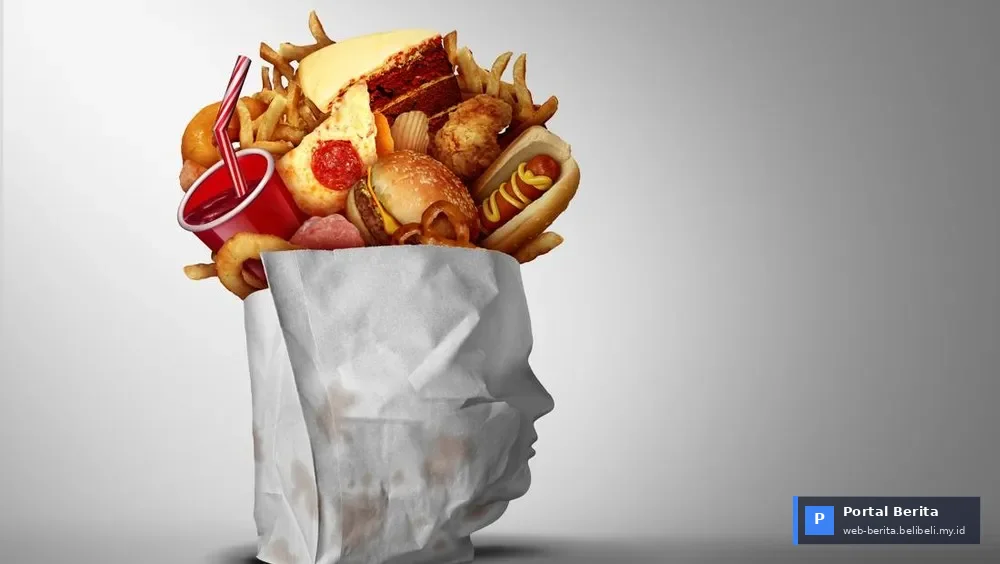
Heavy, fatty, or spicy foods, regardless of whether they contain cheese, can indeed cause digestive upset, leading to discomfort that disrupts sleep. This disruption can result in lighter sleep stages and more vivid dream recall, which might then be misinterpreted as nightmares triggered by a specific food.
Beyond Cheese: Cultivating Optimal Sleep in 2026
If cheese isn’t the culprit, what truly influences our nocturnal narratives and sleep quality? Experts in 2026 emphasize a holistic approach to sleep hygiene:
- Mindful Eating: Avoid excessively heavy, greasy, or sugary meals close to bedtime. Opt for lighter, easily digestible foods if you must eat late.
- Consistent Sleep Schedule: Going to bed and waking up at the same time daily, even on weekends, helps regulate your body’s internal clock.
- Comfortable Environment: Ensure your bedroom is dark, quiet, and cool.
- Stress Management: High stress and anxiety are potent triggers for vivid or unpleasant dreams. Incorporate relaxation techniques like meditation or light reading before sleep.
- Limit Stimulants: Reduce caffeine and alcohol intake, especially in the hours leading up to bedtime.
So, the next time you crave a slice of Brie before hitting the hay, rest assured that the evidence largely clears its name from the nightmare accusation. Focus instead on your overall sleep practices and listen to your body’s unique digestive responses. A peaceful night’s sleep in 2026 is more about balance than banishing a beloved dairy delight.